Decoding Pain Behavior: Top 2026 Canine Osteoarthritis Treatments
Learn to decode subtle pain behaviors caused by canine osteoarthritis and explore the most effective, vet-approved treatment protocols available in 2026.
The Psychology of Canine Pain: Why Dogs Hide Osteoarthritis
To truly understand your dog, you must first understand their evolutionary psychology. In the wild, displaying weakness or injury makes a canine a target for predators or a liability to the pack. Because of this deeply ingrained survival instinct, modern domestic dogs are masters of disguise when it comes to chronic pain. Canine osteoarthritis (OA) is a degenerative joint disease that affects an estimated 80% of dogs over the age of eight, yet it is rarely announced with whimpers or cries. Instead, the pain manifests as profound behavioral shifts.
As we navigate veterinary care in 2026, the paradigm has shifted. We no longer view osteoarthritis solely as a mechanical issue of wearing cartilage; we understand it as a chronic neurological and psychological stressor. When a dog is in constant, low-grade pain, their threshold for environmental stress plummets. This leads to what many owners misinterpret as 'grumpy old dog syndrome,' cognitive decline, or sudden disobedience. Recognizing these behavioral cues is the critical first step toward implementing the advanced, multimodal osteoarthritis treatments available today.
Decoding the Subtle Behavioral Signs of Joint Pain
Before exploring the 2026 treatment landscape, it is vital to audit your dog's daily behavior. According to the WSAVA Global Pain Council, chronic pain alters a dog's activity patterns, social interactions, and sleep architecture. Below is a breakdown of how osteoarthritis translates into confusing behavioral changes.
| Behavioral Shift | Owner Misinterpretation | Osteoarthritis Reality |
|---|---|---|
| Reluctance to jump into the car or onto the bed | 'They are just slowing down due to age.' | Acute anticipation of impact pain in the hips or shoulders. |
| House soiling or indoor accidents | 'They are forgetting their potty training.' | Pain makes navigating stairs or slippery floors to the outdoors too difficult. |
| Aggression or snapping when petted | 'They are becoming mean or territorial.' | Defensive reflex due to localized joint tenderness or nerve compression. |
| Pacing, panting, or restlessness at night | 'They have canine cognitive dysfunction (dementia).' | Inability to find a comfortable resting position due to joint stiffness. |
| Lagging behind on walks or refusing to walk | 'They are being stubborn or lazy.' | Muscle fatigue and joint inflammation causing 'wind-up' pain. |
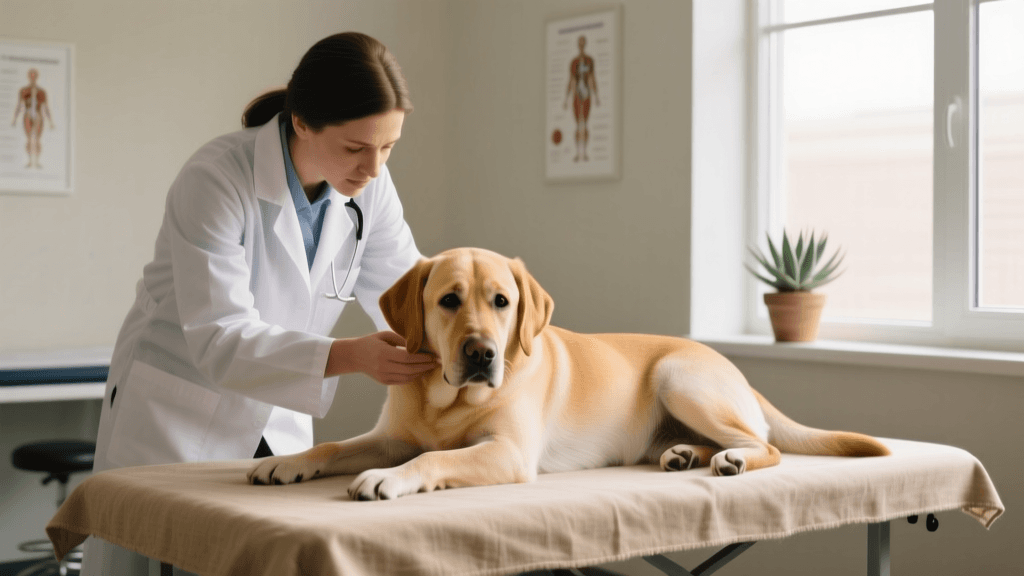
If your dog exhibits any of these behavioral shifts, a veterinary orthopedic evaluation is essential. Once diagnosed, the 2026 standard of care offers remarkable options to restore both your dog's physical comfort and their true personality.
The 2026 Gold Standard for Canine Osteoarthritis Treatment
The veterinary community has moved far beyond simply prescribing generic painkillers until the dog's organs show signs of strain. Today, the focus is on targeted, disease-modifying, and nerve-calming therapies. The AAHA Pain Management Guidelines emphasize a multimodal approach, combining pharmaceuticals, environmental modifications, and physical rehabilitation.
1. Anti-NGF Monoclonal Antibodies (The Game Changer)
The most significant breakthrough in recent years, which has become the frontline standard of care in 2026, is the use of anti-Nerve Growth Factor (anti-NGF) monoclonal antibodies, specifically bedinvetmab (Librela) for dogs. Unlike traditional NSAIDs that process through the liver and kidneys, Librela is a biologic therapy that works directly on the nervous system to block the NGF protein responsible for transmitting pain signals from damaged joints to the brain.
- Behavioral Impact: Owners frequently report a 'puppy-like' return in their dog's behavior within 14 to 30 days of the first injection. Dogs resume playing, greeting owners at the door, and sleeping soundly through the night.
- Safety Profile: Because it is not metabolized by the liver or kidneys, it is exceptionally safe for senior dogs with concurrent renal or hepatic issues.
- 2026 Cost Estimate: Depending on the dog's weight class, monthly injections typically range from $60 to $130, administered at the clinic or by a mobile vet.
2. Targeted NSAIDs (EP4 Receptor Antagonists)
For dogs that require additional anti-inflammatory support, or for those who do not fully respond to anti-NGF therapy alone, targeted NSAIDs like grapiprant (Galliprant) are heavily utilized. Rather than blocking all COX enzymes (which protect the stomach lining and kidney blood flow), grapiprant specifically targets the EP4 prostaglandin receptor, which is the primary mediator of OA pain and inflammation. This makes it a much safer long-term daily option in 2026 compared to older generation NSAIDs like carprofen or meloxicam.
3. Neuropathic Pain Modulators
Chronic osteoarthritis often leads to central sensitization, a condition where the spinal cord becomes hyper-reactive to pain signals—a phenomenon known as 'wind-up pain.' To combat this neurological shift, veterinarians frequently prescribe gabapentin or amantadine. Gabapentin calms the overactive nerves and is particularly useful for nighttime restlessness, while amantadine helps 'reset' the brain's pain receptors, making other pain medications more effective.
Environmental and Behavioral Modifications
Medical management must be paired with environmental empathy. Understanding your dog means recognizing how their physical space impacts their psychological well-being. A dog with OA is experiencing a loss of agency; they can no longer access their favorite spots, which leads to frustration and depression.
Restoring Agency Through Accessibility
- Orthopedic Support: Invest in high-density, cooling-gel memory foam beds. In 2026, therapeutic beds with bolstered edges provide crucial spinal alignment and joint off-loading, allowing the dog to achieve deep REM sleep without waking from pressure-point pain.
- Ramps and Stairs: Use foam-based, high-traction pet stairs for couches and beds. For vehicles, utilize telescoping aluminum ramps with side-rails to prevent lateral joint strain during ascent and descent.
- Flooring Traction: Slippery hardwood or tile floors force a dog to engage their core and hip stabilizers constantly, leading to micro-tears and exhaustion. Lay down interlocking foam mats or specialized pet-traction rugs in high-traffic corridors.
Cognitive Enrichment for the Physically Limited Dog
When physical exercise is restricted to short, leash-led sniffaris, a dog's mental energy can turn into destructive or anxious behavior. You must replace physical exhaustion with mental fatigue.
- Scent Work: Hide low-calorie treats or favorite toys around the house. Sniffing lowers a dog's heart rate and releases dopamine, providing immense psychological satisfaction without joint impact.
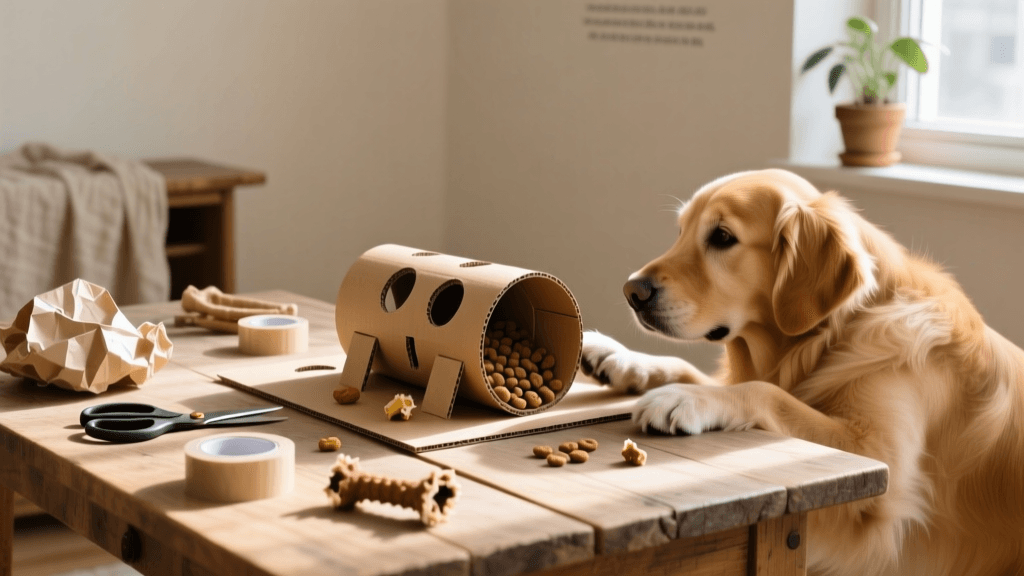
- Lick Mats and Snuffle Boxes: These tools encourage foraging behaviors, keeping the dog's mind engaged and providing a natural, soothing endorphin release that aids in pain management.
Nutritional and Adjunct Therapies
Weight management remains the single most effective non-pharmaceutical intervention for canine OA. Every extra pound of body weight places up to four pounds of mechanical stress on compromised joints. Transitioning to a prescription joint-support diet, which is formulated with reduced caloric density and elevated levels of EPA/DHA omega-3 fatty acids, is crucial.
Furthermore, the 2026 supplement market is heavily focused on Undenatured Type II Collagen (UC-II) and Green-Lipped Mussel Extract. UC-II works via oral tolerance, interacting with the immune system in the gut to reduce the autoimmune attack on joint cartilage, while Green-Lipped Mussel provides a natural, potent source of glycosaminoglycans (GAGs) to support synovial fluid viscosity.
Conclusion: Empathy Through Understanding
Canine osteoarthritis is not merely a physical deterioration; it is a profound psychological burden that alters how your dog interacts with the world. By learning to decode the subtle behavioral whispers of joint pain—rather than waiting for the loud cries of severe discomfort—you can intervene early. With the advanced, targeted treatments available in 2026, from anti-NGF biologics to environmental enrichment strategies, we can effectively silence the pain and give our senior companions the joyful, comfortable twilight years they deserve. For more detailed information on recognizing joint issues, the American Kennel Club offers excellent breed-specific resources to help you monitor your dog's lifelong orthopedic health.
marcus-aldridge
All our authors care for dogs every day — read more of their work on the authors page.