Understanding Joint Pain Behavior: 2026 Dog Supplements
Learn how joint pain alters canine behavior and body language. Discover the best joint supplements for dogs in 2026 to restore comfort and mobility.
The Hidden Link Between Joint Pain and Canine Behavior
As we navigate the landscape of advanced canine care in 2026, veterinary behaviorists and orthopedic specialists increasingly recognize a profound truth: what owners often label as stubbornness, unexplained aggression, or cognitive aging is frequently rooted in undiagnosed orthopedic discomfort. Dogs are evolutionarily hardwired to mask pain, a survival instinct inherited from their wild ancestors. However, chronic joint discomfort inevitably leaks into their daily behavior, altering their psychology, body language, and social interactions.
Understanding your dog requires looking past obvious limping and tuning into the subtle micro-expressions and behavioral shifts that signal underlying distress. According to the WSAVA Global Pain Council, chronic pain in dogs fundamentally alters their neurochemistry, leading to a state of constant physiological stress. This stress depletes a dog's emotional reserves, making them more reactive, less tolerant of handling, and increasingly withdrawn. In 2026, the most effective approach to managing these behavioral shifts involves a dual strategy: decoding the subtle body language of joint pain and deploying targeted, next-generation joint supplements to restore comfort from the inside out.
Decoding the Body Language of Joint Discomfort
Because dogs cannot vocalize the dull, aching throb of osteoarthritis or hip dysplasia, they communicate their discomfort through a complex vocabulary of body language. Recognizing these signals is the cornerstone of understanding your dog's true emotional and physical state.
- Weight Shifting and Stance Alterations: A dog with early-stage joint discomfort will often shift their weight away from the affected limb while standing. You may notice a 'hunched' back or a reluctance to sit squarely, opting instead for a 'sloppy sit' with one hip kicked out to the side to avoid flexing the joint.
- Facial Tension and the Canine Grimace Scale: Chronic pain manifests in the face. Look for orbital tightening (squinting), flattened ears, and increased lip licking or yawning when asked to perform a physical task like climbing stairs or jumping into the car.
- Changes in Greeting Rituals: A dog that once greeted you with full-body wiggles and jumps may now offer a subdued tail wag from their bed. This is not necessarily a sign of depression or aging, but a calculated behavioral adaptation to avoid the sharp pain of sudden impact.
- Reluctance to Engage in Learned Behaviors: If your dog suddenly becomes 'stubborn' about entering their crate, jumping onto the grooming table, or walking on slippery floors, they are not being defiant. They are exhibiting avoidance behavior based on the anticipation of joint pain.
The Psychology of Pain: Why Good Dogs Act Out
Chronic pain is not merely a physical sensation; it is a profound psychological stressor. The AAHA Pain Management Guidelines emphasize that persistent pain leads to central sensitization, a condition where the central nervous system becomes hyper-reactive. For a dog, this means that a gentle pat on the hip or being brushed near the hindquarters can trigger a disproportionate pain response, resulting in snapping or growling.
Furthermore, pain disrupts canine sleep architecture. Dogs with joint pain often suffer from fragmented sleep because they cannot find a comfortable position or experience sharp twinges when rolling over. Sleep deprivation in dogs, much like in humans, leads to irritability, decreased impulse control, and a lower threshold for environmental stressors. A dog that is suddenly barking excessively at the mail carrier or exhibiting resource guarding over their food bowl may actually be suffering from the psychological exhaustion brought on by chronic joint inflammation.
2026 Joint Supplement Ingredients: What Actually Works?
The joint supplement market has evolved dramatically. In 2026, veterinary nutritionists have moved beyond basic, low-absorption glucosamine chews, focusing instead on targeted therapies that modulate the immune system and actively protect cartilage matrices. When selecting a supplement to alleviate your dog's pain behavior, look for these clinically backed, next-generation ingredients:
UC-II Undenatured Type II Collagen
Unlike traditional collagen peptides, UC-II works through a mechanism called oral tolerance. When ingested, it interacts with the gut-associated lymphoid tissue (GALT) to signal the immune system to stop attacking the cartilage in the joints. This targeted immune modulation drastically reduces joint inflammation, often leading to noticeable improvements in a dog's willingness to play and exercise within just a few weeks.
Green-Lipped Mussel Extract (Perna canaliculus)
Sustainably harvested and cold-processed, New Zealand Green-Lipped Mussel is a powerhouse of unique Omega-3 fatty acids, specifically eicosatetraenoic acid (ETA). ETA works on a dual pathway to inhibit both cyclooxygenase (COX) and lipoxygenase (LOX) enzymes, providing profound anti-inflammatory relief without the gastrointestinal side effects associated with traditional NSAIDs. Dogs supplemented with high-quality ETA often show a return of their 'puppy-like' enthusiasm and a reduction in morning stiffness.
Bioavailable Curcumin Phytosomes
While turmeric has long been used in holistic care, raw curcumin has notoriously poor bioavailability. The 2026 standard for joint supplements utilizes phytosome technology, binding curcumin to phosphatidylcholine. This allows the potent anti-inflammatory compound to cross the intestinal barrier effectively, neutralizing free radicals in the synovial fluid and reducing the oxidative stress that contributes to joint degradation and pain-induced lethargy.
Hyaluronic Acid (High Molecular Weight)
Hyaluronic acid is a primary component of synovial fluid, the thick liquid that lubricates joints. Oral supplementation with high molecular weight hyaluronic acid has been shown to improve joint viscosity, reducing the bone-on-bone friction that causes the sharp, sudden pain responsible for a dog's reluctance to jump or run.
Comparing Top 2026 Joint Support Formulations
Choosing the right supplement depends on your dog's specific behavioral symptoms and the stage of their joint degradation. Below is a comparison of the primary active ingredients dominating the 2026 veterinary market:
| Active Ingredient | Primary Mechanism | Behavioral Impact Timeline | Ideal Canine Profile |
|---|---|---|---|
| UC-II Collagen | Immune modulation via oral tolerance | 30 to 45 days | Dogs with autoimmune-mediated joint degradation or early-onset stiffness |
| Green-Lipped Mussel | Dual COX/LOX enzyme inhibition | 21 to 30 days | Active dogs showing reluctance to run, jump, or engage in high-impact play |
| Curcumin Phytosome | Potent antioxidant and anti-inflammatory | 14 to 21 days | Senior dogs with generalized inflammation, irritability, and sleep disruption |
| High-MW Hyaluronic Acid | Synovial fluid viscosity enhancement | 30 to 60 days | Dogs exhibiting 'sloppy sits' and audible joint crepitus (clicking/popping) |
Tracking Behavioral Improvements Post-Supplementation
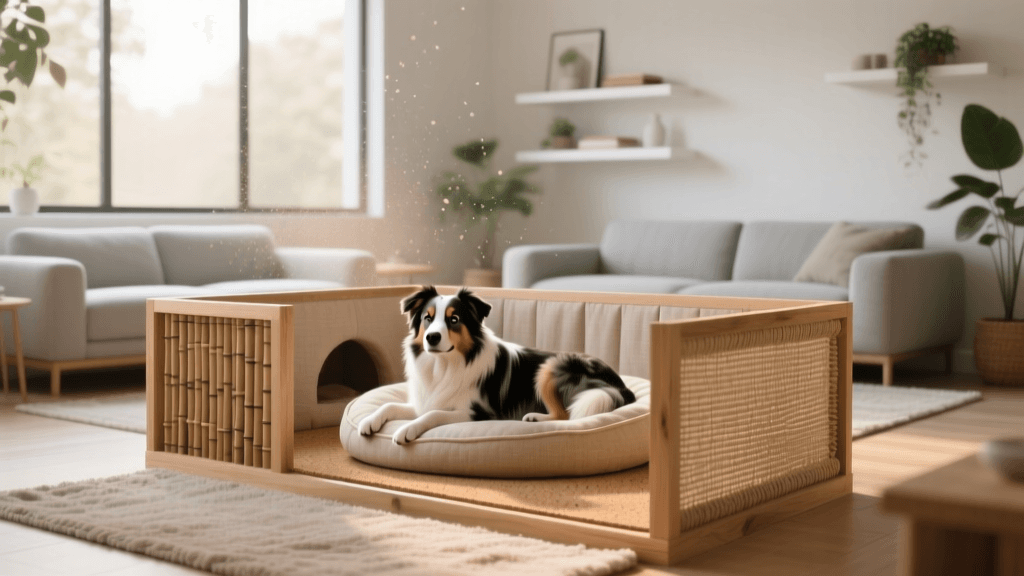
The American College of Veterinary Surgeons notes that multimodal management is the gold standard for canine osteoarthritis. Supplements are most effective when paired with environmental modifications, such as providing orthopedic memory foam beds and using traction mats on slippery hardwood floors.
To truly understand if a joint supplement is working, you must conduct a behavioral baseline audit before starting the regimen. Track specific, measurable behaviors: How many times does your dog voluntarily initiate play? How easily do they transition from a lying to a standing position? Do they still exhibit the 'whale eye' or lip licking when you reach toward their hindquarters?
Reassess these behavioral markers at the 30-day and 60-day intervals. A successful joint supplement protocol will not just result in a wider stride; it will result in a brighter, more engaged, and psychologically relaxed dog. By learning to read the subtle language of canine pain and leveraging the advanced nutritional science of 2026, you can give your companion the gift of pain-free movement and restore the joyful bond you share.
priya-sutaria
All our authors care for dogs every day — read more of their work on the authors page.