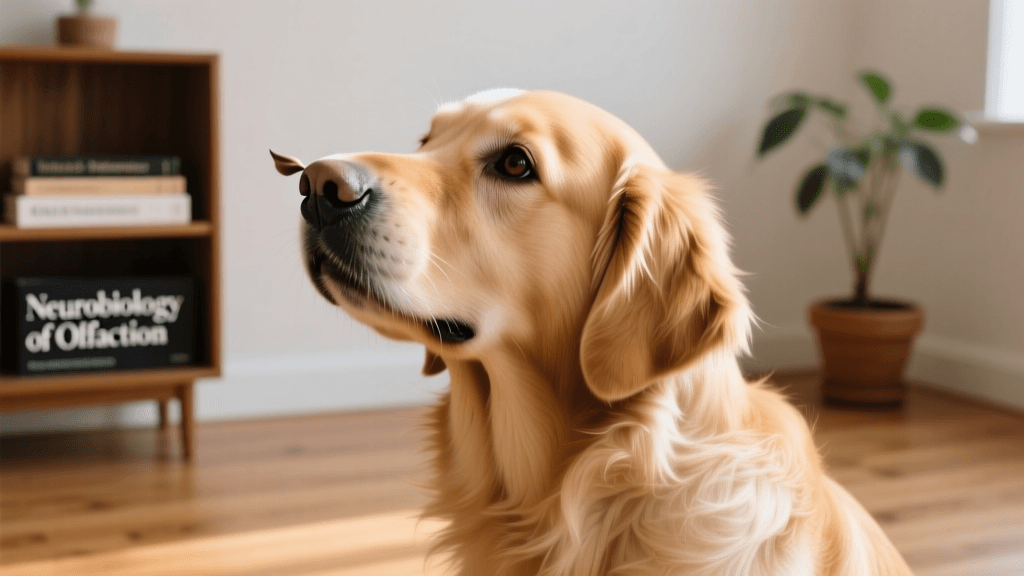
Decoding Dog Anxiety With Smart Cameras And Trackers
Discover how smart cameras and GPS trackers help decode your dog's separation anxiety and boredom, featuring top gear picks and behavioral insights.

The Intersection of Canine Psychology and Pet Tech
Dogs are profoundly social animals, hardwired by thousands of years of evolution to seek proximity to their family units. When left alone, their behavior shifts, often in ways that remain entirely unseen by their owners. For decades, dog owners had to rely on the aftermath of isolation—chewed door frames, soiled carpets, or neighbor complaints about incessant barking—to guess what their dog experienced while alone. Today, the intersection of canine psychology and pet technology has revolutionized our understanding of dog behavior. By leveraging smart cameras and wearable activity trackers, owners can now decode the subtle body language and physiological markers of canine stress, boredom, and anxiety in real-time.
Understanding the 'why' behind your dog's behavior is the first step toward effective modification. Gear is no longer just about containment or entertainment; it is a diagnostic tool. By quantifying restlessness, mapping vocalization triggers, and observing stress signals like pacing or panting, modern tech allows us to build highly customized, empathetic behavior modification protocols.
Understanding Separation Anxiety vs. Boredom
Before investing in pet tech, it is crucial to understand the psychological distinction between a bored dog and an anxious dog, as the data you collect will mean very different things depending on the underlying emotional state. Boredom is a lack of stimulation. A bored dog might chew a pillow out of frustration, but will likely settle down and sleep once the destructive burst is over. Separation anxiety, however, is a profound panic response. According to the ASPCA, separation anxiety is triggered when a dog becomes intensely upset because of separation from their guardians, often resulting in hyper-vigilance, drooling, pacing, and extreme escape attempts.
The American Kennel Club (AKC) notes that dogs with true separation anxiety often exhibit destructive behavior focused specifically at exit points, like doors and windows, rather than random household items. Smart cameras allow you to observe this spatial fixation, while wearable trackers can measure the physiological toll this panic takes on your dog's body, even when you are miles away.
Smart Cameras: Your Window into Canine Body Language
Visual monitoring is the cornerstone of behavioral assessment. When evaluating a dog's stress levels, veterinary behaviorists look for specific calming signals and stress indicators: lip licking, yawning, whale eye, panting, and pacing. Modern pet cameras offer high-definition, wide-angle views that capture these micro-expressions.
Furbo 360 Dog Camera
The Furbo 360 (Approx. $210) is uniquely suited for anxious dogs because of its rotating base. Anxious dogs rarely sit still; they pace in circles or track the owner's departure route. The 360-degree auto-tracking feature follows your dog's movement, allowing you to map their pacing patterns. Furthermore, its 'Bark Alerts' utilize AI to differentiate between a dog barking at a passing mail carrier (environmental reactivity) and a dog barking in rhythmic, unbroken distress (isolation panic). The treat-tossing feature can be used for remote counter-conditioning, rewarding moments of calm behavior before the dog crosses their stress threshold.
Petcube Bites 2 Lite
For dogs suffering from boredom-induced destruction rather than clinical anxiety, the Petcube Bites 2 Lite (Approx. $100) offers a built-in laser pointer and treat dispenser. This gear allows owners to initiate interactive play sessions remotely, breaking up the monotony of a long workday and providing necessary cognitive enrichment that prevents frustration-based chewing.
Wearable Trackers: Quantifying Rest and Restlessness
While cameras show you what your dog is doing, wearable trackers tell you how their body is coping. Canine sleep architecture is a massive indicator of overall psychological well-being. As the AKC points out, adult dogs typically sleep 12 to 14 hours a day. However, the quality of that sleep is what matters. A dog that sleeps 12 hours but wakes up 40 times is experiencing hyper-vigilance, a core symptom of chronic stress.
Fi Smart Collar (Series 3)
The Fi Series 3 (Approx. $149 plus subscription) excels in tracking 'Restlessness' and sleep cycles. By utilizing low-power GPS and activity accelerometers, the Fi app generates a daily 'Restfulness' score. If your dog's sleep is highly fragmented during your work hours, it indicates they are unable to drop their guard, remaining in a state of environmental monitoring. Fi also features secure geofencing; for dogs with a 'flight' trauma response who bolt when a door is left open, the instant escape alerts can be lifesaving.
Whistle GO Health & Fitness Tracker
The Whistle GO (Approx. $130 plus subscription) goes beyond steps and sleep by monitoring scratching and licking behaviors. While often linked to allergies, excessive scratching and licking (especially of the paws) can also be a displacement behavior triggered by psychological stress and anxiety. Tracking spikes in these behaviors can help you correlate environmental changes or specific days of the week with your dog's internal stress levels.
Comparison Chart: Best Tech for Behavioral Monitoring
| Device | Type | Best Behavioral Metric | Key Feature for Owners | Approx. Cost |
|---|---|---|---|---|
| Furbo 360 | Smart Camera | Pacing & Vocalization | Auto-tracking & AI Bark Alerts | $210 |
| Petcube Bites 2 Lite | Smart Camera | Boredom & Frustration | Remote Laser & Treat Dispensing | $100 |
| Fi Series 3 | GPS Collar | Hyper-vigilance & Sleep Quality | Restfulness Score & Escape Alerts | $149 + Sub |
| Whistle GO | Health Tracker | Displacement Behaviors | Scratch & Lick Monitoring | $130 + Sub |
Actionable Protocol: Using Tech for Behavior Modification
Owning the gear is only half the battle. To truly understand and help your dog, you must translate the data into a structured training protocol. Follow this three-phase timeline to use tech for behavioral rehabilitation.
Phase 1: Baseline Mapping (Days 1-7)
Do not attempt to train or intervene during the first week. Simply leave the cameras on and the trackers charged. Your goal is to establish a baseline. Note the exact timestamp when your dog's heart rate or activity spikes after you leave. Does the anxiety peak at the 10-minute mark, or the 2-hour mark? Identify the specific physical triggers: the sound of the garage door, the sight of a neighbor, or simply the silence of an empty house.
Phase 2: Threshold Identification & Desensitization (Days 8-14)
Using your camera's timeline, identify your dog's 'stress threshold'—the exact moment they transition from relaxed to anxious. If your dog begins pacing at exactly 15 minutes after departure, your new training protocol involves leaving for only 12 minutes, returning before the panic sets in, and rewarding calm behavior. Use the camera's treat-tossing feature to dispense a high-value reward at minute 11, creating a positive association with your absence.
Phase 3: Enrichment Based on Tracker Data (Days 15+)
Review your Fi or Whistle data to find periods of low activity that correlate with boredom rather than anxiety. Introduce automated puzzle feeders or schedule a midday dog walker specifically during these 'slump' hours. If the tracker shows high restlessness at night, evaluate your dog's evening exercise routine and consider introducing a calming enrichment activity, like a frozen snuffle mat, an hour before bed to lower their cortisol levels.
Knowing the Limits of Technology
While smart cameras and GPS trackers provide unprecedented insight into the canine mind, they are diagnostic tools, not cure-alls. Technology can tell you that your dog is panicking, but it cannot replace the nuanced evaluation of a professional. If your camera footage reveals self-harm, bloody escape attempts, or if your dog refuses to eat high-value treats while alone (a sign of severe sympathetic nervous system arousal), it is time to step away from the apps and consult a board-certified veterinary behaviorist. True understanding of your dog means recognizing when their psychological distress requires medical intervention, such as anti-anxiety medication, paired with professional behavior modification. By combining empathetic observation, cutting-edge gear, and expert guidance, you can help your dog find peace, even when you are not in the room.
aaron-whyte
All our authors care for dogs every day — read more of their work on the authors page.