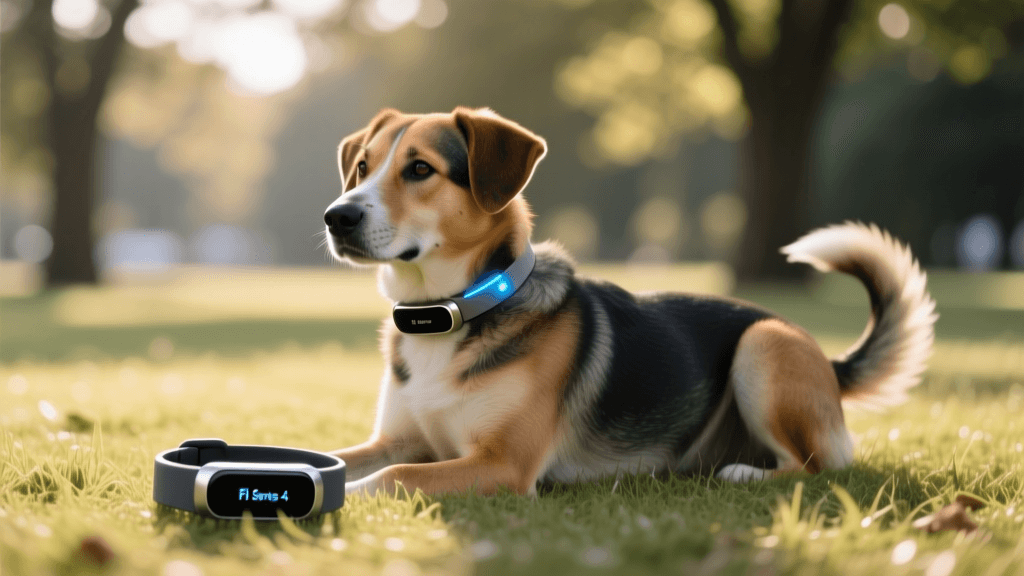
Decoding Canine Pain Signals: 2026 Wearable Tech & Cues
Learn to decode hidden canine pain signals in 2026 using behavioral cues and the Fi Series 4 smart collar. Protect your dog's health and wellbeing today.
The Silent Struggle: Why Dogs Mask Their Pain
Dogs are our most devoted companions, yet their evolutionary history as pack animals has hardwired them to hide vulnerability. In the wild, showing signs of weakness or pain could make a dog a target for predators or lead to ostracization from the pack. Today, this survival instinct means that our pets often suffer in silence, masking joint pain, dental disease, and internal discomfort until the issue reaches a critical, undeniable threshold. As we navigate 2026, the intersection of traditional behavioral observation and advanced veterinary wearable technology has revolutionized how we interpret canine communication. By learning to decode subtle calming signals and leveraging the latest biometric tracking tools, dog owners can intervene weeks or even months before a minor ache becomes a major medical crisis.
5 Critical Behavioral Signals of Hidden Pain
While a dog with a severely injured paw will limp, a dog with early-stage osteoarthritis or chronic gastrointestinal discomfort will rely on micro-expressions and subtle shifts in body language. According to extensive resources on canine body language provided by the ASPCA, owners must look beyond obvious vocalizations to spot the early warning signs of distress.
1. The 'Whale Eye' and Facial Tension
When a dog turns its head away but keeps its eyes fixed on a stimulus, exposing the whites of the eyes (the sclera), this is known as 'whale eye.' While often associated with fear or anxiety, in a relaxed home environment, sudden whale eye when you touch a specific area of their body is a primary indicator of localized pain. Accompanying facial tension, such as a tightly closed mouth or flattened ears, further confirms discomfort.
2. Altered Sleep Architecture and Restlessness
Pain prevents deep, restorative sleep. If your dog is frequently waking up, pacing at night, or struggling to find a comfortable position, they are communicating physical distress. In 2026, veterinary behaviorists emphasize that chronic sleep fragmentation is one of the earliest signs of systemic inflammation or orthopedic pain.
3. Micro-Tremors and Weight Shifting
Observe your dog while they are standing still. A dog experiencing hip dysplasia or spinal discomfort will frequently shift their weight from one hind leg to the other, or exhibit micro-tremors in their thigh muscles as they attempt to unload pressure from a painful joint. This is often mistaken for simply 'being cold' or 'excited.'
4. Exaggerated Calming Signals
Turid Rugaas, a pioneer in canine behavior, identified 'calming signals'—such as lip licking, yawning, and sniffing the ground—as ways dogs de-escalate stress. When these signals occur out of context (e.g., your dog repeatedly yawns and licks its lips while being petted or during a routine car ride), it is a profound communication of internal stress or physical pain.
5. Avoidance Behaviors and Routine Changes
A sudden hesitation to jump into the car, a reluctance to climb stairs, or a dog that suddenly prefers sleeping on the hard floor instead of their plush bed are all deliberate communications. They are telling you that the mechanics of their daily routine now cause discomfort.
The 2026 Tech Advantage: Fi Series 4 Health Tracking
While behavioral observation is crucial, human eyes cannot monitor a dog 24/7, nor can we see internal biometric shifts. This is where the Fi Series 4 Smart Collar, the leading wearable in the 2026 pet tech market, bridges the communication gap. Building upon previous GPS tracking models, the Fi Series 4 introduces continuous Resting Heart Rate Variability (HRV) monitoring, advanced sleep-stage tracking, and localized scratch-rate algorithms.
Heart Rate Variability is a key indicator of autonomic nervous system health. A sudden, sustained drop in your dog's resting HRV is a biological red flag indicating systemic stress, pain, or the onset of illness, often manifesting days before physical symptoms appear. Furthermore, the Fi Series 4 app utilizes machine learning to establish a unique baseline for your dog's daily activity and sleep cycles. If your dog's REM and deep sleep ratios drop below their normal threshold, the app sends a proactive 'Wellness Alert' to your smartphone, prompting you to investigate potential pain sources.
Data Comparison: Behavioral Cues vs. Wearable Metrics
To truly understand how modern technology complements traditional observation, review the comparison table below. This chart illustrates how the Fi Series 4 metrics align with the physical signals of canine pain.
| Health Indicator | Traditional Observation (Human Eye) | Fi Series 4 Metric (2026 Tech) |
|---|---|---|
| Sleep Quality | Nighttime restlessness, pacing, inability to settle | REM/Deep Sleep ratio drops below 20% baseline |
| Physical Discomfort | Licking joints, hesitation to jump, stiffness | Abnormal spike in localized scratch/itch rate |
| Systemic Stress | Panting, whale eye, trembling, lip licking | Resting HRV decreases by 15% or more |
| Mobility Issues | Shorter stride, lagging behind on walks | Step count drops 10% with increased rest periods |
Fear-Free Interventions and Veterinary Communication
Recognizing pain is only the first step; how we handle our dogs once pain is identified is equally critical. The Fear Free Pets initiative has set the gold standard for 2026 veterinary care, emphasizing that a dog in pain is highly susceptible to fear and anxiety, which only amplifies their physical suffering. When you identify pain signals, avoid forcing your dog into stressful situations.
Before heading to the veterinarian, utilize adaptive pheromone therapies like the Adaptil Transport 2026 spray, which mimics the calming maternal pheromones of a nursing mother dog. Apply it to your dog's harness or the car blanket 15 minutes before travel. During the vet visit, communicate your findings clearly. Instead of simply saying 'my dog seems off,' provide your veterinarian with a holistic report: detail the specific calming signals you observed (e.g., whale eye when touching the lower back) and share the biometric data exported directly from your Fi Series 4 app. This combination of qualitative behavioral data and quantitative biometric data allows veterinarians to pinpoint diagnostics much faster.
Your 2026 Action Plan for Canine Wellbeing
To ensure you are proactively managing your dog's health and decoding their communication effectively, implement this actionable checklist today:
- Establish a Biometric Baseline: Ensure your dog's smart collar is fitted correctly (allowing two fingers to slide underneath) and allow the app 14 days to learn their unique HRV and sleep patterns.
- Perform Weekly Touch-Tests: Gently run your hands along your dog's spine, hips, and limbs while watching their face. Note any lip licking, yawning, or whale eye responses.
- Map Their Environment: Provide orthopedic ramps for furniture and elevated food bowls to reduce mechanical strain on aging joints, minimizing the need for them to communicate avoidance behaviors.
- Schedule Fear-Free Checkups: Book bi-annual wellness exams with a Fear-Free certified veterinarian, bringing your wearable data reports to discuss trends in sleep and activity.
- Respect the Signals: If your dog offers a calming signal like turning away or yawning when approached, give them space. Never punish a dog for growling or avoiding touch, as these are vital, honest communications of pain.
Conclusion
Canine communication is a rich, complex language of subtle gestures, micro-expressions, and biological rhythms. By combining your empathetic observation of calming signals with the cutting-edge biometric insights provided by 2026 wearable technology like the Fi Series 4, you can break through the barrier of canine stoicism. Understanding these signals ensures your dog receives the timely medical care they deserve, leading to a longer, healthier, and significantly more comfortable life.
For further reading on interpreting your pet's subtle cues, the Humane Society's guide to reading dog body language remains an invaluable, comprehensive resource for all dog owners committed to proactive health management.
beth-carrasco
All our authors care for dogs every day — read more of their work on the authors page.