Holistic Canine Calming Signals & Natural Stress Relief 2026
Discover how to decode your dog's calming signals and use holistic, natural stress relief methods to support their mental well-being in 2026.
The Evolution of Canine Psychology: A Holistic Perspective for 2026
As we navigate the evolving landscape of canine psychology in 2026, the shift toward holistic and natural approaches to dog behavior has never been more pronounced. Modern pet parents and integrative veterinarians are moving away from merely masking anxiety with pharmaceuticals. Instead, the focus has shifted toward understanding the root causes of stress and supporting the whole dog—mind, body, and environment. At the heart of this holistic understanding is the ability to read and respond to your dog's natural communication, specifically their 'calming signals.'
Coined by Norwegian canine behaviorist Turid Rugaas, calming signals are subtle body language cues dogs use to de-escalate tension, communicate peaceful intentions, and self-soothe in stressful situations. Recognizing these signals is the first step in a natural, empathetic approach to canine behavioral health. By combining this understanding with holistic stress-relief modalities, we can foster profound emotional resilience in our dogs without relying solely on synthetic interventions.
Decoding the Top 5 Canine Calming Signals
According to the Humane Society of the United States, understanding canine body language is critical for preventing behavioral issues and ensuring animal welfare. Dogs are constantly communicating, but their signals are often missed or misinterpreted by humans. Here are the five most common calming signals you need to recognize:
1. Yawning and Lip Licking
While yawning can indicate tiredness, in a tense environment—such as a crowded veterinary waiting room or during a loud thunderstorm—a sudden yawn or rapid lip lick is a primary calming signal. It is an autonomic nervous system response designed to lower the dog's heart rate and signal to others that they mean no harm.
2. Turning the Head or Body Away
If you lean over your dog to pet them and they turn their head to the side or present their side to you, they are not being stubborn. They are using a polite canine gesture to ask for space and lower the social pressure of the interaction.
3. Sniffing the Ground
Sudden, intense sniffing of the ground when another dog approaches or when a stranger enters the home is a displacement behavior. It allows the dog to avoid direct eye contact, which can be perceived as a threat, while simultaneously engaging their olfactory system to ground themselves in the present moment.
4. Slow Movements and Freezing
When a dog feels overwhelmed, they may move in slow motion or freeze entirely. This is a natural de-escalation tactic. Fast, erratic movements trigger prey drive or defensive aggression in other animals; slow movements signal peaceful, non-threatening intentions.
5. The Curved Approach
Dogs naturally prefer to approach each other in a wide arc rather than walking straight head-on. A direct approach is confrontational in canine body language. Allowing your dog to walk in a curve when meeting new dogs or people is a simple, holistic way to respect their natural social instincts and prevent reactive outbursts.
Holistic Interventions for Nervous System Regulation
Once you can identify when your dog is stressed and utilizing calming signals, the next step is to offer holistic support. In 2026, the integrative veterinary community heavily emphasizes environmental modification, neuro-nutrition, and somatic therapies to help dogs process stress naturally.
Adaptogens and Neuro-Nutrition
The use of adaptogenic herbs and amino acids has become a cornerstone of natural canine anxiety relief. Unlike traditional sedatives that dull the senses, adaptogens help the body resist physical and mental stressors by modulating the adrenal glands. The American Kennel Club highlights L-Theanine, an amino acid found in green tea, as a highly effective, natural supplement for promoting relaxation without drowsiness. L-Theanine increases alpha brain waves, which are associated with a state of 'wakeful relaxation.'
In 2026, veterinary-grade adaptogen blends combining L-Theanine, Ashwagandha root, and organic chamomile are widely available. These natural supplements typically cost between $45 and $70 for a one-month supply, offering a cost-effective, non-habit-forming alternative to daily prescription anti-anxiety medications for mild to moderate stress.
Somatic Patterning and Tellington TTouch
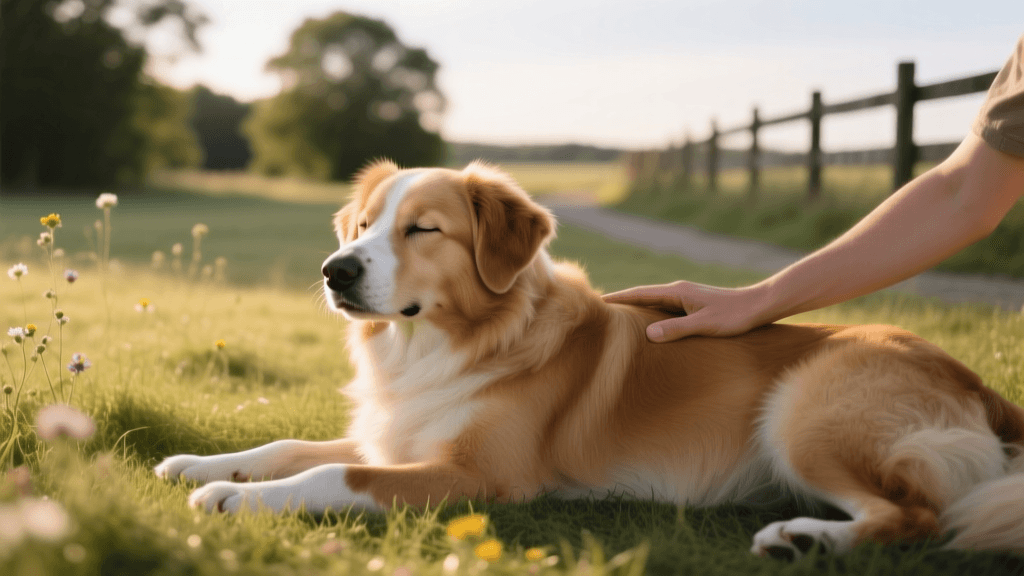
The Tellington TTouch method is a holistic bodywork technique that uses specific, mindful touches to activate the parasympathetic nervous system (the 'rest and digest' state). Techniques like 'Ear Slides'—gently stroking from the base of the ear to the tip—can rapidly lower a dog's heart rate and interrupt a panic response. Because the ears are rich in nerve endings connected to the vagus nerve, this simple somatic practice is a powerful, drug-free tool for acute stress relief.
Bioacoustics and Environmental Enrichment
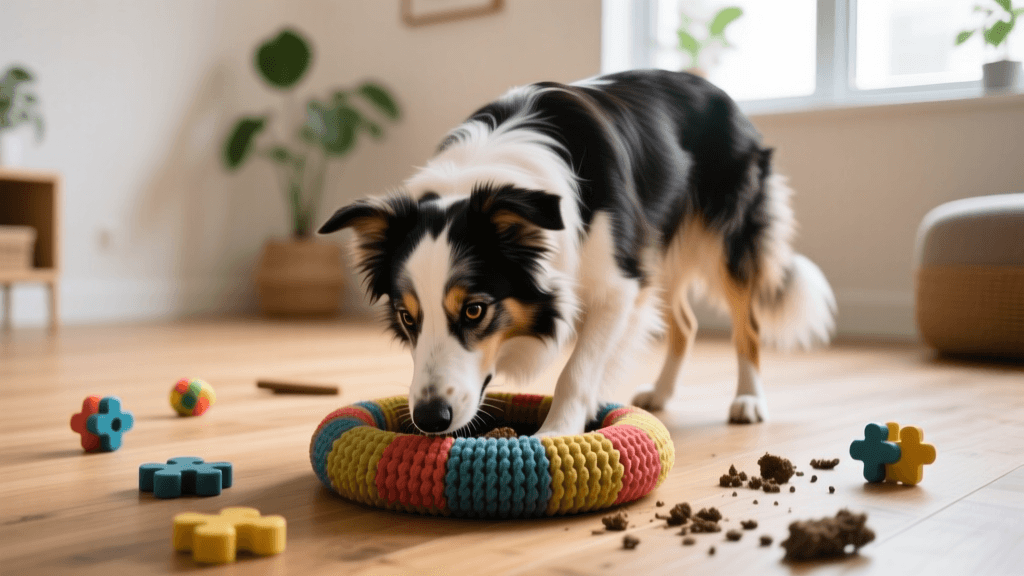
Sound therapy has evolved significantly by 2026. Psychoacoustic music designed specifically for the canine auditory range (such as the 'Through a Dog's Ear' series) uses simplified melodies and specific tempos to slow a dog's heart rate. Pairing bioacoustic music with natural foraging enrichment—like hiding meals in organic wool snuffle mats—encourages natural sniffing behaviors, which inherently releases dopamine and endorphins in the canine brain.
2026 Holistic Stress-Relief Comparison Chart
To help you choose the right natural approach for your dog's specific needs, refer to the comparison table below. This chart outlines the most effective holistic modalities available in 2026, their mechanisms of action, and estimated costs.
| Holistic Modality | Mechanism of Action | Best Use Case | Est. 2026 Cost |
|---|---|---|---|
| L-Theanine & Ashwagandha Chews | Modulates cortisol, increases alpha brain waves | Daily maintenance for generalized anxiety, travel, and vet visits | $45 - $70 / month |
| Tellington TTouch (Ear Slides) | Stimulates the vagus nerve, activates parasympathetic nervous system | Acute panic, thunderstorms, fireworks, and post-surgery recovery | Free (Owner-administered) |
| Canine Psychoacoustic Music | Slows heart rate via auditory entrainment | Separation anxiety, crate training, and noisy household environments | $10 - $15 / month (Streaming) |
| Organic Wool Snuffle Mats | Promotes natural foraging, releases dopamine through scent work | Boredom, hyperactivity, and mental enrichment during indoor days | $30 - $55 (One-time) |
| Pheromone Diffusers (DAP) | Mimics maternal nursing pheromones to signal safety | Multi-dog household tension, new puppy introduction, and nighttime restlessness | $25 - $40 / month |
The Role of Co-Regulation in Holistic Dog Care
Perhaps the most critical, yet frequently overlooked, aspect of natural canine stress relief is the concept of co-regulation. Dogs are highly attuned to the emotional states of their human companions. If you are anxious, frustrated, or tense while holding the leash, your dog will read your micro-muscle tensions and elevated heart rate, interpreting the environment as unsafe.
Holistic behavior modification requires the human to practice self-regulation. Deep, diaphragmatic breathing on your part can literally signal to your dog that the environment is secure. When you notice your dog offering a calming signal—such as a lip lick when a stranger approaches—respond by taking a deep breath, softening your own posture, and giving your dog space. This mutual exchange of calming energy strengthens the human-animal bond and builds profound trust.
Furthermore, the ASPCA emphasizes that addressing behavioral issues holistically means looking at the dog's overall lifestyle. Ensuring your dog receives species-appropriate raw or gently cooked nutrition, adequate rest (dogs need 12 to 14 hours of sleep per day), and off-leash decompression in nature are foundational pillars that make specific calming techniques truly effective.
Conclusion: Embracing the Whole Dog
Understanding your dog's calming signals is not just about preventing a bite or stopping a reactive outburst; it is about honoring their natural language and providing empathetic, holistic support. By combining the observation of subtle body language with modern natural interventions like adaptogens, somatic touch, and bioacoustics, we can help our canine companions navigate a loud, chaotic world with confidence and peace. As we continue through 2026, let us commit to listening to what our dogs are quietly telling us, and respond with the gentle, natural remedies they deserve.
jonas-cole
All our authors care for dogs every day — read more of their work on the authors page.