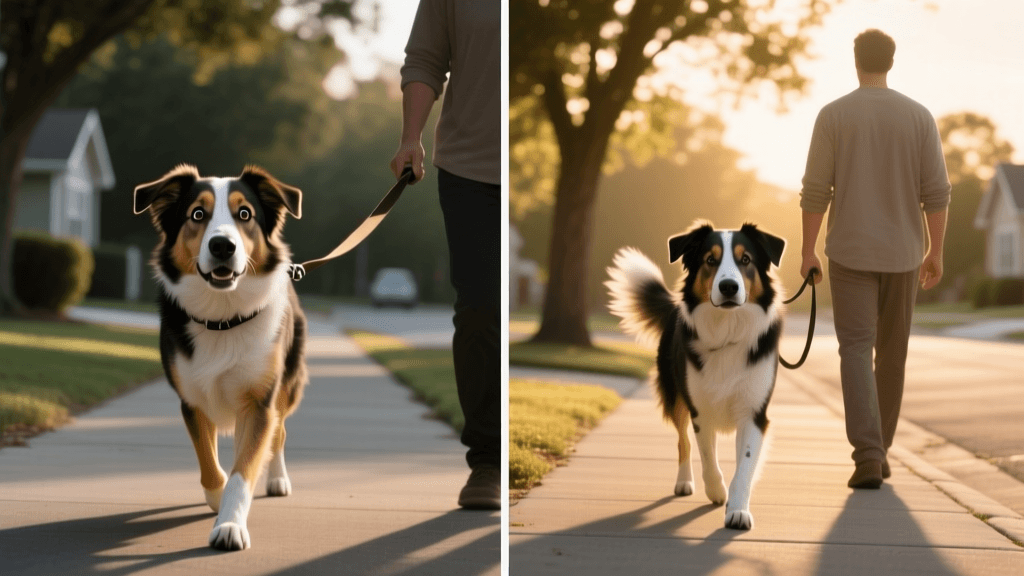
Cooperative Care Dog Training 2026: Build Deep Trust
Learn cooperative care husbandry training in 2026 to build deep trust, reduce vet anxiety, and strengthen your bond using positive reinforcement techniques.
The Evolution of Dog Training in 2026: Beyond Basic Obedience
As we navigate the dog training landscape in 2026, the focus has shifted dramatically from simple compliance to profound partnership. Modern behaviorists and veterinary professionals now recognize that true obedience is rooted in a secure, trusting relationship. At the forefront of this movement is cooperative care training (often referred to as husbandry training). This approach transforms stressful veterinary visits, grooming sessions, and daily handling into opportunities for deep bonding and relationship building.
Historically, dogs were physically restrained for nail trims, ear cleanings, and injections. Today, thanks to the widespread adoption of protocols championed by organizations like Fear Free Pets, we understand that forced restraint spikes cortisol levels and erodes the human-canine bond. Cooperative care empowers your dog with a voice, giving them the agency to participate willingly in their own care.
What is Cooperative Care Training?
Cooperative care is a training methodology where the dog is taught to voluntarily assume and hold a specific position for a handling procedure. More importantly, it involves teaching a "start button" and an "opt-out" mechanism. When a dog knows they have the power to pause or stop a procedure by simply looking away or lifting their head, their anxiety plummets. Paradoxically, giving a dog the choice to leave almost always results in the dog choosing to stay. This psychological safety is the bedrock of relationship building.
Essential 2026 Tools for Husbandry Training
To build a cooperative care routine, you need the right equipment. Here are the top-rated tools for 2026 that facilitate positive associations:
- Karen Pryor Clicker Training Target Stick ($22): Essential for teaching the chin rest and guiding your dog onto grooming tables or veterinary scales without physical lifting.
- Hyper Pet Doggie Tail Interactive Lick Mat ($16): Suction-cup equipped lick mats are vital for distracting and soothing dogs during vaccinations or blood draws. Spread with high-value treats like plain pumpkin puree or low-sodium bone broth.
- Dremel PawControl 7300-PT ($48): The 2026 standard for cooperative nail care. Its quiet motor and ergonomic design allow dogs to tolerate nail filing far better than traditional clippers.
- Snuffle Mats and Foraging Boxes ($25-$40): Used for scent-based decompression before training sessions to lower baseline arousal levels.
Step-by-Step: Teaching the Chin Rest
The chin rest is the foundational behavior for cooperative veterinary exams. It allows the vet to examine the dog's eyes, ears, and teeth while the dog remains calm and engaged.
Phase 1: Hand Targeting
Present your flat palm a few inches from your dog's nose. The moment they sniff or touch your hand, mark the behavior with a clicker or a verbal "Yes!" and deliver a high-value treat within 0.5 seconds. Repeat this until the dog is eagerly bumping their nose into your hand.
Phase 2: Adding Duration
Once the dog reliably touches your hand, delay the marker by half a second, then a full second. You are shaping the dog to hold their chin against your palm. Gradually increase the duration to 5 seconds, then 10 seconds. If the dog pulls away, simply reset without offering a treat; this is their way of communicating they need a break.
Phase 3: Transferring to a Prop
Place a folded towel on a stable surface. Lure the dog to rest their chin on the towel. This mimics the edge of a veterinary exam table or a grooming arm. Practice in short, 3-minute sessions to prevent mental fatigue.
The Bucket Game: Teaching Consent
Popularized by canine behavior experts and widely recommended by the American Kennel Club in their advanced training guides, the Bucket Game is a brilliant consent exercise for grooming and handling.
- Place a bucket or sturdy stool next to you.
- Train your dog to rest their chin on the bucket (using the targeting steps above).
- While the dog's chin is on the bucket, gently touch their shoulder. Immediately mark and reward.
- Gradually increase the invasiveness of the touch (e.g., lifting a paw, touching an ear, simulating a brush stroke).
- The Rule of Consent: If the dog lifts their head off the bucket at any point, you must immediately stop all handling. Wait for them to voluntarily place their chin back on the bucket before resuming. This teaches the dog that their body language directly controls the environment.
Traditional Restraint vs. Cooperative Care
Understanding the physiological and emotional differences between old-school restraint and modern cooperative care highlights why this method is superior for bonding.
| Metric | Traditional Forced Restraint | Cooperative Care Training |
|---|---|---|
| Stress Hormones | High Cortisol & Adrenaline Spikes | Baseline Levels / Oxytocin Release |
| Trust Impact | Erodes Trust; Creates Handler Aversion | Strengthens Bond; Builds Security |
| Time Investment | Fast initially (Forced), but leads to longer future struggles | Slower initially, but drastically faster long-term |
| Safety | High Risk of Fear-Based Biting | Minimal Risk; Dog Communicates Discomfort Early |
Reading Canine Body Language as Feedback
Relationship building requires active listening. In cooperative care, your dog's body language is their voice. According to behavioral resources from the ASPCA, dogs exhibit subtle stress signals long before they growl or snap. During husbandry training, watch for:
- Lip Licking and Yawning: Often mistaken for tiredness, these are frequent appeasement and stress signals.
- Whale Eye: Showing the whites of the eyes while looking away indicates high anxiety.
- Muscle Tension: A stiffened topline or frozen posture means the dog is tolerating, not consenting.
If you observe these signals, you have pushed too far, too fast. Back up to a previous, easier step in the training progression and reward heavily. Respecting these subtle boundaries is what separates mere training from true relationship building.
Troubleshooting Common Setbacks
Even with the best intentions, setbacks happen. If your dog suddenly refuses to engage with the chin rest or the bucket game, evaluate the environment. Are there new distractions? Is the dog experiencing underlying pain? In 2026, veterinary behaviorists emphasize the "Pain-Free, Fear-Free" hierarchy: always rule out physical discomfort before assuming a training failure. If a dog who previously loved the Dremel suddenly pulls away, check for nail quick sensitivity or joint pain in the leg being handled.
Professional Help and 2026 Pricing
If your dog has a history of severe fear or aggression at the vet, enlisting a professional is crucial. In 2026, Certified Fear Free Trainers and veterinary behaviorists typically charge between $140 and $220 per hour for private cooperative care consultations. Many modern veterinary clinics now also offer "Happy Visits"—free, 10-minute sessions where the dog simply visits the clinic, steps on the scale, receives high-value treats, and leaves without any medical procedures. Taking advantage of these Happy Visits is one of the most effective ways to generalize your cooperative care training to the clinical environment.
Conclusion: A Lifetime of Trust
Cooperative care training is not a quick fix; it is a lifelong conversation with your dog. By prioritizing their autonomy and emotional well-being, you transform necessary but unpleasant tasks into moments of connection. In 2026, the mark of a truly well-trained dog is not one that submits out of fear, but one that participates out of trust. Grab your target stick, load up your treat pouch, and start building a deeper, more resilient bond with your best friend today.
hannah-wickes
All our authors care for dogs every day — read more of their work on the authors page.