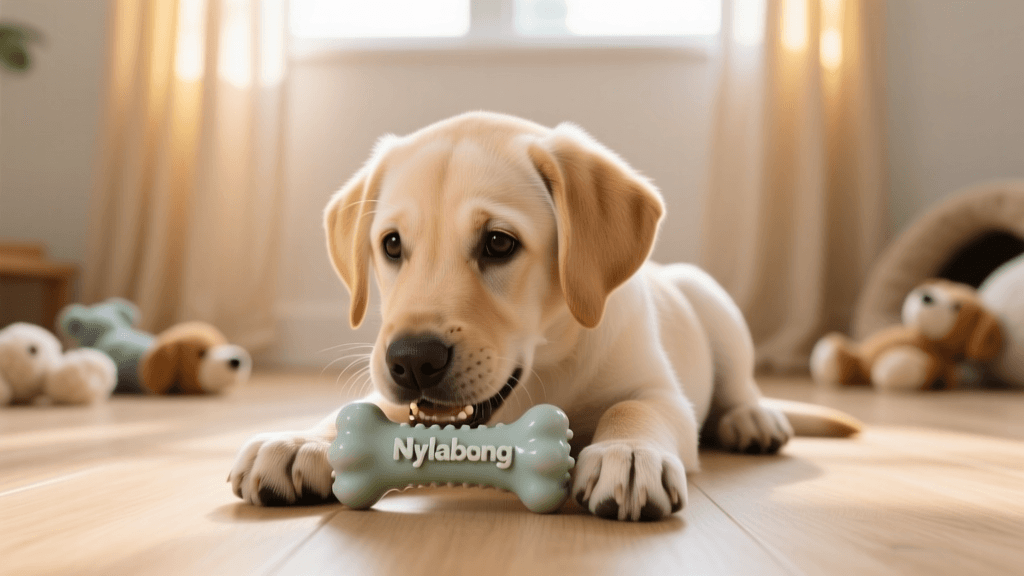
Puppy Teething Psychology: Best Soothing Chew Toys for 2026
Understand the psychology behind puppy teething and discover the best soothing chew toys for 2026 to redirect destructive biting and ease gum pain.
The Neurological and Behavioral Drive to Chew
When a puppy enters your home, one of the first and most intense behavioral phases you will encounter is teething. While many pet owners view teething purely as a physical milestone, veterinary behaviorists in 2026 emphasize that it is profoundly rooted in canine psychology and neurology. Chewing is not merely a reaction to oral discomfort; it is a complex coping mechanism, a method of environmental exploration, and a self-soothing behavior that triggers the release of endorphins and dopamine in the canine brain.
According to the ASPCA, chewing is a natural, instinctual behavior that serves multiple psychological purposes. For a teething puppy, the pressure applied to the gums through chewing acts as a natural analgesic, counteracting the deep, aching pain of adult teeth pushing through delicate gingival tissue. Furthermore, puppies lack the manual dexterity to explore objects with their paws as humans do. They use their mouths as their primary sensory organs, mapping the texture, taste, and density of their environment. Understanding this dual drive—pain relief and sensory exploration—is the key to selecting the best teething toys for 2026 and successfully redirecting destructive chewing away from your furniture and shoes.
The 2026 Teething Timeline: What to Expect
To effectively manage your puppy's behavior, you must anticipate their developmental stages. The American Kennel Club outlines a specific teething timeline that every owner should memorize:
- 3 to 6 Weeks: Deciduous (baby) teeth begin to emerge. Puppies are usually still with their breeder or mother during this time, learning early bite inhibition through littermate play.
- 12 to 16 Weeks: The most intense phase of teething begins. Baby teeth start falling out, and adult incisors push through. You will notice increased chewing, mild bleeding, and a desire to gnaw on cold objects.
- 4 to 6 Months: Adult canines and premolars erupt. This is when destructive chewing often peaks if the puppy's psychological and physical needs are not met with appropriate outlets.
- 6 to 8 Months: The full set of 42 adult teeth should be in place. However, the psychological habit of chewing for stress relief and boredom management will persist into adulthood.
Best Teething Toys for 2026: A Behavioral Approach
In 2026, the most highly recommended teething toys are those that address both the physical need for gum massage and the psychological need for mental enrichment. Here are the top behavioral-focused teething toys available today.
1. KONG Puppy (Classic) - The Foraging Enrichment Tool
From a behavioral standpoint, the KONG Puppy is unparalleled because it taps into the canine foraging instinct. When stuffed with high-value treats, puppy-safe peanut butter, or frozen bone broth, the KONG transforms chewing into a problem-solving task. This cognitive engagement tires the puppy's brain, reducing the anxiety and restlessness that often accompany teething pain. The proprietary teething rubber formula is soft enough to soothe inflamed gums without fracturing developing teeth, while the unpredictable bounce adds a layer of predatory play that burns off excess energy.
2. Nylabone Puppy Chew Textured Rings - Sensory Stimulation
Puppies crave varied textures to scratch and soothe their itchy gums. The Nylabone Puppy Chew rings feature multiple raised bristles and nubs that act like a toothbrush, providing targeted acupressure to the gums. Psychologically, the variety of textures prevents rapid habituation—the process by which a dog becomes bored with a single, uniform stimulus. By offering a multi-sensory experience, Nylabone keeps the puppy engaged for longer periods, effectively redirecting them from chewing on baseboards or electrical cords.
3. Benebone Puppy Wishbone - Ergonomic Grip and Olfactory Engagement
One of the most frustrating behaviors for owners is when a puppy rejects a toy simply because they cannot figure out how to hold it. The Benebone Puppy Wishbone is designed with canine ergonomics in mind. Its wishbone shape allows the puppy to pin the toy down with their paws while they chew, satisfying their instinctual desire to 'hold and tear.' Furthermore, Benebone infuses its nylon with real bacon scent. Because a dog's olfactory system is deeply tied to their limbic system (the emotional center of the brain), the scent provides immediate psychological comfort and attraction, making the toy vastly more appealing than a wooden table leg.
Toy Comparison Chart: Behavioral Benefits
| Toy Model | Primary Behavioral Benefit | Texture Profile | Best For |
|---|---|---|---|
| KONG Puppy Classic | Cognitive enrichment & foraging | Smooth, yielding rubber | Food-motivated pups & anxiety reduction |
| Nylabone Puppy Rings | Sensory stimulation & habituation delay | Multi-textured bristles | Sensory seekers & gum acupressure |
| Benebone Puppy Wishbone | Ergonomic control & olfactory comfort | Scent-infused rigid nylon | Frustrated chewers needing a good grip |
The Psychology of Toy Rotation and Habituation
A common mistake owners make in 2026 is leaving all of the puppy's toys out on the floor at once. Canine psychologists warn against this practice due to 'habituation.' When a dog has constant, unrestricted access to the same stimuli, their brain stops registering those stimuli as novel or rewarding. The toys become part of the background environment, much like wallpaper.
To maintain the psychological value of your teething toys, implement a strict rotation schedule. Keep only two or three toys available at any given time, and store the rest in a sealed, scent-proof container. Every few days, swap the toys out. When a toy is reintroduced after a week-long absence, the puppy's brain registers it as a novel, exciting object, reigniting their interest and providing a fresh outlet for their chewing drive.
Teaching Bite Inhibition Through Play
Teething toys are also vital tools for teaching bite inhibition. The American Veterinary Medical Association recommends structured play to help puppies understand the sensitivity of human skin. When a puppy attempts to chew on your hands, immediately withdraw your attention, stand up, and redirect them to an appropriate teething toy like the KONG or Benebone.
The moment the puppy's teeth make contact with the rubber or nylon, lavish them with verbal praise and engagement. This operant conditioning teaches the puppy a clear psychological boundary: human skin results in the end of play and social isolation, while appropriate teething toys result in continued interaction, praise, and physical relief. Over time, this rewires the puppy's default response to oral discomfort, ensuring they reach adulthood with a soft mouth and a clear understanding of household rules.
Conclusion: Empathy in the Teething Phase
Navigating the teething phase requires patience, empathy, and a solid understanding of canine psychology. By recognizing that your puppy is not being 'bad' when they chew your favorite shoes, but rather following a deep-seated biological and neurological imperative, you can approach training with compassion. Equipping your home with the best soothing chew toys for 2026, utilizing toy rotation to combat boredom, and actively redirecting their behavior will not only save your belongings but will also build a foundation of trust and communication that will last a lifetime.
hannah-wickes
All our authors care for dogs every day — read more of their work on the authors page.