Decoding Canine Pain Signals & Biometric Tracking in 2026
Learn to decode subtle canine pain and stress signals in 2026. Combine body language reading with biometric collar tracking for optimal dog wellbeing.
The Evolutionary Mask: Why Dogs Hide Pain
As pet parents and canine care professionals navigate the evolving landscape of veterinary wellness in 2026, understanding canine communication has never been more critical. Dogs are masters of disguise when it comes to physical discomfort. Evolutionarily, displaying weakness in a pack environment made early canines vulnerable to predators and social demotion. Consequently, modern domestic dogs retain this stoic instinct, often masking osteoarthritis, dental disease, and internal discomfort until the pain becomes severe. Recognizing the subtle, early-stage communication signals of stress and pain is the cornerstone of proactive health management. By combining keen observation of canine body language with the latest 2026 biometric wearable technology, owners can intervene weeks or even months before a minor issue escalates into a chronic condition.
Facial Micro-Expressions and Calming Signals
Before a dog vocalizes or exhibits obvious lameness, they communicate through micro-expressions and 'calming signals.' These are subtle physiological and behavioral cues designed to self-soothe or de-escalate perceived threats, including internal pain. In 2026, veterinary behaviorists emphasize that misinterpreting these signals as mere 'quirks' often delays crucial medical interventions.
Key Facial Indicators of Discomfort
- Whale Eye: When a dog turns its head away but keeps its eyes fixed on a stimulus, exposing the crescent-shaped white sclera, it indicates high anxiety or anticipation of pain, often seen when a sore joint is approached.
- Lip Licking and Yawning: While normal after eating or waking up, rapid, repetitive lip licking and out-of-context yawning are primary indicators of acute stress or nausea, frequently linked to gastrointestinal distress or systemic pain.
- Ear Positioning: Ears pinned flat against the skull or held in a tense, asymmetrical position often signal physical tension. A dog with a localized ear infection or cervical spine pain will alter its ear carriage to protect the affected area.
- Changes in the Eyes: A 'hard' stare, dilated pupils in normal lighting, or a glassy appearance are strong physiological markers of an adrenaline spike triggered by sudden pain.
Body Postures and Locomotion Cues
Beyond the face, a dog's overall posture provides a wealth of diagnostic information. The American Veterinary Medical Association (AVMA) notes that changes in resting postures are among the most reliable indicators of chronic musculoskeletal pain.
| Canine Signal | Category | What It Means | Action to Take |
|---|---|---|---|
| Shaking off (when not wet) | Stress Relief | Attempting to 'reset' the nervous system after a stressful or painful event. | Assess the environment for triggers; check for physical tenderness. |
| Sitting asymmetrically | Pain Avoidance | Shifting weight off a sore hip, knee, or lower back (spinal discomfort). | Record the side they favor and schedule an orthopedic vet exam. |
| Excessive panting at rest | Physiological Stress | Indicates pain, fever, or cardiovascular strain if the room is cool. | Check resting respiratory rate; consult a vet if over 30 breaths/min. |
| Reluctance to jump or use stairs | Mobility Issue | Anticipatory pain related to joint degeneration or spinal disc issues. | Provide ramps; begin joint supplements and vet-directed pain management. |
| Head bobbing or dipping | Orthopedic/Neuro | Compensating for front-limb pain or experiencing cervical nerve impingement. | Immediate veterinary neurological and orthopedic assessment required. |
Bridging Observation with 2026 Biometric Wearables
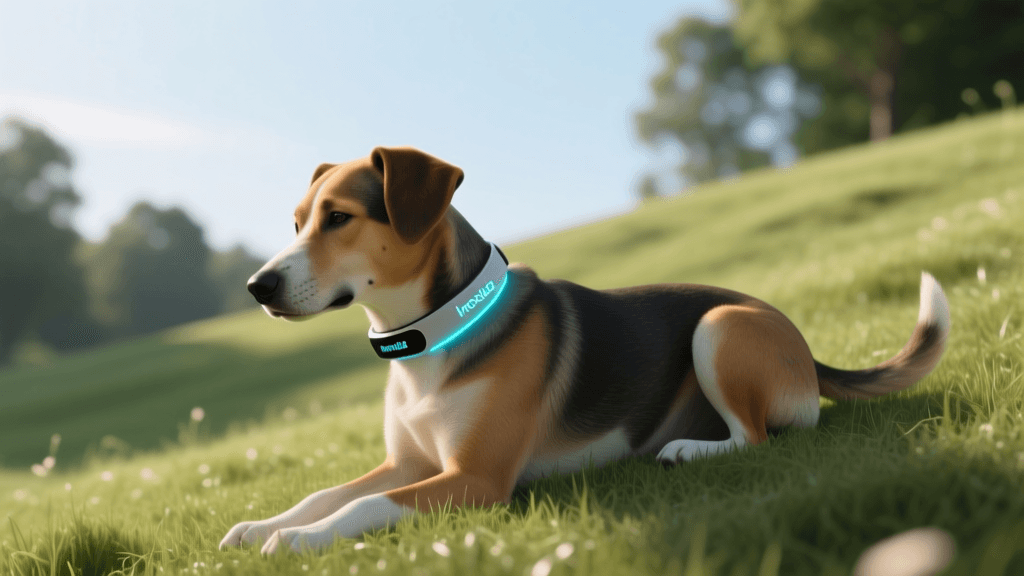
While human observation is vital, it is limited by the hours we spend away from our pets or the fact that dogs often sleep through the day when pain causes lethargy. This is where 2026's advancements in canine biometric wearables bridge the gap. The Invoxia Minitailz collar has emerged as a premier tool for translating canine communication into actionable health data. Unlike older generation activity trackers that merely counted steps, the Minitailz utilizes advanced edge-AI to monitor micro-movements, tail-wagging symmetry, and continuous heart rate variability (HRV).
Setting Up the Minitailz for Pain Detection
To effectively use biometric data as an extension of your dog's communication, you must establish a baseline and monitor for specific deviations.
- Establish the 14-Day Baseline: When your dog is healthy, have them wear the collar continuously for two weeks. The AI learns their unique resting heart rate (RHR), normal sleep cycles, and typical tail-wagging patterns.
- Monitor Resting Respiratory Rate (RRR): A healthy sleeping dog should take fewer than 30 breaths per minute. The Minitailz tracks chest expansions during sleep. A sustained RRR above 30 in 2026's clinical models is a primary red flag for congestive heart failure or acute pain.
- Analyze Tail-Wagging Symmetry: Research shows that dogs wag more to the right when experiencing positive emotions and to the left when anxious or in pain. The Minitailz's gyroscopic sensors detect left-leaning bias, alerting you to underlying anxiety or discomfort even if the dog appears outwardly calm.
- Track Sleep Fragmentation: Pain prevents deep REM sleep. If the app notifies you of increased 'micro-wakes' during the night, it is a strong indicator that your dog is struggling to find a comfortable resting position due to joint or abdominal pain.
Environmental Modifications for Stressed Dogs
When you decode that your dog is exhibiting stress or pain signals, modifying their environment is the immediate next step. The Fear Free Pets initiative heavily advocates for environmental enrichment and stress reduction to lower cortisol levels, which in turn reduces the perception of pain.
Targeted Wellness Adjustments
- Orthopedic Support: For dogs showing asymmetric sitting or reluctance to lie down, invest in a high-density, multi-layer memory foam bed. In 2026, beds with cooling gel layers are highly recommended for dogs with inflammatory joint conditions, as heat exacerbates joint swelling.
- Pheromone Therapy: Utilize Adaptil Optimum diffusers in the rooms where your dog spends the most time. These synthetic pheromones mimic the maternal appeasing pheromones, effectively communicating 'safety' to the canine brain and reducing anxiety-induced muscle tension.
- Traction Modifications: If your dog's communication signals include a stiff, hesitant gait on hardwood floors, apply non-slip toe grips or lay down interlocking foam mats. Slipping causes micro-strains that compound existing orthopedic pain.
Creating a Proactive Veterinary Partnership
Decoding your dog's signals is only half the battle; acting on them requires a strong partnership with your veterinary team. The ASPCA Dog Care guidelines stress the importance of routine wellness exams, but dogs exhibiting subtle pain signals require a more targeted approach.
When visiting the vet, bring your biometric data. Showing a veterinarian a month-long trend of elevated sleeping heart rates or fragmented sleep patterns from your Minitailz app provides objective evidence of discomfort that might be missed during a stressful, high-adrenaline clinic visit. Furthermore, ask your veterinarian about multimodal pain management. Modern 2026 veterinary protocols rarely rely on a single medication. Instead, they combine NSAIDs, therapeutic laser, acupuncture, and targeted joint nutraceuticals to address both the physical pain and the associated behavioral stress.
Conclusion
Canine communication is a rich, complex language of subtle gestures, physiological shifts, and behavioral adaptations. By educating yourself on the micro-expressions and calming signals that indicate pain, and by leveraging cutting-edge 2026 biometric tools like the Invoxia Minitailz, you can remove the guesswork from your dog's health. Listening to what your dog is truly saying ensures they live not just a longer life, but a profoundly more comfortable and joyful one.
tom-renshaw
All our authors care for dogs every day — read more of their work on the authors page.