Canine OA Home Care 2026: Best Ramps, Beds & Routines
Discover the best 2026 home modifications, orthopedic beds, and daily routines to manage canine osteoarthritis and keep your senior dog comfortable.
Understanding Canine Osteoarthritis in 2026
Osteoarthritis (OA) is a degenerative joint disease that affects a significant portion of the senior dog population. As we navigate pet care in 2026, the landscape of canine OA treatment has evolved dramatically. While veterinary medicine now heavily relies on advanced anti-NGF (nerve growth factor) monoclonal antibody therapies to manage pain at the neurological level, environmental management and daily routine adjustments remain the cornerstone of a comprehensive OA care plan. Medication can mask the pain, but it is your home environment that dictates whether your dog can safely navigate their world without risking further joint deterioration.
According to the American Kennel Club, osteoarthritis is a progressive condition that requires a multimodal approach. This means combining veterinary interventions with physical therapy, weight management, and strategic home modifications. In this guide, we will explore the most effective, practical, and vet-recommended home adjustments and daily routines to maximize your dog's comfort and mobility this year.
Critical Home Modifications for Joint Health
When a dog has OA, their environment can either be a source of constant micro-traumas or a supportive sanctuary. Slippery floors and high jumps are the primary culprits of acute joint flare-ups in the home.
1. Traction and Flooring Solutions
Hardwood, laminate, and tile floors are incredibly slippery for dogs with compromised joints. When a dog slips, even slightly, the sudden splay of their legs puts immense torque on the hip and shoulder joints. In 2026, the most effective solution for high-traffic areas is the use of interlocking foam puzzle mats or specialized non-slip canine socks. Products like Pawfriction, which apply a veterinary-grade, flexible rubber coating to the dog's paw pads, have become a gold standard for senior dogs. This non-toxic coating lasts for about a week per application and provides immediate grip on hardwood floors, preventing the 'Bambi on ice' effect that leads to catastrophic ligament tears or severe OA flare-ups.
For area rugs, ensure every single rug is anchored with a heavy-duty, non-slip rug pad. A sliding rug is just as dangerous as a bare hardwood floor.
2. Ramps and Stairs: Eliminating the Jump
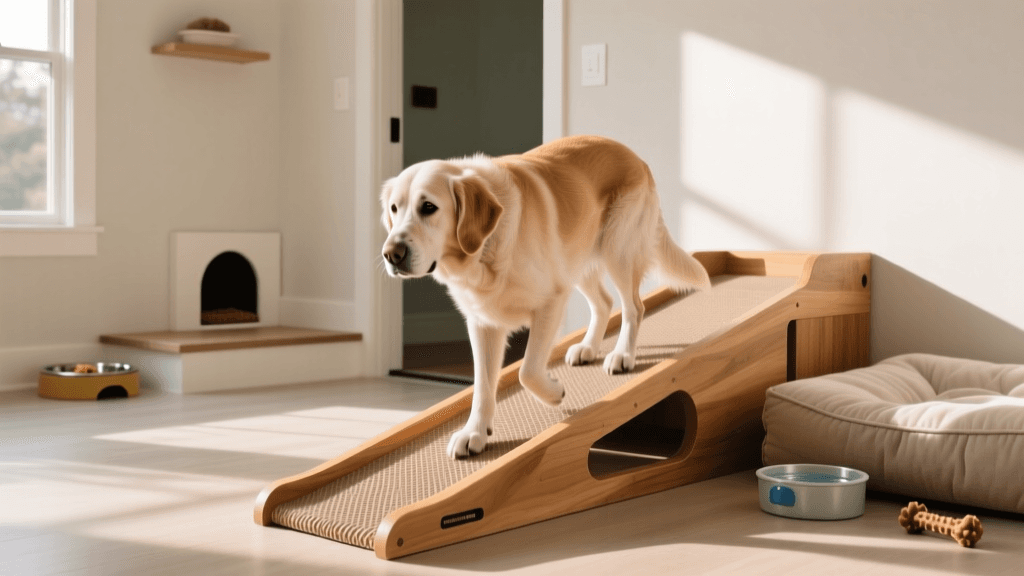
Jumping onto a bed or into an SUV requires a dog to generate explosive force from their hindquarters, which is agonizing for a dog with hip or stifle (knee) OA. You must eliminate jumping entirely from your dog's daily routine. The PetSafe Happy Ride Folding Pet Ramp remains a top recommendation due to its lightweight, bi-fold design and high-traction surface. When selecting a ramp, the incline angle is critical. For small to medium dogs, an incline of 18 to 20 degrees is ideal. For large breeds, aim for a gentler 15-degree incline to reduce the strain on their carpal (wrist) joints during descent.
Choosing the Right Orthopedic Bedding
A dog with OA will spend up to 18 hours a day resting. A standard poly-fill dog bed will flatten out within weeks, leaving your dog's joints pressing against the hard floor. True orthopedic beds use high-density, human-grade memory foam or support foam that does not bottom out under the dog's weight.
The Big Barker Orthopedic Dog Bed is widely considered the premium choice for large breeds with OA. It features a 7-inch foam foundation that is guaranteed not to flatten for 10 years. While the upfront cost is significant (often exceeding $250 in 2026), the longevity and joint support make it a cost-effective medical investment compared to replacing cheap beds every few months.
2026 Orthopedic Bed Comparison Chart
| Brand & Model | Foam Type & Thickness | Best For | Estimated 2026 Price |
|---|---|---|---|
| Big Barker 7'' Pillow Top | Human-grade H45/H10 foam, 7 inches | Large/Giant breeds, severe hip dysplasia | $259 - $399 |
| K9 Ballistics Tough Ortho | Memory foam + support foam, 5 inches | Destructive chewers, medium-to-large dogs | $185 - $245 |
| Furhaven Orthopedic Sofa | Egg-crate orthopedic foam, 3 inches | Small breeds, mild OA, budget-conscious | $45 - $75 |
Adjusting Your Daily Routine for an OA Dog
Managing OA is not just about what you buy; it is about how you structure your dog's day. The World Small Animal Veterinary Association (WSAVA) Global Pain Council emphasizes that chronic pain management requires lifestyle adaptations to prevent the boom-and-bust cycle of overexertion followed by severe pain flare-ups.
Exercise: The 'Sniffari' and Low-Impact Movement
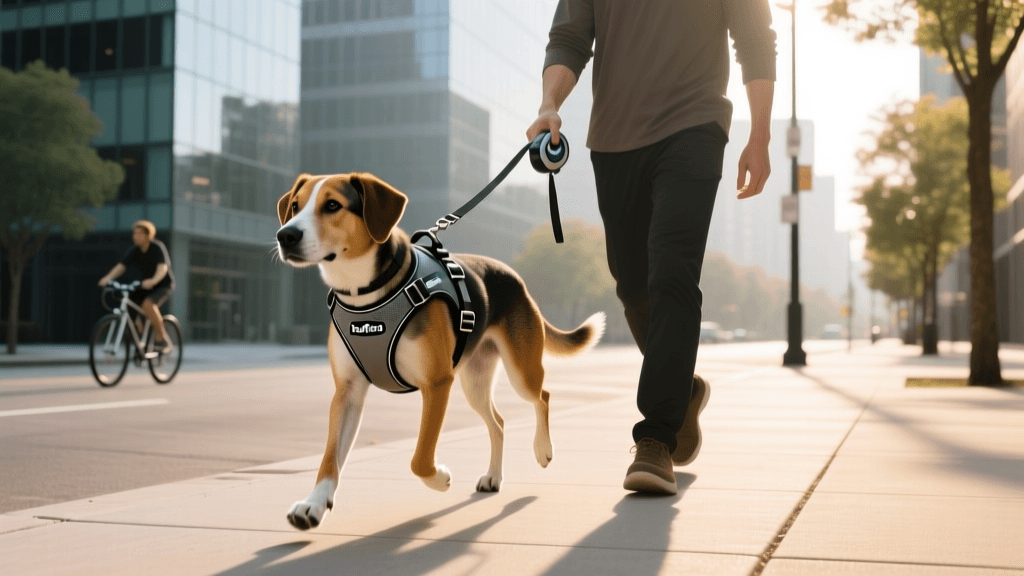
High-impact activities like fetch, frisbee, and sudden agility turns must be retired. However, complete rest leads to muscle atrophy, which removes the muscular support your dog's joints desperately need. The solution is the 'Sniffari'. A Sniffari is a slow, meandering walk where the dog is allowed to stop and sniff every bush, tree, and fire hydrant. Sniffing provides immense mental enrichment, tiring the dog out cognitively without putting repetitive mechanical stress on their joints. Aim for two 15-minute Sniffaris a day on soft, even surfaces like grass or dirt trails, avoiding uneven, rocky terrain that could cause a misstep.
If your budget and location allow, weekly canine hydrotherapy sessions are unparalleled for OA management. The buoyancy of the water supports the dog's weight, allowing them to build muscle mass and maintain cardiovascular health with zero concussive impact on their joints.
Feeding and Hydration Stations
While elevated food bowls were once universally recommended, recent veterinary consensus suggests that for dogs with cervical (neck) or severe shoulder OA, bending down to a floor-level bowl might actually be more comfortable, provided they have good traction. The most important factor is stability. Place your dog's food and water bowls on a heavy, weighted, non-slip silicone mat. This prevents the bowls from sliding across the floor while the dog eats, eliminating the need for them to brace their front legs awkwardly to chase their dinner.
At-Home Adjunct Therapies
In 2026, at-home therapeutic devices have become more accessible and effective. Photobiomodulation, commonly known as cold laser therapy, is a fantastic adjunct treatment. Devices like the B-Cure Laser Vet allow owners to administer low-level laser therapy at home. This therapy stimulates cellular repair, reduces localized inflammation, and increases blood flow to arthritic joints. A typical protocol involves treating the affected joints for 4 to 8 minutes daily. Always consult your veterinarian before starting laser therapy to ensure it is appropriate for your dog's specific medical history, especially if they have a history of neoplasia (cancer).
Additionally, incorporating veterinary-formulated joint supplements containing EPA/DHA (omega-3 fatty acids), green-lipped mussel extract, and undenatured type II collagen can help modulate joint inflammation over time. Consistency is key; these supplements typically take 4 to 6 weeks of daily administration to show noticeable improvements in mobility.
Final Thoughts on Living with an OA Dog
Canine osteoarthritis is a lifelong journey, but it does not mean the end of a joyful, active life for your dog. By embracing the veterinary advancements of 2026 and meticulously curating your home environment and daily routines, you can significantly slow the progression of the disease. Focus on traction, eliminate jumping, invest in true orthopedic support, and prioritize slow, mentally stimulating exercise. Your dog has spent their life caring for you; adapting your home for their golden years is the ultimate way to return the favor.
tom-renshaw
All our authors care for dogs every day — read more of their work on the authors page.