Canine Osteoarthritis Behavior: 2026 Pain Signals & Treatments
Discover how canine osteoarthritis alters behavior and body language. Explore 2026 pain signals, Librela treatments, and psychological support for dogs.
The Hidden Psychology of Canine Joint Pain
When we think of canine osteoarthritis (OA), we often picture a senior dog struggling to stand or a noticeable limp. However, as veterinary behavioral science advances in 2026, experts now recognize OA as a profound psychological stressor. Dogs are evolutionarily wired to mask pain to avoid appearing vulnerable to predators. This stoicism means that by the time a physical limp is obvious, the dog's nervous system and mental well-being have often been suffering in silence for months or even years.
Chronic pain fundamentally rewires a dog's brain. The constant barrage of nociceptive pain signals keeps the canine nervous system in a state of hyperarousal. This leads to elevated cortisol levels, chronic anxiety, and a shortened threshold for stress. Understanding your dog's osteoarthritis requires looking beyond the joints and observing the subtle behavioral shifts that indicate their internal struggle.
Behavioral Red Flags: How OA Changes Your Dog's Personality
Many pet owners mistakenly attribute behavioral changes to old age or cognitive decline, when in fact, they are coping mechanisms for joint discomfort. According to the WSAVA Global Pain Council, recognizing these behavioral indicators is the first step in effective pain management.
- House Soiling: A previously house-trained dog may begin having accidents indoors. This is rarely spite or cognitive dysfunction; it is often because navigating stairs, walking on slippery hardwood floors, or even squatting is too painful.
- Reactivity and Aggression: A dog that suddenly snaps when petted, brushed, or approached while resting is likely experiencing allodynia, a condition where normally painless stimuli cause pain due to nervous system sensitization.
- Pacing and Restlessness: Inability to settle, frequent position changes, or pacing at night indicates the dog cannot find a comfortable resting posture due to joint stiffness.
- Withdrawal and Hiding: Dogs in chronic pain often isolate themselves from family members and other pets to avoid being bumped or forced to interact.
Reading the Subtle Body Language of Joint Discomfort
Canine body language offers a window into their physical comfort. In 2026, veterinarians heavily utilize the Canine Grimace Scale and posture analysis to assess OA. Watch for these micro-expressions and postural shifts:
- Orbital Tightening: The eyes may appear narrower or squinted, a primary indicator of chronic distress.
- Ear Carriage: Ears may be pinned back or held lower than their natural, relaxed position.
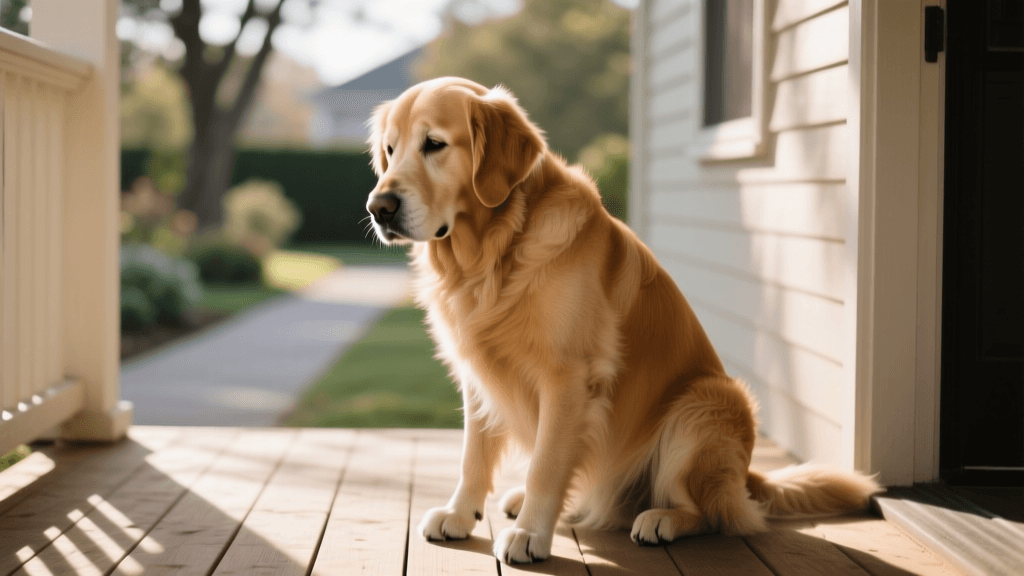
- Weight Shifting: While standing, the dog may constantly shift weight away from the affected limb, or adopt a hunched back posture to relieve pressure on the hips and spine.
- Altered Tail Carriage: A tucked or unusually low tail, even in typically confident breeds, signals physical insecurity and discomfort.
The Neurobiology of Canine Pain Sensitization
To truly understand why osteoarthritis alters your dog's behavior, we must look at the neurobiology of chronic pain. When a joint is continually inflamed, the peripheral nerves send a relentless stream of distress signals to the spinal cord and brain. Over time, the canine nervous system undergoes a process known as central sensitization. This means the nervous system becomes hyper-reactive, amplifying pain signals and even interpreting normal, non-painful touch as agonizing.
This neurological wind-up phenomenon explains why a dog with hip dysplasia or elbow OA might snap when you simply brush their fur or reach for their collar. It is not a sudden behavioral flaw; it is a physiological reflex driven by an overloaded nervous system. In 2026, veterinary behaviorists emphasize that treating the joint alone is insufficient; we must also calm the central nervous system to reverse these behavioral changes and restore the dog's baseline temperament.
2026 Osteoarthritis Treatment Protocols: Beyond the Limp
Treating the psychological burden of OA requires targeting the pain at its neurological source. The landscape of canine OA treatment has evolved dramatically. The U.S. Food and Drug Administration (FDA) highlights the importance of multi-modal approaches that address both inflammation and nerve sensitization.
Monoclonal Antibodies vs. Traditional NSAIDs
While Non-Steroidal Anti-Inflammatory Drugs (NSAIDs) like carprofen and meloxicam remain staples for reducing joint inflammation, they do not always address the central nervous system's pain memory. In 2026, anti-Nerve Growth Factor (anti-NGF) monoclonal antibodies, such as bedinvetmab (Librela), have revolutionized OA care. By neutralizing NGF, a protein that amplifies pain signals, these biologics stop the pain message before it reaches the brain. This not only restores mobility but dramatically reduces the anxiety and reactivity associated with chronic pain.
Comparing 2026 OA Treatments
| Treatment Category | Example (2026 Standard) | Mechanism of Action | Behavioral Benefit |
|---|---|---|---|
| Anti-NGF Biologics | Bedinvetmab (Librela) | Neutralizes Nerve Growth Factor to block pain signaling | Reduces anxiety, reactivity, and pacing by calming the nervous system |
| EP4 Receptor Antagonists | Grapiprant (Galliprant) | Targets specific prostaglandin receptors to reduce pain and inflammation | Improves willingness to play and interact without heavy GI side effects |
| Traditional NSAIDs | Carprofen / Meloxicam | Inhibits COX enzymes to reduce systemic inflammation | Restores basic mobility, reducing frustration related to movement barriers |
| Adjunct Neuropathic Pain | Gabapentin / Amantadine | Modulates central nervous system pain receptors | Improves sleep quality and reduces nighttime restlessness |
Note: Always consult your veterinarian before starting or changing any medication protocol. The American Animal Hospital Association (AAHA) strongly recommends individualized, multi-modal pain management plans.
Advanced Physical and Integrative Therapies
Medical management is most effective when paired with targeted physical rehabilitation. The goal of modern canine rehab is to maintain muscle mass, which acts as a vital shock absorber for degenerating joints, while avoiding the micro-trauma of high-impact exercises.
- Hydrotherapy and Underwater Treadmills: The buoyancy of water unloads up to 60% of a dog's body weight, allowing them to walk with a normal gait and rebuild atrophied muscles without joint compression. The hydrostatic pressure also helps reduce localized swelling.
- Class IV Therapeutic Laser: Photobiomodulation using Class IV lasers penetrates deep into the joint capsule to stimulate cellular repair, increase local blood flow, and reduce inflammatory cytokines. Many dogs show immediate improvements in willingness to climb stairs after a series of sessions.
- Acupuncture and Neuromodulation: Veterinary acupuncture has gained robust clinical backing for its ability to trigger the release of endogenous opioids and modulate nerve pathways, providing profound relief for spinal and peripheral joint pain.
Nutritional Psychiatry and Joint Nutraceuticals
The gut-brain-joint axis is a major focus of veterinary research in 2026. Systemic inflammation originating in the joints can cross the blood-brain barrier, contributing to neuroinflammation and the lethargy or grumpiness seen in arthritic dogs. Implementing a targeted nutritional strategy is vital.
- High-EPA Omega-3 Fatty Acids: Eicosapentaenoic acid (EPA) specifically inhibits the enzymes that degrade joint cartilage. A therapeutic dose is required to see anti-inflammatory benefits and improve cognitive mood markers.
- Green-Lipped Mussel (GLM): Rich in unique glycosaminoglycans and ETA, GLM supplements provide synergistic joint support and have been shown to improve mobility scores in clinical trials.
- Undenatured Type II Collagen (UC-II): This supplement works via oral tolerance, interacting with gut-associated lymphoid tissue to reduce the immune system's autoimmune attack on the dog's own joint cartilage.
Creating a Low-Stress Environment for Arthritic Dogs
Medical treatment must be paired with environmental modifications to support your dog's psychological need for safety and autonomy. When a dog feels physically secure, their stress hormones decrease, amplifying the effectiveness of medical treatments.
- Traction and Flooring: Slippery floors are a massive source of anxiety for arthritic dogs. Use interlocking foam mats or non-slip rugs in high-traffic areas to give your dog the confidence to walk without fear of falling.
- Orthopedic Support: Invest in high-density memory foam beds. In 2026, many therapeutic beds feature heated elements or cooling gel layers to soothe inflamed joints, encouraging deeper, more restorative sleep cycles.
- Accessible Resources: Use pet stairs or ramps for furniture and vehicles. Elevate food and water bowls to prevent painful neck and shoulder flexion during meals.
- Cognitive Enrichment: Because physical exercise must often be restricted, replace it with mental stimulation. Snuffle mats, frozen lick mats, and scent-work games tire the brain, releasing dopamine and serotonin that naturally combat the depression associated with chronic pain.
Conclusion: Treating the Whole Dog
Understanding canine osteoarthritis in 2026 means recognizing that joint disease is inextricably linked to behavioral health. By learning to read the subtle body language of pain, acknowledging the psychological toll of chronic discomfort, and utilizing advanced, nerve-targeting treatments, you can restore not just your dog's mobility, but their joy, personality, and peace of mind.
marcus-aldridge
All our authors care for dogs every day — read more of their work on the authors page.