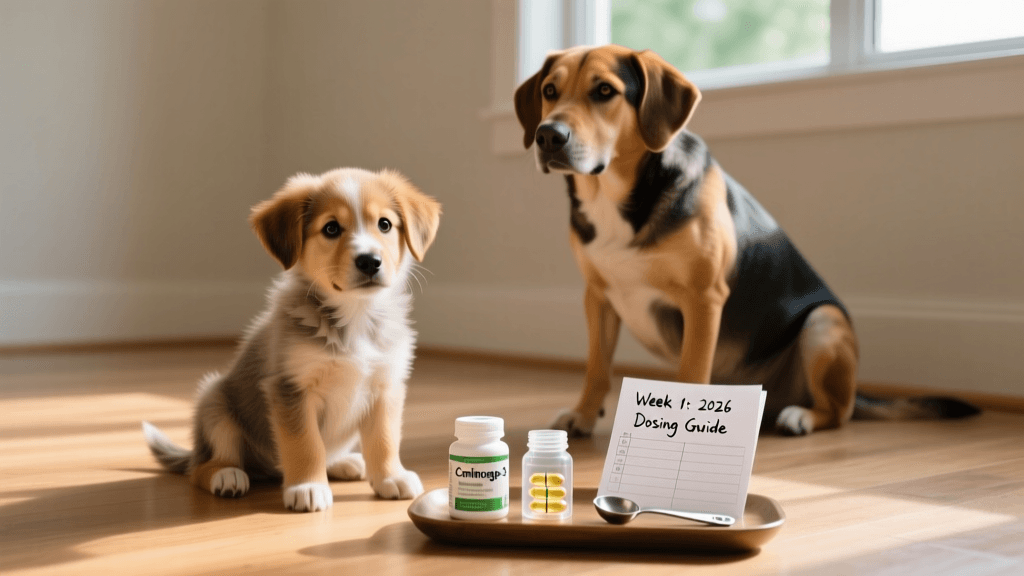
Omega-3 Starter Guide for New Puppies & Rescues 2026
Discover how to safely introduce Omega-3 supplements to your new puppy or rescue dog. Learn 2026 dosing, top product picks, and first-week schedules.
The Critical First 30 Days: Why Omega-3 Belongs in Your Starter Kit
Bringing a new puppy or a shelter rescue into your home is one of life’s most rewarding experiences, but the first 30 days are a critical window for setting the foundation of their long-term health. As you stock up on crates, enzymatic toothpaste, and puzzle toys, there is one first-day essential that often gets overlooked by new owners: Omega-3 fatty acids. In 2026, veterinary nutritionists increasingly recommend integrating high-quality Omega-3 supplements into a new dog’s diet from day one to mitigate transition stress, support rapid neural development in puppies, and repair systemic inflammation in shelter rescues.
When a dog transitions to a new home, their cortisol levels naturally spike. For shelter rescues, this is often compounded by months of suboptimal nutrition, leading to dull coats, dry skin, and compromised joint health. For puppies, the first few months are characterized by explosive brain growth and retinal development. Omega-3 fatty acids act as vital building blocks for cellular membranes, brain tissue, and anti-inflammatory pathways. According to the World Small Animal Veterinary Association (WSAVA), ensuring adequate intake of these essential fatty acids is a cornerstone of proactive canine nutrition, especially during periods of high physiological demand like early development or environmental transition.
Understanding EPA and DHA for Canine Development
Not all fats are created equal. When we talk about Omega-3s for dogs, we are primarily concerned with two marine-derived fatty acids: Eicosapentaenoic acid (EPA) and Docosahexaenoic acid (DHA). Plant-based Omega-3s, like Alpha-linolenic acid (ALA) found in flaxseed, are poorly converted into EPA and DHA by the canine liver, making them largely ineffective for therapeutic benefits.
DHA is the structural superstar for puppies. It is heavily concentrated in the brain and retina, directly influencing cognitive function, trainability, and vision. Studies have consistently shown that puppies supplemented with DHA during their first year of life demonstrate superior problem-solving skills and faster command retention.
EPA, on the other hand, is the metabolic workhorse for adult dogs and rescues. It regulates cellular inflammation, supports joint mobility, and promotes a healthy, lustrous coat. If you are adopting an older rescue dog showing early signs of hip stiffness or severe shelter-induced dandruff, EPA will be your primary focus. The Tufts Cummings School of Veterinary Medicine emphasizes that evaluating the specific EPA to DHA ratio is crucial when selecting a supplement tailored to your dog's immediate life stage and health needs.
Comparing Omega-3 Sources for Dogs in 2026
The pet supplement market has evolved significantly. In 2026, the focus is on bioavailability, sustainable sourcing, and triglyceride-form processing. Here is how the three primary Omega-3 sources compare for new dog owners:
| Source Type | EPA/DHA Profile | Bioavailability | Sustainability | 2026 Avg. Cost |
|---|---|---|---|---|
| Fish Oil (Salmon, Sardine) | High EPA & DHA | Excellent (Triglyceride form) | Moderate | $20 - $30 |
| Krill Oil | Moderate EPA/DHA | Superior (Phospholipid form) | High | $35 - $50 |
| Algae Oil (Vegan) | High DHA, Low EPA | Good | Very High | $25 - $40 |
Top 3 Omega-3 Products for New Dogs in 2026
To help you build your first-month kit, here are three highly rated, veterinarian-recommended Omega-3 products dominating the 2026 market:
- Nordic Naturals Omega-3 Pet (Liquid): Priced around $28, this is the gold standard for puppies. It is derived from wild anchovies and sardines, offering a perfectly balanced EPA/DHA ratio in a triglyceride form that is easily absorbed by developing digestive systems. The liquid format allows for precise micro-dosing for tiny breeds.
- Native Pet Wild Alaskan Salmon Oil (Pump): Retailing for about $24, this is a fantastic choice for multi-dog households or larger rescues. The 2026 formula features a new UV-protective bottle to prevent oxidation, and the pump mechanism makes it incredibly easy to mix into kibble or raw diets without the mess of traditional squeeze bottles.
- Zesty Paws Omega-3 Algae Bites (Soft Chews): At $32 for a 90-count bag, these are ideal for dogs with sensitive stomachs or fish allergies. Sourced from marine microalgae, they provide a potent dose of DHA without the marine odor, making them a favorite for owners living in small apartments.
How to Calculate the Right Dose for Your New Dog
Dosing Omega-3s is not a one-size-fits-all scenario. Overdosing can lead to gastrointestinal upset or impaired blood clotting, while underdosing will yield no therapeutic benefits. The general veterinary consensus for therapeutic dosing in 2026 is 50 to 75 mg of combined EPA and DHA per kilogram of body weight.
Here is a quick reference guide based on your new dog's weight:
- 10 lb Puppy (4.5 kg): 225 - 335 mg combined EPA/DHA daily.
- 30 lb Adult Rescue (13.6 kg): 680 - 1,020 mg combined EPA/DHA daily.
- 60 lb Large Breed (27.2 kg): 1,360 - 2,040 mg combined EPA/DHA daily.
Always read the label of your specific supplement to see how many milligrams of EPA and DHA are in each pump or capsule, as total fish oil volume is not the same as active Omega-3 content.
The 7-Day Integration Schedule
A common mistake new owners make is introducing supplements at full strength on the very first day. A sudden influx of dietary fat can cause severe diarrhea, which is incredibly stressful for a dog already adjusting to a new home. Follow this 7-day integration schedule to ensure a smooth transition:
- Day 1-2: Administer 25% of the target dose. Mix thoroughly into a small portion of wet food or a bland diet (like boiled chicken and rice).
- Day 3-4: Increase to 50% of the target dose. Monitor stool consistency. If stools become loose, hold at this level for an extra day.
- Day 5-6: Increase to 75% of the target dose. Begin mixing the oil or chew into their regular morning meal.
- Day 7: Reach 100% of the target dose. You can now split the dose between morning and evening feedings for optimal absorption.
Common Mistakes New Owners Must Avoid
As you navigate the overwhelming world of pet care, keep these critical safety warnings in mind regarding Omega-3 supplementation:
- Never Use Human Gummies: Many human Omega-3 gummies contain Xylitol (sometimes listed as birch sugar), an artificial sweetener that is highly toxic and potentially fatal to dogs. Always stick to canine-specific formulations.
- Beware of Rancid Oil: Omega-3s are highly susceptible to oxidation. If your liquid fish oil smells overwhelmingly rotten or sour, it has gone rancid and will cause inflammation rather than reduce it. Store liquid oils in the refrigerator after opening and discard them after 90 days.
- Avoid Heat Exposure: Never bake or cook with your dog's Omega-3 oil. High temperatures destroy the molecular structure of EPA and DHA, rendering the supplement useless. Always add it to the bowl after the food has been prepared and cooled.
By prioritizing Omega-3 fatty acids in your new dog's first-month starter kit, you are investing in their cognitive sharpness, joint longevity, and overall vitality. Welcome to the incredible journey of dog ownership!
tom-renshaw
All our authors care for dogs every day — read more of their work on the authors page.