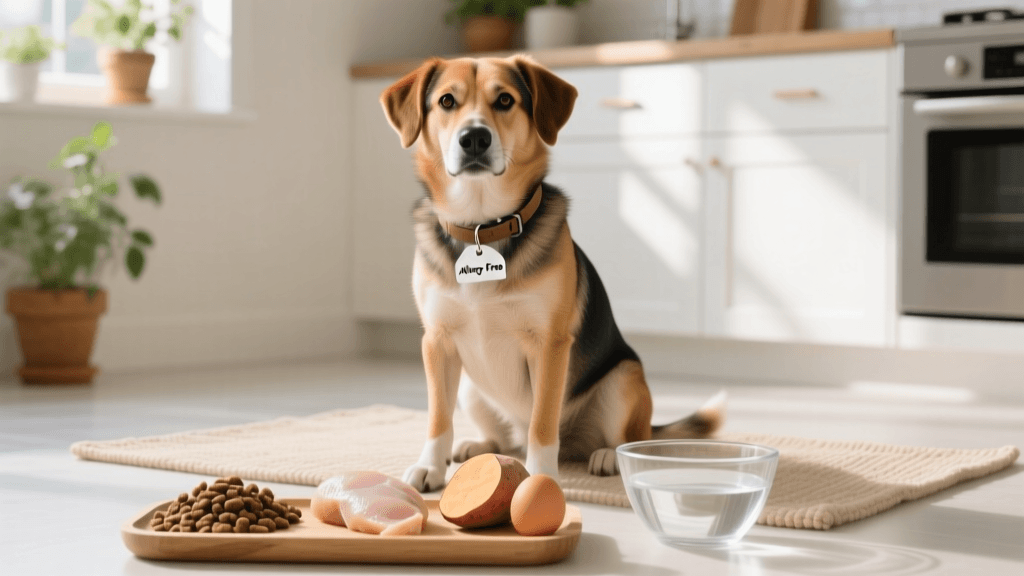
Canine Obesity Management: Calculating Calories and Portion Control
Learn how to manage canine obesity with precise calorie calculations, portion control strategies, and expert feeding tips to help your dog reach a healthy weight.

The Hidden Epidemic of Canine Obesity
Canine obesity is no longer just a cosmetic issue; it is a pervasive veterinary health crisis that significantly diminishes a dog's quality of life and lifespan. According to the American Kennel Club (AKC), excess weight in dogs is directly linked to a host of severe medical conditions, including osteoarthritis, type 2 diabetes, cardiovascular disease, and certain types of cancer. Despite the known risks, a staggering number of pet parents unknowingly overfeed their dogs, often out of love and a desire to reward them.
Managing your dog's weight requires a fundamental shift away from 'eyeballing' meals and free-feeding, moving toward a science-based approach centered on precise caloric calculations, strict portion control, and strategic feeding methods. By understanding the exact nutritional requirements of your dog and implementing actionable feeding strategies, you can help your furry companion achieve and maintain an optimal Body Condition Score (BCS).
Understanding Your Dog's Caloric Needs
The foundation of any successful weight management plan is knowing exactly how many calories your dog should consume daily. Feeding guidelines on the back of a kibble bag are notoriously generalized and often overestimate the caloric needs of the average, sedentary, spayed, or neutered pet. To get an accurate number, veterinary nutritionists recommend calculating your dog's Resting Energy Requirement (RER) and then applying a Maintenance Energy Requirement (MER) multiplier.
Step 1: Determine Resting Energy Requirement (RER)
The RER is the baseline number of calories your dog's body needs to maintain basic physiological functions while at rest. The standard veterinary formula for calculating RER is:
RER = 70 × (Body Weight in kg)^0.75
For example, if your dog currently weighs 30 kg (approximately 66 lbs), the calculation would be: 70 × (30)^0.75, which equals roughly 896 calories per day. This is the energy required just to exist, not accounting for daily activity or weight loss goals.
Step 2: Apply the Maintenance Multiplier
Once you have the RER, you must multiply it by a factor that represents your dog's life stage, activity level, and weight goals. According to guidelines established by the World Small Animal Veterinary Association (WSAVA), common multipliers include:
- Weight Loss: 0.8 × RER (for safe, gradual weight reduction)
- Neutered Adult (Maintenance): 1.6 × RER
- Intact Adult (Maintenance): 1.8 × RER
- Senior / Inactive Dog: 1.2 to 1.4 × RER
If our 30 kg dog is a neutered adult needing to lose weight, you would multiply the RER (896) by the weight loss factor (0.8), resulting in a target daily intake of approximately 716 calories. It is highly recommended to consult with your veterinarian before initiating a caloric restriction to ensure underlying metabolic conditions, like hypothyroidism, are ruled out.
The Flaw of the Measuring Cup: Why Grams Matter
One of the most common pitfalls in canine nutrition is the reliance on standard measuring cups. A landmark study conducted by the Tufts University Cummings Veterinary Medical Center revealed that pet owners using measuring cups frequently misjudge portion sizes, with variations of up to 20% or more depending on how the kibble is scooped, shaken, or leveled. Over just a few weeks, an extra 10 to 15 kibble pieces per day can lead to significant weight gain in small to medium-sized breeds.
Actionable Advice: Ditch the measuring cup and invest in a digital kitchen scale. Weighing your dog's food in grams is the single most effective way to ensure portion accuracy. Check the caloric density of your specific dog food (usually listed on the bag as 'kcal/kg' or 'kcal/cup'). Use a simple cross-multiplication formula to determine exactly how many grams of that specific food equals your dog's daily caloric target. Divide this total gram weight into two or more daily meals to maintain stable blood sugar levels and prevent begging behavior.
Strategic Feeding Methods for Weight Loss
How you feed your dog is just as important as what you feed them. Modifying the feeding environment and method can drastically improve satiety and reduce anxiety-related begging.
Ditch the Free-Feeding Bowl
Leaving a bowl of kibble out all day (free-feeding) is a recipe for obesity. Dogs are naturally opportunistic eaters and will often consume food out of boredom rather than biological hunger. Transition immediately to scheduled meal feeding—typically twice a day, 12 hours apart. Remove any uneaten food after 15 to 20 minutes to establish a routine and reinforce that meal times are structured.
Utilize Slow Feeders and Food Puzzles
Dogs that eat too quickly are prone to aerophagia (swallowing air), bloat, and poor satiety signaling. Incorporating enrichment feeders turns mealtime into a mental workout. Products like the KONG Classic, West Paw Toppl, or Outward Hound Fun Feeder slow bowls force dogs to forage and problem-solve for their kibble. This extends a 2-minute meal into a 15-minute cognitive exercise, burning a few extra calories and releasing dopamine, which helps satisfy their psychological need to 'hunt' and chew.
The 10% Treat Rule and Caloric Substitutions
Treats are the silent saboteurs of weight loss diets. Veterinary nutritionists universally recommend the '10% Rule': treats and chews should never constitute more than 10% of your dog's total daily caloric intake. The remaining 90% must come from a complete and balanced diet. When training heavily, substitute commercial, high-fat treats with low-calorie alternatives or simply use a portion of your dog's measured daily kibble allowance as training rewards.
Caloric Impact of Common Treats
Understanding the caloric density of popular treats can be eye-opening. Below is a comparison chart to help you make smarter snacking choices for a 30 lb dog on a weight management plan (Target: ~600 kcal/day).
| Treat Type | Average Calories (Per Piece/Serving) | Health Impact & Diet Suitability |
|---|---|---|
| Standard Milk-Bone Biscuit (Medium) | 40 kcal | High in carbohydrates; limit to 1 per day max. |
| Pig Ear Chew | 230 kcal | Extremely high in fat; avoid entirely during weight loss. |
| Baby Carrots (Raw) | 4 kcal (per carrot) | Excellent low-calorie crunch; high in fiber and vitamins. |
| Green Beans (Canned, Low Sodium) | 2 kcal (per tablespoon) | Great for bulking up meals to increase satiety without calories. |
| Freeze-Dried Chicken Breast | 10 kcal (per small piece) | High-value, single-ingredient protein; ideal for training. |
Monitoring Progress and Adjusting the Plan
Weight loss in dogs should be gradual and steady. A safe rate of loss is between 1% to 2% of their total body weight per week. Rapid weight loss can lead to muscle wasting and nutritional deficiencies. Weigh your dog every two to four weeks using the same scale, and keep a detailed log of their daily gram intake, exercise duration, and treat consumption.
Additionally, learn to assess your dog's Body Condition Score (BCS). You should be able to easily feel their ribs without pressing hard, and they should have a visible 'tuck' at the abdomen when viewed from the side and above. If your dog's weight loss stalls for more than three weeks despite strict adherence to the calculated caloric limit, consult your veterinarian. They may recommend a therapeutic metabolic diet formulated with specific fiber profiles and nutrient blends designed to upregulate the dog's metabolism and promote fat loss while preserving lean muscle mass.
Conclusion
Combating canine obesity requires diligence, precision, and a commitment to long-term lifestyle changes. By calculating exact caloric needs, utilizing a digital kitchen scale for portion control, embracing interactive feeders, and strictly managing treat intake, you take proactive control of your dog's health. Remember, every gram counts, and the greatest reward you can give your dog is not an extra treat, but the gift of a longer, healthier, and more active life by your side.
hannah-wickes
All our authors care for dogs every day — read more of their work on the authors page.