Agility Dog Joint Health & Conditioning Guide for 2026 Competitions
Discover the ultimate 2026 guide to canine agility conditioning, joint health, and injury prevention to keep your competition dog performing at their peak.
The Biomechanical Demands of Modern Agility
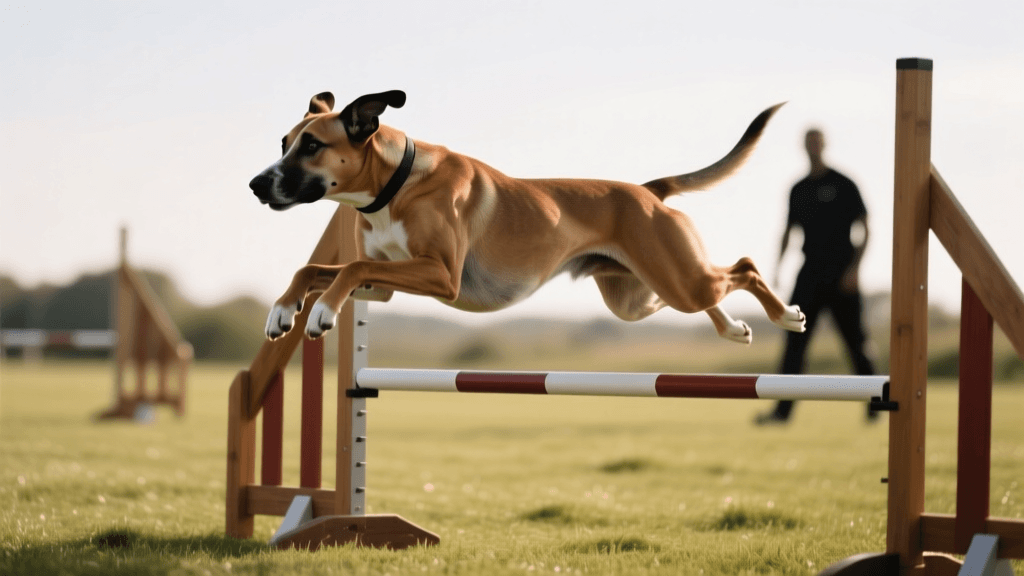
As the 2026 canine agility season kicks off, the athleticism required to compete at the highest levels has never been greater. Modern agility courses feature tighter turns, faster sequences, and more complex obstacle discriminations than ever before. When a 50-pound dog launches off a dog walk or decelerates to enter the weave poles, the physical forces exerted on their joints can exceed three to four times their body weight. This immense biomechanical stress makes proactive joint health and targeted physical conditioning an absolute necessity for any serious competitor.
Standard daily walks and weekend fetch sessions are simply insufficient to prepare a canine athlete for the rigors of the agility ring. According to the American Kennel Club agility resources, dogs that engage in structured, sport-specific conditioning programs experience significantly fewer soft tissue injuries and enjoy longer, more successful competitive careers. In 2026, the focus of veterinary sports medicine has shifted heavily toward preventative micro-conditioning and holistic joint support, ensuring our canine partners remain sound and enthusiastic throughout their lives.
2026 Conditioning Protocols: Building the Canine Athlete
A comprehensive conditioning program for an agility dog must address three primary pillars: core stability, proprioception, and explosive power control. Building a 'bulletproof' dog requires consistency, utilizing specialized canine fitness equipment that has become a staple in the 2026 training landscape.
Core Strengthening and Spinal Stability
The core muscles act as the dog's primary shock absorbers. A weak core forces the peripheral joints—specifically the shoulders, carpus (wrists), stifles (knees), and hocks (ankles)—to absorb excessive impact. Exercises utilizing inflatable balance equipment, such as the FitPAWS Donut or Peanut, force the dog to engage their deep stabilizing muscles. Simple exercises like 'sit-to-stand' repetitions on an unstable surface, or holding a 'paws-up' position on a balance disc for 30 seconds, build immense foundational strength.
Proprioception and Balance Training
Proprioception is the dog's awareness of where their body is in space. Enhancing this sense is critical for preventing missteps on the A-frame and teeter. Cavaletti rail work remains the gold standard for 2026 conditioning. By setting up low poles at varying, irregular distances, you force the dog to think about foot placement, lift their paws higher, and articulate their joints through a full range of motion. This not only strengthens the supporting musculature but also builds vital neural pathways that improve reaction times on course.
Nutritional Support and Joint Supplements in 2026
Even with perfect conditioning, the repetitive impact of agility necessitates robust nutritional support. The FDA guidelines on canine joint health emphasize the importance of starting joint supplementation early in a sporting dog's career, rather than waiting for the visible onset of osteoarthritis. In 2026, the market is saturated with joint chews, but veterinary sports medicine specialists recommend focusing on clinically proven, high-bioavailability ingredients.
Below is a comparison of the most highly recommended joint support compounds for active agility dogs this year, including current market pricing and standard dosing guidelines for a medium-sized (50 lb) canine athlete.
| Supplement Compound | Primary Benefit | 2026 Avg. Monthly Cost | Recommended Dosage (50lb Dog) |
|---|---|---|---|
| UC-II Collagen | Prevents cartilage breakdown via immune modulation | $35 - $45 | 40mg daily |
| Green Lipped Mussel | Reduces systemic inflammation naturally | $25 - $40 | 15mg per lb daily |
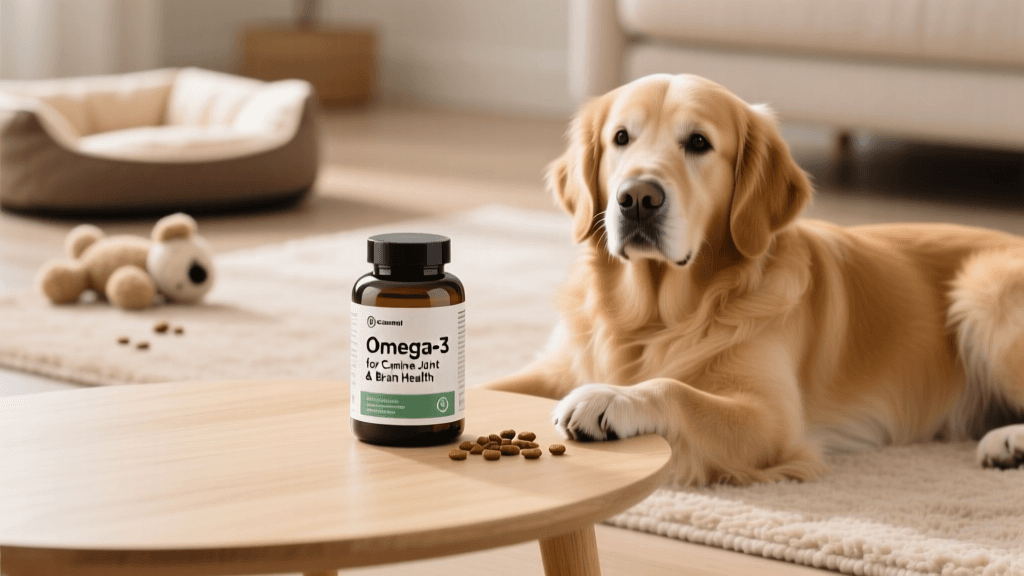
| EPA/DHA Omega-3s | Enhances synovial joint lubrication | $20 - $35 | 1000mg combined EPA/DHA |
| Eggshell Membrane | Provides natural glucosamine and chondroitin | $30 - $50 | 250mg daily |
When selecting a supplement, always look for products that carry the National Animal Supplement Council (NASC) seal, ensuring the manufacturing facility adheres to strict 2026 quality control and ingredient transparency standards.
Dynamic Warm-Ups and Active Recovery Routines
One of the most common mistakes handlers make is taking a dog directly from a crate to the start line. Cold muscles and stiff joints are highly susceptible to tears and sprains. A proper 2026 agility warm-up should take 10 to 15 minutes and focus on dynamic, movement-based stretching rather than static holding.
The Pre-Run Dynamic Warm-Up
- Brisk Trotting: 3-5 minutes of loose-leash trotting to elevate the core body temperature and increase blood flow to the muscles.
- Figure-Eights: Walking the dog in tight figure-eight patterns through your legs to promote lateral spinal flexion and loosen the hips.
- Play Bows: Encouraging the dog to perform repeated play bows to stretch the shoulder assembly and triceps.
- Spin and Twist: Asking for rapid, controlled spins in both directions to mobilize the spine and engage the core.
Post-Run Active Recovery
Cooling down is equally critical. After a run, allow the dog to walk for five minutes to gradually lower their heart rate. Once the dog is completely cool to the touch, utilize effleurage massage—long, sweeping strokes along the muscle bellies of the hindquarters and shoulders—to flush lactic acid. For older dogs or those competing in multi-day trials, incorporating passive range of motion (PROM) exercises on the major joints helps maintain mobility between runs.
Recognizing Micro-Traumas and Early Fatigue
Agility dogs are notorious for masking pain; they will run through discomfort to stay in the game with their handler. Recognizing the subtle, early signs of fatigue and micro-trauma is a vital skill for preserving long-term joint health. According to the ASPCA's comprehensive guide to dog arthritis, early intervention is the key to managing joint degradation effectively.
Watch for these subtle indicators during training and competition:
- Knocking Bars: A sudden increase in dropped jump bars often indicates shoulder fatigue or early carpal soreness, rather than a lack of training.
- Wide Turns: If your dog begins taking wider lines on jumps or the weave poles, they may be compensating for spinal stiffness or hind-end weakness.
- Tongue Shape: A panting dog with a 'spoon-shaped' or widened tongue is experiencing cardiovascular and muscular fatigue, signaling it is time to end the training session immediately.
- Reluctance to Crate: Hesitation when asked to jump into a crate or onto a bed is a classic hallmark of spinal or hind-limb joint discomfort.
Advanced 2026 Recovery Modalities
Beyond basic massage, many elite competitors in 2026 are integrating advanced recovery modalities into their dogs' routines. Photobiomodulation (cold laser therapy) has become highly accessible, with portable, FDA-cleared units allowing handlers to administer cellular-level healing to sore joints right at the trial grounds. Additionally, canine hydrotherapy, particularly underwater treadmills, provides a zero-impact environment for maintaining cardiovascular fitness and muscle mass while giving weight-bearing joints a much-needed break from the impact of the agility field.
Conclusion
Competing in canine agility is a thrilling partnership, but it carries a profound responsibility to protect our dogs' physical well-being. By implementing structured conditioning protocols, utilizing targeted 2026 joint nutrition, and committing to rigorous warm-up and recovery routines, you can safeguard your dog's joints against the demands of the sport. Prioritize their long-term health over short-term ribbons, and you will ensure your canine athlete remains happy, sound, and eager to run for many seasons to come.
priya-sutaria
All our authors care for dogs every day — read more of their work on the authors page.