Best Dog Breeds for Remote Workers in 2026: Top 5 Calm Picks
Discover the best dog breeds for remote workers in 2026. Find calm, low-barking WFH companions that boost productivity without disrupting Zoom calls.
The 2026 WFH Paradigm: What Makes a Great Office Dog?
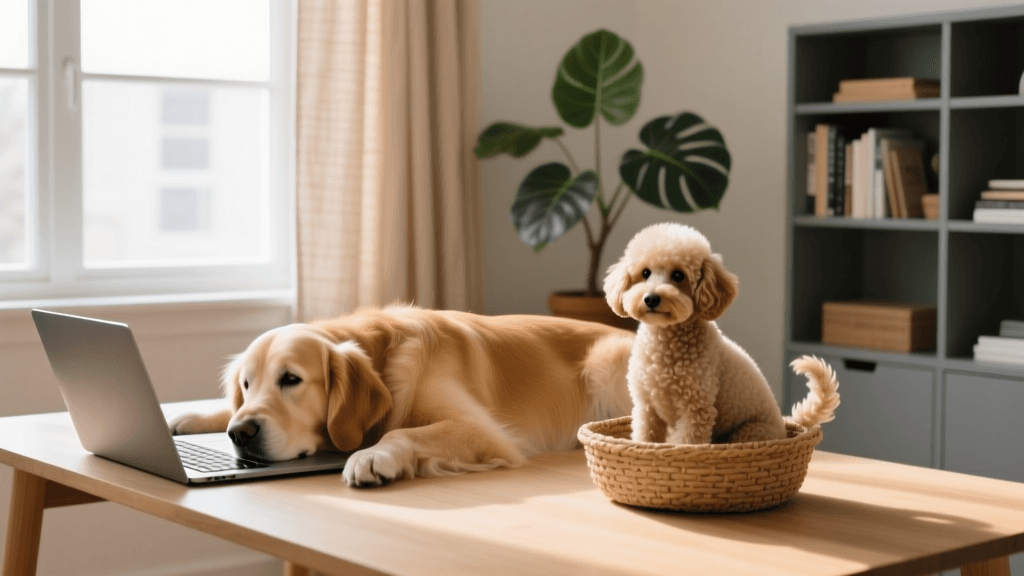
As we navigate the fully established remote work culture of 2026, the home office has evolved from a makeshift desk in the corner to a dedicated, optimized sanctuary. For millions of professionals, this sanctuary is shared with a canine companion. However, not every dog is cut out for the work-from-home (WFH) lifestyle. While the idea of a furry friend sleeping at your feet during a deep-work coding session or a long strategy meeting sounds idyllic, the reality of unpredictable barking, high-energy demands, and separation anxiety can severely impact your productivity.
When selecting the best dog breeds for remote workers, the criteria are highly specific. You need a dog with low vocalization tendencies (nobody wants a dog barking at a delivery drone during a Q3 financial review), moderate to low indoor energy levels, and a degree of independence. According to the ASPCA's general dog care guidelines, understanding a breed's inherent temperament and exercise requirements is crucial for maintaining a harmonious household, especially when your living space doubles as your corporate headquarters.
In this guide, we break down the top five dog breeds perfectly suited for the 2026 remote worker, complete with a comparison chart and actionable tips for optimizing your home office setup.
Top 5 Dog Breeds for Remote Workers
1. The Greyhound: The 45-MPH Couch Potato
It might seem counterintuitive to recommend a retired racing breed for a sedentary home office, but Greyhounds are famously known as "45-mph couch potatoes." Despite their athletic background, adult Greyhounds are incredibly lazy indoors. They are sprinters, not marathon runners, meaning a brisk 20-minute morning walk and a quick evening sprint in a fenced area are entirely sufficient to meet their exercise needs. For the rest of the day, they are content to curl up on an orthopedic bed under your desk and sleep for up to 18 hours. They are exceptionally quiet, rarely barking, making them the ultimate stealth companions for uninterrupted virtual meetings.
2. The Basset Hound: The Sleepy Desk Rug
If your ideal workday involves a dog that acts as a heavy, snoring paperweight, the Basset Hound is your perfect match. Bassets are notoriously low-energy and stubborn, meaning they are highly unlikely to interrupt your workflow by dropping a slobbery toy in your lap every twenty minutes. Their calm demeanor and low-pitched, infrequent vocalizations make them excellent WFH partners. The primary drawback is their shedding and occasional drooling, so keeping a specialized pet-safe vacuum robot mapped to your office zone is highly recommended for maintaining a professional backdrop.
3. The Cavalier King Charles Spaniel: The Affectionate Lap Warmer
For remote workers who crave physical touch and emotional support during stressful deadlines, the Cavalier King Charles Spaniel is the premier choice. Cavaliers are bred to be companion dogs, and they excel at reading human emotions. They will happily snooze in your lap or on a heated pet pad beside your chair while you type away. They are generally quiet and adapt beautifully to the rhythm of your workday. However, they do suffer from separation anxiety if left entirely alone, making them ideal for professionals who work from home 90% to 100% of the time.
4. The Shiba Inu: The Independent Cat-Dog
The Shiba Inu is often described as having a cat-like personality. They are fastidiously clean, relatively quiet, and highly independent. Unlike herding breeds that demand constant engagement and validation, a Shiba is perfectly content to observe you from a nearby sunbeam while you tackle your inbox. They are fiercely loyal but not overly clingy. The trade-off is that Shibas can be stubborn and require firm, consistent training from puppyhood. They are best suited for experienced dog owners who appreciate a quiet, dignified, and low-maintenance office mate.
5. The Standard Poodle: The Smart, Trainable Listener
While Toy and Miniature Poodles can be yappy, the Standard Poodle is a remarkably calm, dignified, and highly intelligent breed. Their intelligence makes them exceptionally easy to train for WFH-specific commands like "settle on your mat" or "quiet." Furthermore, their low-shedding, hypoallergenic coats are a massive benefit for keeping your home office clean and ensuring your air quality remains optimal during long hours indoors. A Standard Poodle will require a solid morning run or intense fetch session to burn off mental and physical energy, after which they will happily act as a silent sentinel for your workday.
WFH Dog Breed Comparison Chart
| Breed | Indoor Energy | Barking Level | Grooming Needs | WFH Suitability |
|---|---|---|---|---|
| Greyhound | Very Low | Very Low | Low | 9.5/10 |
| Basset Hound | Low | Low | Moderate | 8.5/10 |
| Cavalier King Charles | Moderate | Low | Moderate | 9.0/10 |
| Shiba Inu | Moderate | Low to Moderate | Moderate | 8.0/10 |
| Standard Poodle | Moderate (Post-Exercise) | Low (When Trained) | High | 9.0/10 |
Optimizing Your Home Office for Your Dog in 2026
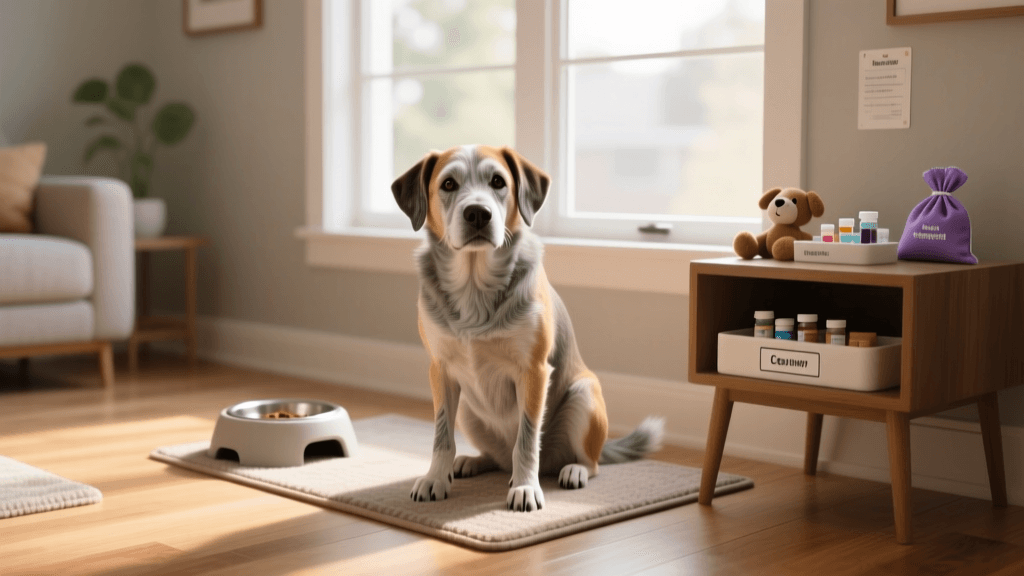
Choosing the right breed is only half the equation. To maintain peak productivity in 2026, your home office must be ergonomically designed for both you and your dog. Here are the essential upgrades for the modern WFH setup:
- Under-Desk Orthopedic Beds: Invest in a low-profile, cooling memory foam bed that slides neatly under a standard 72-inch desk. This gives your dog a designated "work zone" that keeps them out from under your rolling chair.
- Automated Enrichment Toys: During deep-work blocks where you cannot interact with your dog, utilize smart snuffle mats and automated lick-mat dispensers. These provide mental stimulation and release endorphins, keeping your dog calm and occupied for up to an hour.
- AI Pet Cameras: Modern pet cameras now feature AI-driven behavioral analytics that can alert you if your dog is showing signs of stress or excessive pacing while you are in a different room taking a private call.
- Sound Masking: Use a white noise machine or a smart speaker playing ambient brown noise near your dog's bed. This masks the sound of delivery vehicles or neighborhood noises that might trigger a barking response.
Managing Barking During Important Calls
Even the quietest breeds can be triggered by unexpected events, like a virtual doorbell ring or a loud siren outside. Managing vocalizations is critical for remote professionals. The American Kennel Club recommends teaching a "quiet" command using positive reinforcement, rewarding the dog only when they have ceased barking and are in a settled position.
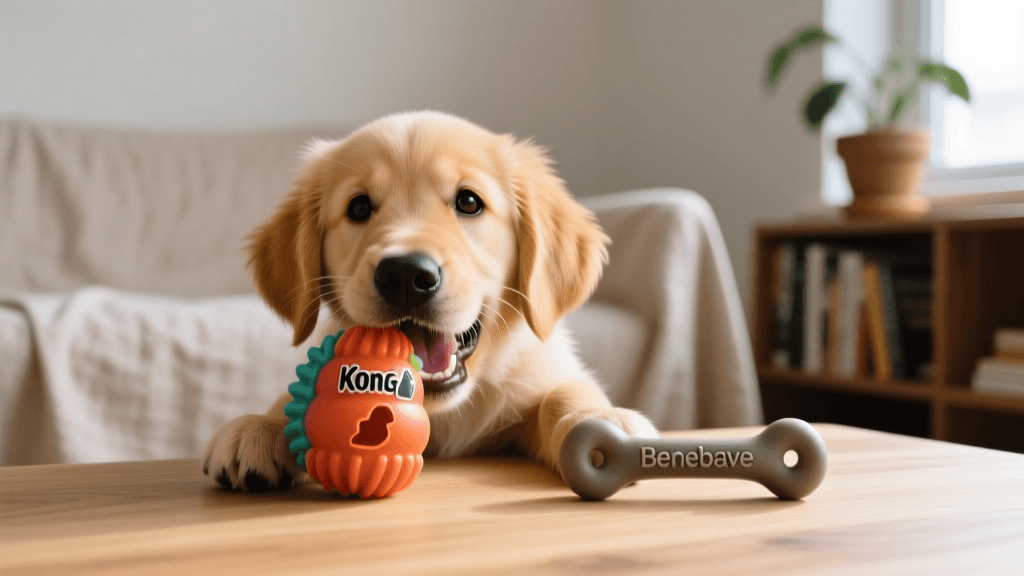
Additionally, the American Veterinary Medical Association emphasizes the importance of ruling out underlying medical issues or anxiety disorders if a dog exhibits sudden, unexplained vocalizations. For WFH professionals, proactive management is key. Keep high-value, long-lasting chews (like yak milk chews or stuffed Kongs) in your desk drawer specifically reserved for high-stakes meetings. Giving your dog a chew right before a major presentation leverages their natural instinct to gnaw, which is inherently soothing and keeps their mouth occupied.
"The most successful remote workers treat their dog's daily routine with the same level of scheduling rigor as their corporate calendar. A predictable schedule of morning exercise, midday enrichment, and afternoon naps eliminates the behavioral surprises that disrupt the workday."
Sample Daily WFH Routine with Your Dog
To help you visualize life with a WFH dog, here is a sample schedule that balances professional obligations with canine care:
- 7:00 AM: Wake up, bathroom break, and a 30-minute brisk walk or sniffari to drain morning energy.
- 8:30 AM: Breakfast and a 15-minute training session focusing on "place" and "settle" commands.
- 9:00 AM - 12:00 PM: Deep work block. Dog is on their under-desk bed with a frozen lick mat.
- 12:00 PM: Lunch break. Take the dog for a 15-minute potty break and a quick game of tug in the yard.
- 1:00 PM - 4:00 PM: Meetings and collaborative work. Dog is napping. White noise machine is on.
- 4:00 PM: Afternoon break. 20 minutes of active play or a trip to a local dog park to socialize.
- 5:00 PM: Wrap up work. Dog is given a long-lasting chew while you finalize emails.
Final Thoughts
Sharing your home office with a dog is one of the greatest perks of the modern remote work era. By selecting a breed that aligns with your professional demands—prioritizing low energy, quiet temperaments, and independence—you can enjoy the mental health benefits of canine companionship without sacrificing your career trajectory. Whether you choose the silent grace of a Greyhound or the intelligent calm of a Standard Poodle, the key to success in 2026 lies in proactive training, environmental enrichment, and a well-structured daily routine.
beth-carrasco
All our authors care for dogs every day — read more of their work on the authors page.