Best Dog Breeds For Remote Workers In 2026: Top 5 Picks
Discover the best dog breeds for remote workers in 2026. Find calm, low-barking companions perfect for your home office setup and daily Zoom calls.
The Rise of the Home Office Hound in 2026
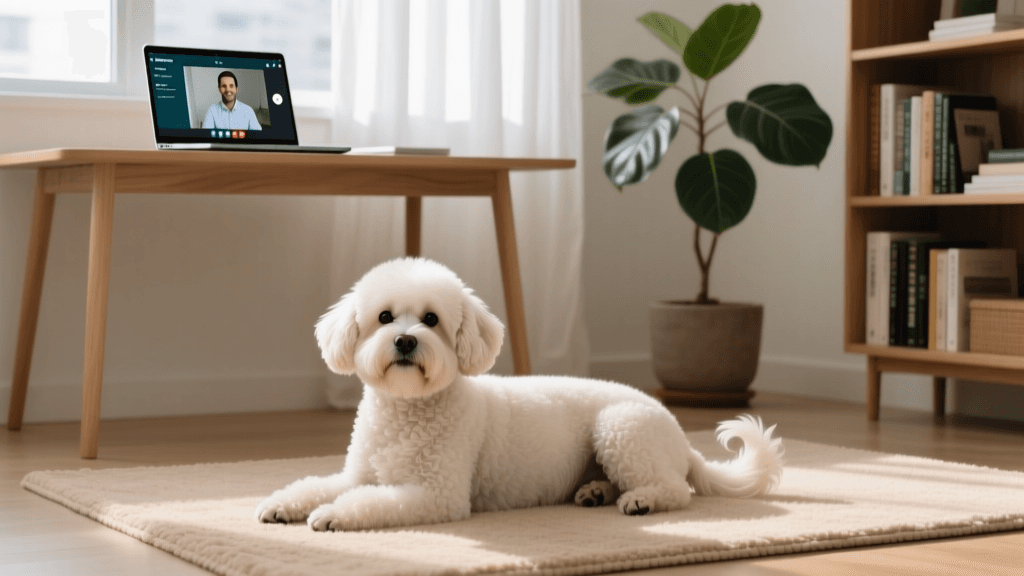
As we settle into the permanent hybrid and fully remote work models of 2026, the home office has evolved from a temporary desk in the corner to a fully optimized, pet-friendly command center. According to Buffer's State of Remote Work, a vast majority of knowledge workers now prioritize pet companionship during their workday to combat isolation and boost mental health. However, sharing your workspace with a canine colleague comes with unique challenges. A sudden bout of barking during a client presentation or a high-energy dog demanding play during deep-focus coding sessions can derail your productivity.
Choosing the right dog for a remote work lifestyle requires looking beyond cute puppy pictures. You need a companion whose temperament aligns with the rhythms of video calls, email marathons, and quiet concentration. In this guide, we break down the best dog breeds for remote workers in 2026, complete with actionable home office setup tips and daily routines to keep both you and your furry coworker thriving.
What Makes a Great Remote Work Dog?
Before diving into specific breeds, it is crucial to understand the traits that make a dog an ideal home office companion. Not all dogs are suited for the 9-to-5 indoor lifestyle. The best remote work dogs typically share the following characteristics:
- Low Vocalization: Breeds that are naturally quiet or easily trained to use an 'inside voice' are essential for maintaining professionalism on Zoom or Microsoft Teams.
- Moderate to Low Energy: While all dogs need exercise, a remote work dog shouldn't require three hours of intense running while you are trying to finish a quarterly report. 'Couch potato' breeds that excel at napping are ideal.
- Independence: Dogs that can self-soothe and entertain themselves with a chew toy while you are in a virtual meeting are far less likely to develop nuisance behaviors.
- Adaptability to Indoor Spaces: Whether you work from a spacious suburban house or a compact urban apartment, the best breeds adapt well to indoor boundaries and respect the 'office zone'.
For a deeper dive into breeds that won't interrupt your calls, the American Kennel Club's guide on quiet dog breeds is an excellent resource for understanding baseline breed temperaments.
Top 5 Best Dog Breeds for Remote Workers
1. Greyhound
Often misunderstood as high-strung racing dogs, Greyhounds are actually the ultimate '45-mph couch potatoes.' In 2026, retired racing Greyhounds and rescue sighthounds remain incredibly popular among remote workers who live in apartments or homes with small, fenced yards. Greyhounds sleep up to 18 hours a day. They are exceptionally quiet, rarely barking unless there is a genuine reason, and they are perfectly content to curl up on a large orthopedic bed under your desk while you work. A brisk 30-minute morning walk and a short evening sprint are usually all they need to be completely satisfied.
2. Cavalier King Charles Spaniel
If your ideal workday involves a warm weight on your lap while you type, the Cavalier King Charles Spaniel is your perfect match. Known for their gentle, affectionate, and eager-to-please nature, Cavaliers are the quintessential lap dogs. They are highly attuned to their owner's emotions, making them excellent stress-relievers during high-pressure work weeks. They are generally quiet and adapt well to the rhythm of your household. Note that responsible 2026 breeding practices heavily emphasize cardiac screening, so always request OFA heart clearances when adopting or purchasing a Cavalier to mitigate the risk of mitral valve disease.
3. Whippet
Think of the Whippet as the Greyhound's more compact, apartment-friendly cousin. Whippets are incredibly clean, virtually odorless, and famously quiet. They are sensitive dogs that form deep bonds with their primary caretaker, often following their remote-working human from the home office to the kitchen for coffee refills. Because they have very short coats and low body fat, they appreciate a warm office environment and will happily burrow under a designated office blanket during your afternoon slump. Their moderate exercise needs are easily met with a game of flirt-pole in the backyard during your lunch break.
4. Basset Hound
For the remote worker who appreciates a slower pace and a dog with immense personality, the Basset Hound is a stellar choice. Bassets are famously low-energy and stubborn, which translates beautifully to a dog that will happily ignore you while you are busy on a conference call. They are not prone to nervous, high-pitched barking, though they will let out a deep, resonant 'boof' when the doorbell rings. Their short legs mean they don't require massive amounts of space, but their powerful noses do require daily 'sniffaris' to keep their minds enriched while you tackle your inbox.
5. Japanese Chin
The Japanese Chin is an ancient toy breed that was literally developed to sit in the laps of royalty and provide quiet companionship. They are often described as 'cat-like' due to their tendency to groom themselves with their paws and their preference for high vantage points (like the back of your office sofa). Chins are remarkably quiet, highly intelligent, and possess a dignified independence that means they won't constantly demand your attention when you are in deep focus mode. They are perfect for remote workers in smaller urban apartments who want a sophisticated, low-maintenance companion.
Breed Comparison Chart for Home Office Compatibility
Use the table below to quickly compare how these breeds fit into different remote work environments and living situations.
| Breed | Energy Level | Barking Level | Space Needed | Best For... |
|---|---|---|---|---|
| Greyhound | Low (Sprinter) | Very Low | Medium/Large | Workers who take a mid-day walk but need quiet focus time. |
| Cavalier King Charles | Moderate | Low | Small/Medium | Workers who want an affectionate lap dog for emotional support. |
| Whippet | Moderate | Very Low | Small/Medium | Apartment dwellers needing a clean, quiet, and sensitive companion. |
| Basset Hound | Low | Low (Deep vocal) | Medium | Casual environments where a slow-paced, humorous dog is welcome. |
| Japanese Chin | Low | Very Low | Small | Urban remote workers wanting an independent, cat-like toy breed. |
Setting Up Your 2026 Home Office for Your Dog
Having the right breed is only half the equation. To maintain productivity and ensure your dog's well-being, your physical workspace must be optimized for both of you.
Tech and Monitoring
Even the calmest dog needs supervision when you step away for a long meeting in another room or a coffee shop run. In 2026, the Furbo 360 Pet Camera (retailing around $220) remains a top-tier investment for remote workers. Its auto-panning feature tracks your dog as they move around the office, and the two-way audio allows you to soothe them with your voice if they become restless. Alternatively, the Wyze Cam v4 with Pet AI offers a budget-friendly option (under $50) that specifically distinguishes between human and pet movement, sending you smart alerts only when your dog is active.
Ergonomic Resting Spots
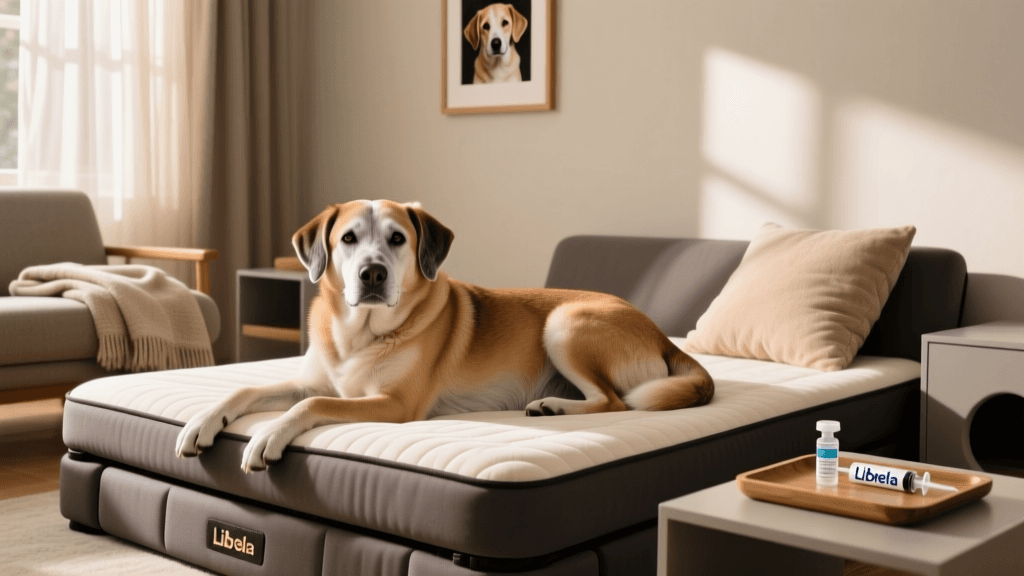
Your dog will likely spend 6 to 8 hours a day in your office. Hard floors can lead to joint issues over time. Invest in a high-quality orthopedic bed. The Big Barker 7-inch Orthopedic Dog Bed (approx. $350) is clinically proven to protect joints and is covered by a 10-year warranty, making it a staple for larger breeds like Greyhounds. For smaller breeds like the Japanese Chin or Cavalier, the Casper Dog Bed (approx. $130) offers excellent bolstered edges that mimic the feeling of resting against a wall, providing a sense of security.
Mid-Day Enrichment
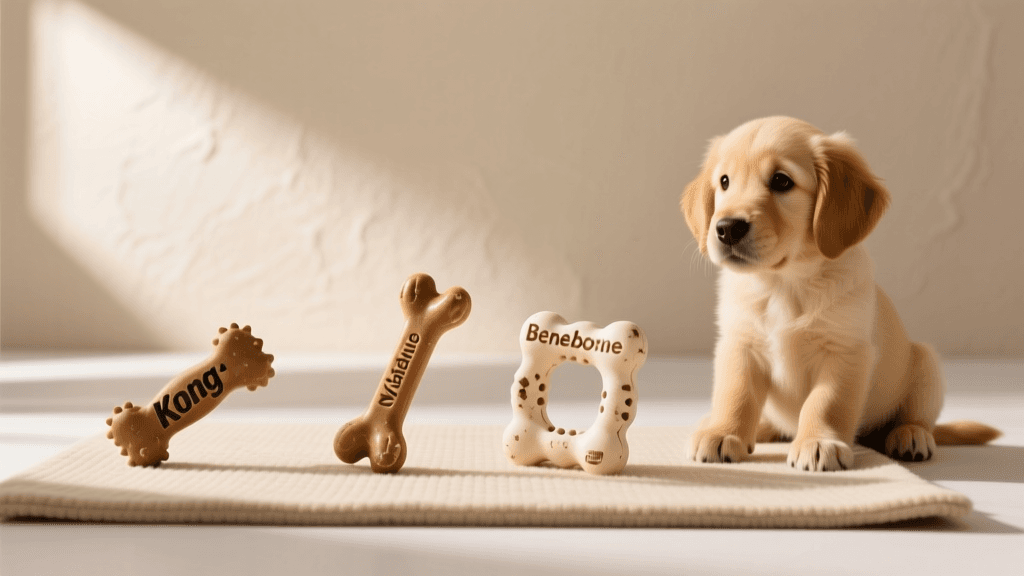
Boredom is the enemy of a quiet home office. When you have a 90-minute deep work block scheduled, provide your dog with passive enrichment. The Kong Classic stuffed with frozen peanut butter and kibble is a timeless solution. For mental stimulation without the calories, use a LickiMat Soother smeared with plain Greek yogurt and frozen overnight. Licking releases endorphins in dogs, naturally calming them down while you tackle complex tasks.
Managing the 'Return to Office' or Coffee Shop Days
One of the hidden dangers of remote work with a dog is accidental separation anxiety. If your dog is with you 24/7 in the home office, they may panic on the rare days you need to visit a corporate hub, attend an off-site meeting, or simply work from a local cafe.
To prevent this, practice 'planned absences.' According to the ASPCA's guidelines on separation anxiety, desensitization is key. Once or twice a week, put your dog in their safe zone with a high-value treat, leave the house for 20 minutes, and return calmly. This teaches your dog that your departure is temporary and not a cause for alarm. Furthermore, utilize the Pomodoro technique for your workday: work for 50 minutes, then spend 10 minutes engaging in active play or training with your dog. This structured routine ensures their social and physical needs are met without fragmenting your focus.
Conclusion
Sharing your home office with a dog in 2026 is one of the greatest perks of the modern remote work lifestyle. By selecting a breed that naturally aligns with the quiet, structured environment of a home workspace—like the Greyhound, Cavalier, Whippet, Basset Hound, or Japanese Chin—you set yourself up for a harmonious and productive career. Pair the right breed with smart pet tech, ergonomic resting spots, and a proactive routine, and your canine coworker will quickly become the best colleague you have ever had.
aaron-whyte
All our authors care for dogs every day — read more of their work on the authors page.