Biothane Long Line Sniffari Walks For Dog Bonding 2026
Discover how 2026 Sniffari decompression walks using Biothane long lines build deep trust and bond with anxious or reactive dogs through scent enrichment.
The Evolution of the Daily Walk in 2026
For decades, the standard advice for dog owners was to enforce a strict, heel-focused walk where the dog remained rigidly by the handler's side. However, modern canine behavioral science has completely shifted this paradigm. In 2026, veterinary behaviorists and professional trainers overwhelmingly advocate for the 'Sniffari' or decompression walk as a primary tool for relationship building, especially for anxious, reactive, or high-stress dogs. Bonding with your dog is not just about playing fetch or practicing obedience commands; it is deeply rooted in shared emotional regulation and providing your dog with a sense of autonomy and safety. By allowing your dog to explore their environment at their own pace using specialized gear like a Biothane long line, you transition from being a dictator of movement to a trusted provider of freedom and security.
What Exactly is a Sniffari Decompression Walk?
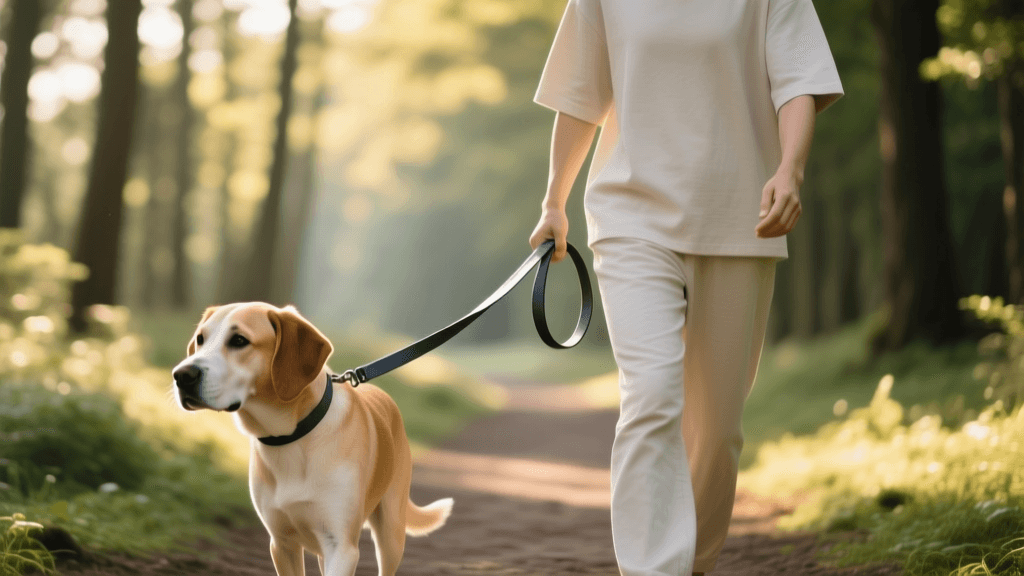
A Sniffari is a dedicated outing where the primary goal is mental enrichment through scent exploration rather than physical exercise or obedience training. During a decompression walk, your dog is given the length of a long line (typically 15 to 30 feet) to wander, sniff, dig, and observe their surroundings. The handler's role is to act as a supportive anchor, managing the leash to prevent tangles while allowing the dog to make choices about where to go and what to investigate. According to resources provided by The Humane Society, allowing dogs to engage with their environment naturally reduces stress and fulfills their innate biological drives, which is a foundational element of a healthy human-canine relationship.
The Neuroscience of Sniffing and Canine Trust
To understand why Sniffari walks are so powerful for bonding, we must look at canine neurology. A dog's olfactory system is exponentially more complex than a human's. When a dog sniffs, they are not just identifying odors; they are reading the chemical history of their environment. This intense mental focus triggers the release of dopamine, a neurotransmitter associated with pleasure and reward. Furthermore, the act of sniffing naturally lowers a dog's heart rate and reduces cortisol (the stress hormone) levels in their bloodstream. When you facilitate this calming, dopamine-rich experience for your dog, they begin to subconsciously associate your presence with feelings of safety, relaxation, and joy. Over time, this shared calm experience builds a profound layer of trust that traditional training sessions simply cannot replicate.
Essential 2026 Gear for Safe Sniffari Walks
To execute a successful decompression walk, you need gear that provides freedom without sacrificing safety. The equipment landscape in 2026 offers incredible advancements in materials and tracking technology, making long-line walks safer and more enjoyable than ever before.
| Gear Type | 2026 Recommendation | Estimated Cost | Primary Benefit |
|---|---|---|---|
| Long Line | 15-30ft Biothane (Waterproof) | $35 - $65 | Zero friction burn, easy to clean, no tangling |
| Harness | Y-Shaped Ergonomic Harness | $45 - $85 | Protects neck/spine, allows full shoulder extension |
| GPS Tracker | Ultra-Lightweight Smart Collar | $120 + Sub | Peace of mind if the dog slips their harness |
| Treat Pouch | Silicone Magnetic-Closure Pouch | $15 - $25 | Quick access for marking calm choices |
Why Biothane is the 2026 Standard for Long Lines
If you are still using nylon or cotton long lines, it is time to upgrade. Biothane, a coated polyester webbing, has become the undisputed gold standard for decompression walks. Unlike nylon, which can cause severe friction burns on your hands if your dog suddenly lunges, Biothane has a slight grip that allows it to slide smoothly through your palms without burning the skin. It is also completely waterproof, odor-proof, and does not absorb mud or swamp water, making post-walk cleanup as simple as a quick rinse under the tap. For small dogs under 20 lbs, a 1/2-inch width is ideal; for medium dogs, 5/8-inch; and for large or powerful breeds, a 3/4-inch width provides the necessary tensile strength without excessive weight.
Harness Fit and Biomechanics
A poorly fitted harness can cause chafing and restrict a dog's natural gait, which introduces physical discomfort and undermines the relaxing nature of the walk. The American Kennel Club (AKC) emphasizes the importance of proper equipment in their guidelines on teaching dogs to walk comfortably on a leash. Always opt for a Y-shaped harness that clears the dog's shoulder joints and attaches the long line to the back D-ring. Attaching a long line to a neck collar or a front-clip chest ring can cause severe whiplash or tracheal damage if the dog reaches the end of the line at a full sprint.
Step-by-Step Guide to Your First Sniffari
Transitioning from a structured walk to a decompression walk requires a shift in your own mindset. Here is how to execute your first Sniffari:
- Step 1: Scout the Location. Choose a quiet, low-traffic area such as a wooded trail, an empty field, or a quiet suburban park. The goal is to minimize sudden triggers like off-leash dogs or heavy vehicle traffic.
- Step 2: Gear Up and Check. Secure the Y-harness, attach the Biothane long line to the back D-ring, and ensure your 2026 GPS tracker is powered on and connected to your smartphone.
- Step 3: The Release Cue. Use a specific verbal cue like 'Go sniff' or 'Free' to signal to your dog that the rules of the structured walk are suspended. This clear communication helps the dog understand what is expected of them.
- Step 4: Shadow, Don't Lead. Follow your dog. Let them dictate the pace and the direction. If they want to spend five minutes sniffing a single tree stump, let them. Your job is to manage the slack in the Biothane line, gathering it in loops in your hand to prevent it from dragging on the ground and snagging on branches.
- Step 5: Mark and Reward Calmness. If your dog looks back at you, checks in, or chooses to disengage from a potential trigger (like a distant squirrel), calmly toss a high-value treat into the grass for them to find. This reinforces the bond and rewards their decision to stay connected to you even while exploring.
How Decompression Walks Deepen Your Bond
The core of the human-canine bond is trust. For reactive or anxious dogs, the world is a chaotic and overwhelming place. When you force a reactive dog into a rigid heel, you are essentially trapping them in a state of high arousal with no outlet. By utilizing a long line and allowing them to decompress, you are giving them agency. You are showing them that you respect their need for space and information gathering. Organizations like Fear Free Pets highlight that reducing fear, anxiety, and stress through environmental enrichment is critical for a pet's overall emotional wellbeing. When your dog realizes that being with you means they get to safely explore the world on their own terms, their attachment to you shifts from dependency to genuine partnership.
Troubleshooting Common Challenges
Leash Tangling: The most common frustration for handlers is the long line wrapping around trees or the dog's legs. The solution is active line management. Never let the line drag loosely on the ground. Keep the slack gathered in your non-dominant hand, feeding it out only as the dog moves forward, and reeling it in smoothly as they move back toward you.
Ignoring the Handler: If your dog becomes so engrossed in a scent that they completely ignore you, do not yank the line. Instead, use a gentle 'kissing' sound or a soft whistle to prompt a voluntary check-in. When they look at you, celebrate quietly and let them return to their sniffing.
Reactivity on the Long Line: If a trigger appears (like another dog), do not let your dog reach the end of the 30-foot line while barking. Step on the line gently to create a soft stop, call your dog's name, and toss treats in the opposite direction to encourage disengagement. The long line should be a safety net, not a bungee cord for launching at triggers.
Conclusion
Incorporating Biothane long line Sniffari walks into your weekly routine is one of the most impactful investments you can make in your relationship with your dog. By prioritizing their mental enrichment and respecting their biological need to process the world through scent, you build a foundation of mutual trust and deep emotional connection. In 2026, we know that a tired dog is not always a happy dog, but a mentally fulfilled, decompressed dog is a deeply bonded companion. Grab your long line, head to the nearest trail, and let your dog lead the way.
beth-carrasco
All our authors care for dogs every day — read more of their work on the authors page.