Best Dog Breeds for Remote Workers in 2026: Top 5 Picks
Discover the best dog breeds for remote workers in 2026. Find quiet, adaptable WFH companions that won't interrupt your Zoom calls or home office flow.
The Rise of the WFH Dog in 2026
As we settle into the permanent hybrid and remote work landscapes of 2026, the home office has evolved from a makeshift kitchen table setup into a dedicated, optimized workspace. For millions of professionals, working from home (WFH) comes with a distinct set of challenges and joys, chief among them being the presence of a furry co-worker. While having a dog by your side during the workday boosts morale and reduces stress, not every breed is suited for the quiet, focused environment of a home office. A sudden bark during a client presentation or a high-energy pup demanding playtime during a deep-work sprint can derail your productivity.
Finding the right canine companion means balancing affection with independence. According to The Humane Society of the United States, establishing clear boundaries and choosing a pet that matches your daily rhythm is crucial for a harmonious remote-work household. In this guide, we break down the best dog breeds for remote workers in 2026, focusing on low vocalization, moderate energy levels, and an independent yet loving nature.
What Makes a Dog 'Remote-Work Friendly'?
Before diving into specific breeds, it is essential to understand the criteria that make a dog an ideal home office companion. Not all dogs are created equal when it comes to sharing a small workspace for eight hours a day.
- Low Vocalization: Breeds that are naturally quiet or easily trained to stop barking are essential. You need a dog that won't react to every passing delivery truck or doorbell ring.
- Independence: While velcro dogs are sweet, a WFH dog needs to be comfortable lounging on their bed while you are engrossed in a spreadsheet. They should be happy simply being in the same room without demanding constant physical contact.
- Moderate to Low Energy: High-energy working breeds (like Border Collies or Siberian Huskies) require hours of vigorous exercise and mental stimulation. If you are tied to your desk, a lower-energy breed that is satisfied with a morning walk and an afternoon puzzle toy is a much better fit.
- Adaptability: The best WFH dogs can seamlessly transition from a morning walk to a four-hour nap under your desk.
Top 5 Best Dog Breeds for Remote Workers
1. Greyhound
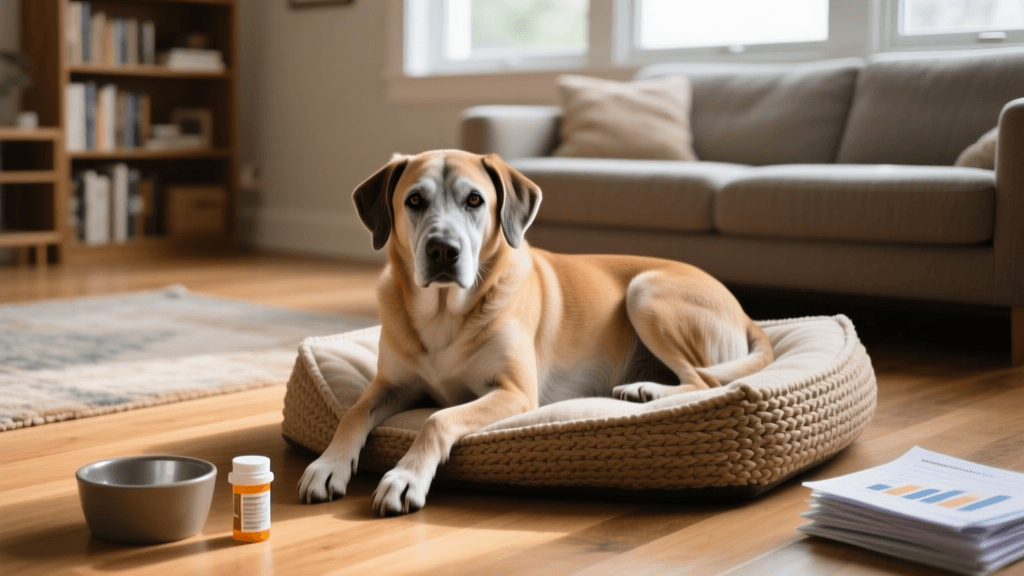
Often misunderstood as hyperactive racing dogs, Greyhounds are famously known in the rescue community as '45-mph couch potatoes.' Once they reach adulthood, their energy levels drop significantly, and they become masters of the nap. A Greyhound will happily sleep on a plush orthopedic bed next to your desk for the entirety of your workday. They are incredibly quiet, rarely barking without a severe reason, making them the ultimate stealth co-workers. They do require a secure, fenced yard for a quick morning sprint, but their indoor demeanor is exceptionally calm.
2. Basset Hound
If your ideal workday involves a dog that is more piece of furniture than active participant, the Basset Hound is a top contender. Known for their laid-back, sometimes stubborn nature, Bassets are perfectly content to snooze the day away. They are generally quiet indoors, though they can have a loud, booming bark if provoked. Their low energy levels mean they won't interrupt your Zoom calls with demands to play fetch. Just be prepared for a bit of snoring during your quiet reading blocks!
3. Shiba Inu
For the remote worker who appreciates a more independent, cat-like companion, the Shiba Inu is an excellent choice. Shibas are notoriously clean, quiet, and self-sufficient. They do not typically suffer from the severe separation anxiety that plagues many companion breeds when you step away to grab lunch. However, they require early socialization and consistent training. They are not 'velcro dogs' and will likely choose to observe you from across the room rather than sit on your lap, which is perfect for professionals who need physical space while typing.
4. Cavalier King Charles Spaniel
If you want a dog that is affectionate but not overly demanding of intense physical exercise, the Cavalier King Charles Spaniel is a superb option. They are gentle, eager to please, and highly adaptable to their owner's schedule. While they love a good walk, they are equally happy curling up on a blanket under your desk. The American Kennel Club (AKC) frequently highlights the Cavalier's sweet, non-aggressive temperament, making them highly unlikely to bark aggressively at the mail carrier, thus saving you from awkward meeting interruptions.
5. Standard Poodle
While Poodles are highly intelligent and energetic, the Standard Poodle is remarkably dignified and calm indoors compared to their smaller, more neurotic Toy counterparts. Their high intelligence makes them incredibly easy to train for home office etiquette. You can easily teach a Standard Poodle the 'place' command, instructing them to stay on their mat until released. They are also hypoallergenic, which is a massive bonus for remote workers who share their home office with family members or clients who visit occasionally.
WFH Dog Breed Comparison Chart
| Breed | Energy Level | Vocalization | Best WFH Trait |
|---|---|---|---|
| Greyhound | Low (Indoors) | Very Low | Extreme couch-potato tendencies |
| Basset Hound | Very Low | Low (Indoors) | Unbothered by household noise |
| Shiba Inu | Moderate | Low | Highly independent and clean |
| Cavalier King Charles | Low to Moderate | Low | Affectionate but quiet lap-warmer |
| Standard Poodle | Moderate | Low to Moderate | Highly trainable for 'place' command |
Essential 2026 Home Office Gear for Your Dog
Even the most well-behaved dog needs environmental enrichment to stay quiet and content while you work. In 2026, pet tech and ergonomic dog furniture have advanced to seamlessly blend into modern home office aesthetics.
- AI-Driven Treat Cameras: Devices like the latest Furbo 360 models now feature AI behavior tracking. If the camera detects your dog pacing or whining while you are in a virtual meeting, it can automatically dispense a treat or alert your smartwatch, allowing you to intervene before a full-blown barking fit occurs.
- Orthopedic Desk Beds: Brands like Big Barker have introduced 'under-desk' specific orthopedic beds in 2026. These feature low-profile, high-density foam that slides perfectly beneath standard 29-inch standing desks, giving your dog a dedicated, comfortable zone out of your foot traffic path.
- Smart Interactive Puzzles: To keep your dog's brain engaged without requiring your direct participation, smart puzzle feeders that release kibble at randomized intervals are invaluable. They provide mental stimulation that tires the dog out just as effectively as a physical walk.
- Long-Lasting Chews: Keep a stash of yak cheese chews or coffee-wood chew sticks in your desk drawer. Handing your dog a long-lasting chew five minutes before an important client call is a proven strategy to ensure absolute silence.
Training Your Dog for the Home Office
Selecting the right breed is only half the battle; training is the other. Remote workers must proactively train their dogs to respect the boundaries of the home office.
Mastering the 'Place' Command
The 'place' command is the cornerstone of WFH dog training. Unlike 'stay,' which requires the dog to freeze in an uncomfortable position, 'place' directs the dog to a specific mat or bed where they can lie down, stretch, and sleep comfortably. Start by luring your dog onto their bed with a high-value treat, saying 'place,' and rewarding them. Gradually increase the duration they must stay on the bed while you sit at your desk. Over time, the bed becomes a cue for relaxation.
Desensitization to Office Sounds
Nothing ruins a professional moment like a dog barking at the sound of a Zoom notification or a ringing doorbell. You must desensitize your dog to these triggers. Record the sounds of your specific video conferencing software, doorbells, and delivery notifications. Play these sounds at a very low volume while feeding your dog treats or engaging in play. Gradually increase the volume over several weeks until your dog associates the 'ping' of an incoming email with positive outcomes rather than an alert to defend the territory.
Structuring Your Remote Work Day with a Dog
A predictable routine is vital for your dog's mental health and your productivity. Dogs thrive on knowing what comes next. Here is a sample 2026 WFH schedule optimized for a moderate-energy breed:
- 7:00 AM - The 'Fake Commute' Walk: Take a brisk 30-minute walk before logging on. This mimics the transition of a commute and burns off morning energy.
- 8:30 AM - Breakfast & Puzzle Time: Feed your dog using a snuffle mat or puzzle feeder while you tackle your morning emails.
- 10:30 AM - Morning Screen Break: Step away from the monitor for a 10-minute backyard play session or training drill.
- 12:30 PM - Lunch & Midday Potty: A quick leash walk followed by a long-lasting chew while you eat and catch up on industry news.
- 3:00 PM - Afternoon Enrichment: Provide a frozen Kong or interactive toy during your afternoon deep-work block to prevent boredom-induced whining.
- 5:30 PM - End of Day Transition: Close the laptop, put away the desk toys, and go for an evening walk to signal that the workday is officially over.
Conclusion
Sharing your home office with a dog in 2026 is one of the greatest perks of the remote work revolution, provided you set yourself up for success. By choosing a breed that naturally aligns with the quiet, focused demands of a home office—like the Greyhound, Basset Hound, or Cavalier King Charles Spaniel—and investing in proper training and modern enrichment gear, you can enjoy the best of both worlds. You will maintain your professional edge on video calls while enjoying the unparalleled, stress-reducing companionship of a loyal canine friend right by your side.
aaron-whyte
All our authors care for dogs every day — read more of their work on the authors page.