Top 7 Quiet Dog Breeds for Apartments in 2026 Reviewed
Discover the top quiet dog breeds for apartments in 2026. Learn which low-bark, small-space-friendly dogs are perfect for city living and close neighbors.
The Rise of Urban Canine Living in 2026
As urban centers continue to densify in 2026, apartment living has become the primary housing choice for millions of dog owners. However, sharing walls, floors, and ceilings with neighbors means that a vocal dog can quickly become a liability. Strict noise ordinances and updated pet policies in modern apartment complexes have made the demand for quiet, adaptable dog breeds higher than ever. Finding the right companion means looking beyond just size; energy levels, temperament, and natural vocalization tendencies are critical factors for maintaining harmony in close-quarters living.
Whether you are residing in a high-rise condo or a compact studio, selecting a breed that naturally leans toward tranquility will save you from neighbor disputes and noise complaints. According to the American Kennel Club (AKC), the best apartment dogs are those that can comfortably adapt to indoor living without requiring vast acreage to roam, and more importantly, those that are not prone to excessive barking at every passing sound.
Top 7 Quiet Dog Breeds for Apartments
1. Basenji
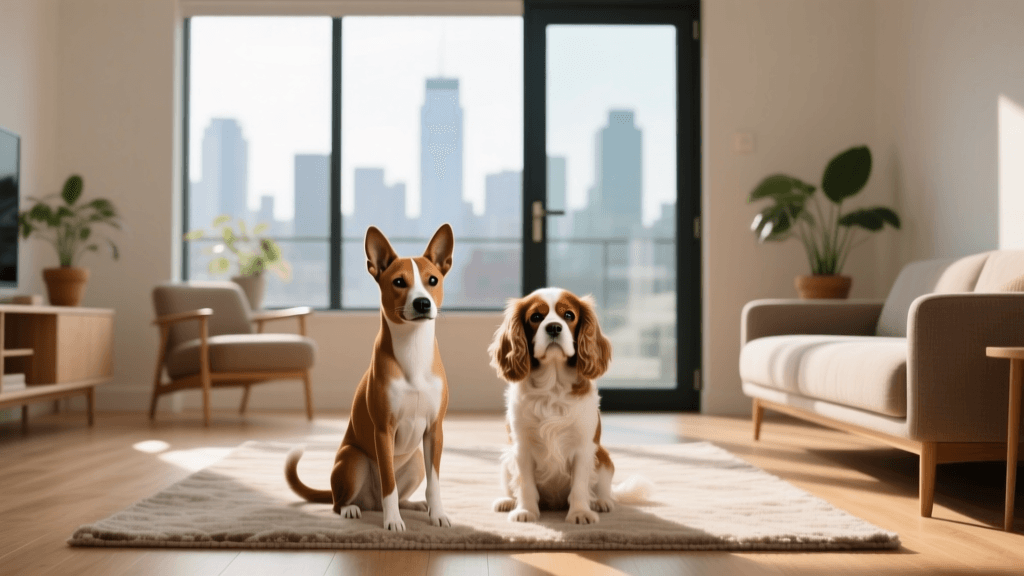
Famously known as the "barkless dog," the Basenji is an ancient African breed that is uniquely suited for apartment living. Instead of a traditional bark, Basenjis communicate through a unique yodel or "baroo" sound, which is rarely loud enough to penetrate apartment walls. They are fastidiously clean, often grooming themselves like cats, which makes them excellent indoor companions. However, their quiet nature does not mean they are low-energy. In 2026, canine behaviorists emphasize that Basenjis require robust daily mental stimulation and physical exercise to prevent destructive boredom. A daily trip to a secure dog park or engaging in indoor agility and scent-work games is essential for this intelligent breed.
2. Cavalier King Charles Spaniel
The Cavalier King Charles Spaniel is the quintessential lap dog, renowned for its gentle, affectionate, and remarkably quiet demeanor. They are highly adaptable and tend to mirror their owner's energy levels. If you are a homebody who enjoys quiet evenings on the couch, your Cavalier will happily oblige. They rarely bark without a genuine reason, making them poor guard dogs but exceptional apartment neighbors. Regular, moderate walks are sufficient to keep them healthy, and their small size makes them perfectly suited for compact living spaces. Just be sure to keep up with their ear cleaning and coat brushing routines to maintain their health in indoor environments.
3. Greyhound
It often surprises new dog owners that the Greyhound—a breed capable of reaching speeds up to 45 miles per hour—is one of the best apartment dogs available. Often dubbed "45-mph couch potatoes," retired racing Greyhounds and standard Greyhounds are sprinters, not marathon runners. Once they have had a brief, vigorous daily walk or a chance to sprint in a fenced area, they are more than content to sleep on a plush orthopedic bed for up to 18 hours a day. They are inherently quiet, gentle, and rarely bark, making them ideal for quiet residential buildings. In 2026, many urban adoption agencies specifically promote retired Greyhounds to apartment dwellers due to their calm indoor temperament.
4. Shiba Inu
The Shiba Inu is a small, agile Japanese breed known for its cat-like independence and cleanliness. They are naturally quiet dogs that rarely bark out of boredom or separation anxiety. However, prospective owners should be aware of the infamous "Shiba scream"—a loud, high-pitched vocalization they may emit when highly stressed or unhappy (such as at the vet or groomer). In the home environment, though, they are typically stoic and quiet. Shibas require secure leash walking, as their high prey drive means they cannot be trusted off-leash in unfenced urban areas. Their compact size and quiet nature make them excellent city dogs for experienced owners who appreciate a more independent companion.
5. Bolognese
A rare but magnificent choice for apartment living, the Bolognese is a small Italian companion dog that thrives on human company. They are exceptionally quiet, deeply devoted, and possess a low-shedding coat, which is a bonus for keeping apartment air quality high. Unlike some high-strung small breeds, the Bolognese is known for a calm, serious, and docile temperament. They do not require intense physical exertion; a couple of short neighborhood walks and indoor play sessions are plenty to keep them satisfied. Their primary need is companionship, as they can develop separation anxiety if left alone in an apartment for long workdays without proper enrichment.
6. Japanese Chin
The Japanese Chin is an ancient aristocratic breed that was literally bred to be a quiet, ornamental companion. They are incredibly calm, quiet, and adaptable to small spaces. With their short muzzles and low exercise requirements, they are perfectly content living entirely indoors, provided they receive daily affection and short, leisurely strolls. Because of their brachycephalic (flat-faced) structure, it is vital in 2026 to monitor their indoor climate, ensuring your apartment's air conditioning and humidity levels are optimized to prevent respiratory distress during warmer months. They are deeply attuned to their owners' emotions and provide a soothing, silent presence in any home.
7. Scottish Deerhound
If you prefer a larger dog but live in an apartment, the Scottish Deerhound is a spectacular, albeit surprising, choice. Despite their massive size, they are famously gentle, quiet, and lazy indoors. They are sighthounds, meaning they share the Greyhound's tendency to sleep the day away after a good run. They rarely bark and are generally polite with neighbors in hallways and elevators. The caveat is that you must have access to a safe, enclosed area nearby where they can stretch their long legs for a daily gallop. Once that exercise need is met, they become massive, quiet rugs that take up space on your sofa but none of your auditory peace.
Breed Comparison Chart
| Breed | Size | Energy Level | Bark Level | Grooming Needs |
|---|---|---|---|---|
| Basenji | Medium (22-24 lbs) | High | Very Low (Yodels) | Low |
| Cavalier King Charles | Small (12-18 lbs) | Moderate | Low | Moderate |
| Greyhound | Large (60-70 lbs) | Low (Indoors) | Very Low | Low |
| Shiba Inu | Small/Med (17-23 lbs) | Moderate/High | Low | Moderate (Shedding) |
| Bolognese | Small (5-9 lbs) | Low | Very Low | High |
| Japanese Chin | Small (7-11 lbs) | Low | Very Low | Moderate |
| Scottish Deerhound | Giant (75-110 lbs) | Low (Indoors) | Very Low | Low/Moderate |
Essential 2026 Apartment Gear for Quiet Dogs
Even the quietest breeds need environmental enrichment to prevent anxiety-induced vocalizations. In 2026, the pet tech market has produced incredible tools specifically designed for apartment dwellers:
- Smart Puzzle Feeders: Devices like the latest automated snuffle-mats and app-controlled treat dispensers keep dogs mentally engaged while you are at work, preventing the boredom that leads to whining or scratching.
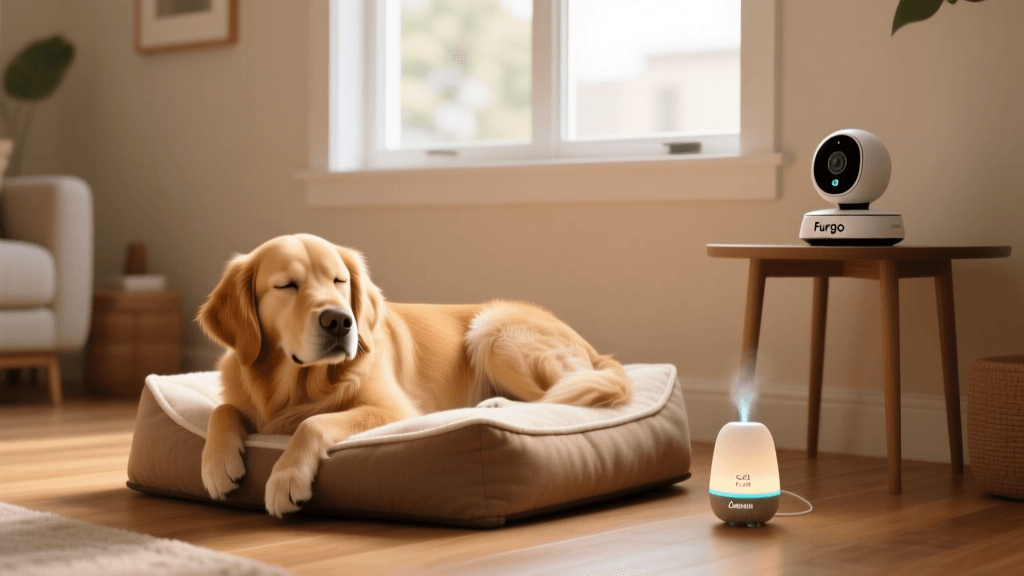
- Sound-Dampening Dog Beds: Modern orthopedic beds now feature acoustic-dampening bases and raised bolsters that create a "den" effect, helping dogs feel secure and reducing their reaction to hallway noises.
- White Noise Machines for Pets: Specifically calibrated to mask the frequencies of human speech and footsteps, these machines are invaluable for masking the sounds of noisy neighbors, keeping your dog in a restful state.
- Vocalization Monitoring Collars: Unlike outdated shock collars, 2026's smart collars use AI to track your dog's stress levels and vocalizations, sending you an alert if your dog is pacing or whining, allowing you to check in via two-way audio cameras to soothe them.
Managing Barking and Noise in Close Quarters
While genetics play a massive role in a dog's tendency to bark, environment and training are equally important. According to the ASPCA, excessive barking is often a symptom of unmet physical or mental needs, or a response to environmental triggers. For apartment dwellers, managing visual and auditory triggers is paramount.
Start by soundproofing your space where possible. Thick, plush area rugs not only protect your flooring but also absorb echoes and muffle the sound of your dog's claws, which is a major complaint from downstairs neighbors. Window treatments, such as heavy blackout curtains or frosted privacy film, can block your dog's view of street-level triggers like passing cars, delivery drivers, or other dogs, significantly reducing alert barking.
Furthermore, establishing a consistent routine helps dogs feel secure. The Humane Society of the United States notes that dogs acclimate best when they can predict their daily schedule. Consistent feeding times, predictable potty breaks, and structured play sessions reduce the ambient anxiety that often manifests as nuisance barking in confined spaces.
Conclusion
Living in an apartment in 2026 does not mean you must sacrifice the joy of dog ownership. By selecting a breed that naturally aligns with a quiet, indoor lifestyle—such as the Basenji, Cavalier, or Greyhound—and utilizing modern smart-home pet gear, you can create a harmonious environment for yourself, your dog, and your neighbors. Remember that a quiet dog is a content dog, and providing mental enrichment, structured exercise, and a secure indoor sanctuary is the key to thriving in urban canine living.
marcus-aldridge
All our authors care for dogs every day — read more of their work on the authors page.