Top Puzzle Toys to Satisfy Your Dog's Foraging Instincts
Discover how canine foraging instincts drive behavior. Read our buyer's guide to the best puzzle toys, snuffle mats, and feeders for mental enrichment.

The Psychology Behind the Sniff: Understanding Canine Foraging
To truly understand your dog, you must look past their domesticated exterior and recognize the ancient instincts that drive their daily behavior. One of the most powerful of these is the foraging instinct. In the wild, canines spend up to 80% of their waking hours scavenging, hunting, and working for their food. This intricate process provides immense mental stimulation and triggers a steady release of dopamine, the brain's reward chemical.
When we serve modern domestic dogs their meals in a stainless steel bowl, they consume their daily caloric intake in under sixty seconds. This sudden deprivation of their natural foraging sequence often leads to boredom, frustration, and subsequent behavioral issues such as destructive chewing, excessive barking, and separation anxiety. According to the American Kennel Club, incorporating mental stimulation through brain games and food puzzles is just as critical as physical exercise for maintaining a balanced, happy dog.
This buyer's guide bridges the gap between canine psychology and practical product solutions, helping you select the right enrichment tools to satisfy your dog's innate need to work for their food.
Breed-Specific Instincts: Matching the Toy to the Dog
Not all dogs interact with food puzzles in the same way. A dog's breed heritage heavily influences how they approach problem-solving and foraging:
- Scent Hounds (Beagles, Bloodhounds): Driven by olfactory input. They thrive on snuffle mats and hidden food games that require deep nasal investigation rather than complex mechanical manipulation.
- Terriers (Jack Russells, Rat Terriers): Bred to dig and destroy prey. They prefer durable, chew-resistant dispensers that can withstand aggressive pawing and biting.
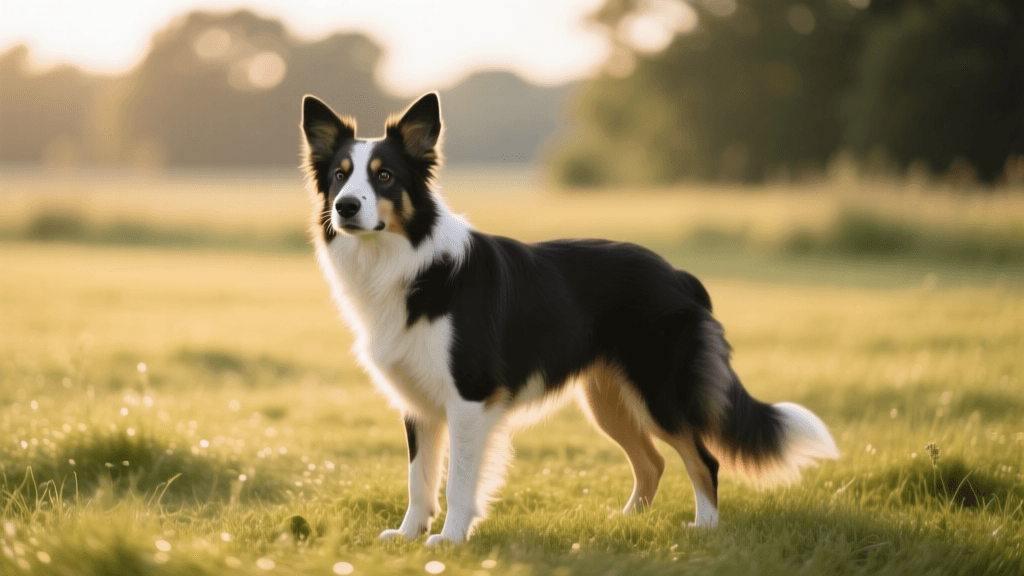
- Herding Breeds (Border Collies, Shepherds): Highly intelligent problem-solvers who excel at complex, multi-step puzzle boards with sliders, levers, and locking mechanisms.
Buyer’s Guide: Top Enrichment Tools by Cognitive Level
When introducing food puzzles, it is vital to start at your dog's cognitive baseline to prevent frustration. Below is a curated review of the best products categorized by difficulty level.
Level 1: Snuffle Mats and Lick Mats (The Beginners)
Best For: Puppies, senior dogs, anxious dogs, and scent hounds.
Top Product Pick: The Wooly Snuffle Mat ($35 - $45) or Hyper Pet IQ Treat Mat ($12 - $18).
Snuffle mats mimic the act of foraging in tall grass. The Wooly mat features dozens of fleece strips (measuring 2 to 3 inches in length) where you can bury dry kibble. For anxious dogs, lick mats are superior. Spreading wet food, peanut butter (xylitol-free), or plain yogurt onto the textured silicone surface of a Hyper Pet IQ Mat encourages repetitive licking, a behavior scientifically proven to lower a dog's heart rate and release endorphins. Pro Tip: Freeze the lick mat for 30 minutes to extend the activity time from 5 minutes to over 20 minutes.
Level 2: Interactive Treat Dispensers (The Intermediate)
Best For: High-energy dogs, fast eaters, and terriers.
Top Product Pick: KONG Classic Red Rubber ($12 - $20) or Outward Hound Bob-A-Lot ($15 - $22).
These toys require physical manipulation. The KONG Classic is a staple; its unpredictable bounce satisfies the prey-chase instinct, while the hollow center can be packed with a mixture of kibble and low-sodium chicken broth, then frozen solid. The Bob-A-Lot features an adjustable dispensing hole (ranging from 0.5 inches to 1.25 inches). You can fill it with up to 3 cups of dry food, turning a standard mealtime into a 30-minute physical workout as the dog nudges and paws the weighted base.
Level 3: Complex Puzzle Boards (The Geniuses)
Best For: Working breeds, highly intelligent dogs, and experienced puzzle solvers.
Top Product Pick: Nina Ottosson Dog Tornado ($20 - $30) or Outward Hound Hide-A-Squirrel ($15 - $25).
The Dog Tornado features multiple rotating tiers and bone-shaped locking blocks. The dog must learn to slide, lift, and spin components in a specific sequence to reveal hidden treats. This requires advanced cognitive mapping and immense focus. The Humane Society of the United States notes that these advanced interactive toys are excellent for curbing destructive behaviors born from under-stimulation, provided the owner is present to guide the dog through the initial learning curve.
Comparison Chart: Top Enrichment Tools
| Product Type | Difficulty | Best Breed Match | Activity Time | Avg. Cost |
|---|---|---|---|---|
| Snuffle / Lick Mats | Beginner | Hounds, Anxious Dogs | 10 - 25 mins | $12 - $45 |
| KONG / Bob-A-Lot | Intermediate | Terriers, Retrievers | 15 - 40 mins | $12 - $22 |
| Nina Ottosson Boards | Advanced | Herders, Working Breeds | 5 - 15 mins | $20 - $30 |
Actionable Advice: Implementation and Caloric Management
A common mistake owners make when introducing food puzzles is overfeeding. The Fear Free Pets initiative emphasizes that enrichment should replace, not add to, your dog's daily caloric intake.
- Measure Daily Intake: Calculate your dog's required daily calories. Measure out their entire daily kibble allowance into a dedicated "puzzle jar" each morning.
- Subtract Treat Calories: If you use high-value treats (like freeze-dried liver or cheese) to lure them through a complex puzzle, ensure those treats make up no more than 10% of their daily caloric limit. Cut treats into pea-sized pieces (approx. 0.25 inches) to maximize the number of rewards without spiking calorie counts.
- Timing is Everything: Use puzzle toys during high-stress transition periods. For example, handing a dog a frozen KONG exactly 5 minutes before you leave for work creates a positive association with your departure and mitigates separation anxiety.
Troubleshooting Frustration and Safety Protocols
Understanding your dog also means recognizing their stress signals. If your dog begins to aggressively bite the plastic, bark at the toy, or walk away and whine, they are experiencing "puzzle frustration." This means the cognitive leap was too vast.
How to Fix It: Immediately downgrade the difficulty. If a slider puzzle is too hard, remove the locking bones and leave the treats partially exposed. Show the dog how the pieces move by sliding them with your own hand. Praise heavily when they interact with the toy gently.
Safety and Maintenance: Always supervise your dog with new puzzle toys, especially if they are heavy chewers who might break off and ingest plastic sliders. Clean food puzzles thoroughly after every use. Snuffle mats can be shaken out and machine-washed on a gentle cycle, while hard plastic dispensers should be washed in warm, soapy water or placed on the top rack of a dishwasher to prevent the buildup of saliva and bacteria. By respecting your dog's natural foraging psychology and providing the right tools, you transform a mundane daily chore into a deeply fulfilling cognitive experience.
beth-carrasco
All our authors care for dogs every day — read more of their work on the authors page.