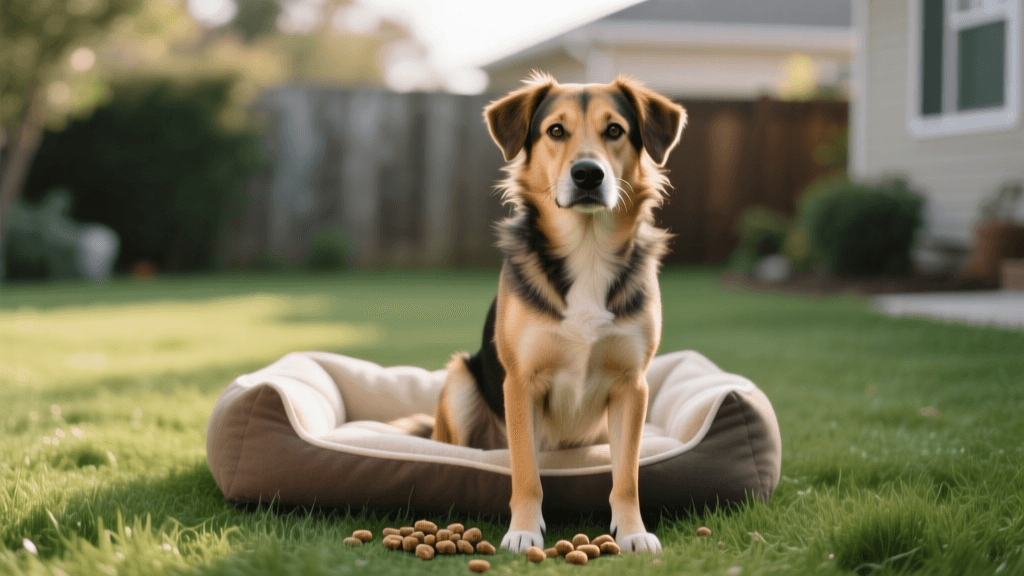
Apartment Dog Fitness: Indoor Enrichment to Prevent Obesity
Discover actionable indoor exercise and mental enrichment strategies to keep your apartment dog fit, prevent obesity, and manage joint health effectively.
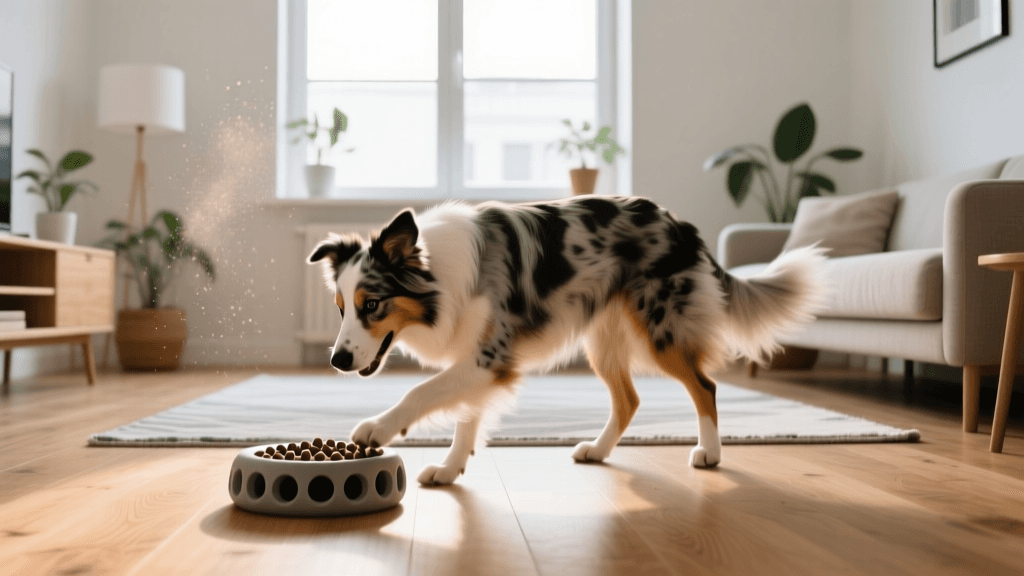
The Hidden Risk: Obesity in Apartment Dogs
Urban living offers incredible experiences for both humans and their canine companions, but it also presents unique health challenges. One of the most pressing issues for apartment-dwelling dogs is the lack of 'incidental exercise.' Unlike dogs with access to a fenced backyard who can spontaneously sprint, patrol, and play throughout the day, apartment dogs are largely sedentary until their owners actively initiate movement. This confined lifestyle drastically increases the risk of canine obesity, a condition that exacerbates joint pain, cardiovascular disease, and metabolic disorders.
According to veterinary nutritionists, managing an apartment dog's weight requires a proactive, multi-layered approach that combines controlled caloric intake with high-yield indoor physical and mental enrichment. Without a yard to burn off energy, urban pet parents must become creative architects of their dog's daily fitness routines.
Calculating Caloric Needs for Low-Activity Urban Dogs
Before implementing an indoor exercise regimen, it is crucial to understand your dog's baseline caloric needs. Overfeeding is the primary driver of obesity in low-activity apartment dogs. To determine the correct daily caloric intake, veterinarians use the Resting Energy Requirement (RER) formula. The basic calculation is: 70 x (body weight in kg)^0.75.
Once you have the RER, you multiply it by a lifestyle factor. For a typical, low-activity apartment dog, the multiplier is usually 1.2 to 1.4. For example, a 30-pound (13.6 kg) apartment dog has an RER of roughly 558 calories. Multiplied by 1.2, their daily maintenance requirement is approximately 670 calories. As experts at Tufts University Cummings Veterinary Medical Center emphasize, even an extra 20 calories a day—equivalent to just two small training treats—can lead to significant weight gain over a year if the dog is not getting adequate outdoor walking. Always measure your dog's kibble using a standard measuring cup or a digital kitchen scale to ensure precision.
Top Indoor Exercise Solutions for Small Spaces
When outdoor walks are limited by extreme weather, work schedules, or urban safety concerns, indoor exercise equipment becomes a vital component of your dog's health plan. Here are three highly effective, space-saving solutions:
1. The Flirt Pole: High-Intensity Interval Training
A flirt pole is essentially a giant cat wand for dogs, consisting of a long pole with a bungee cord and a lure toy attached. It is phenomenal for burning energy in a living room or hallway.
- Recommended Product: Outward Hound Tail Teazer Flirt Pole (Cost: ~$20).
- Measurements & Space: The small version is 28 inches long and requires a clear floor space of about 8x8 feet.
- Timing: Keep sessions short—5 to 10 minutes maximum—to prevent overheating and joint strain.
- Safety Rules: Always keep the lure low to the ground to prevent your dog from leaping and landing awkwardly, which can cause ACL tears. Incorporate obedience by asking your dog to 'sit' or 'drop it' every few minutes to practice impulse control.
2. Dog Treadmills: Consistent Cardio
For high-energy breeds trapped in small apartments, a dog-specific treadmill can be a lifesaver. Unlike human treadmills, dog treadmills feature wider tracks, side enclosures, and slower speed settings.
- Recommended Product: dogPACER LF 3.1 (Cost: ~$700).
- Measurements & Space: Requires a footprint of roughly 4x2 feet. It folds for storage under a bed or in a closet.
- Training Protocol: Never force your dog onto the belt. Start with the machine off, rewarding them for standing on it. Next, turn it on to the lowest speed (0.5 mph) while holding their leash and offering high-value treats like boiled chicken. Gradually increase the speed to a brisk walk (2.5 to 3.5 mph) over several weeks.
- Timing: Aim for 15 to 20 minutes of continuous walking, 3 to 4 times a week.
3. Snuffle Mats and Puzzle Feeders: Mental Calorie Burn
Mental stimulation tires a dog out just as effectively as physical exercise. Sniffing lowers a dog's heart rate and engages their primary sensory system. As noted in behavioral guides by the American Kennel Club, indoor scent work and puzzle solving are excellent alternatives to physical exertion.
- Recommended Products: Wooly Snuffle Mat (Cost: ~$45) and Nina Ottosson Dog Brick Puzzle (Cost: ~$15).
- Implementation: Instead of feeding breakfast in a bowl, scatter the kibble through the deep fleece strips of the snuffle mat. For the puzzle toy, use a mixture of plain Greek yogurt, mashed pumpkin, and blueberries, then freeze it for two hours to increase the difficulty and duration of the activity.
Indoor Activity vs. Calorie Burn Comparison
Understanding the energy expenditure of different indoor activities helps you tailor your apartment dog's routine. The table below estimates the calorie burn for a 30-pound dog based on a 15-minute session.
| Indoor Activity | Intensity Level | Est. Calorie Burn (15 mins) | Space Required | Equipment Cost |
|---|---|---|---|---|
| Flirt Pole Play | High (Anaerobic) | 45 - 60 kcal | 8x8 ft minimum | ~$20 |
| Dog Treadmill Walk | Medium (Aerobic) | 25 - 35 kcal | 4x2 ft (machine) | ~$700 |
| Snuffle Mat Foraging | Low (Mental) | 5 - 10 kcal | 2x2 ft | ~$45 |
| Hide and Seek | Medium (Mixed) | 20 - 30 kcal | Multi-room | $0 |
Protecting Joints on Hard Apartment Floors
A frequently overlooked aspect of apartment dog health is the impact of hard flooring. Laminate, hardwood, and tile floors common in urban high-rises provide zero traction and shock absorption. Over time, the constant slipping and micro-adjustments dogs make to stay upright can lead to severe hip dysplasia, knee injuries, and chronic joint inflammation.
To mitigate this, invest in interlocking foam floor mats or low-pile, non-slip area rugs for the primary pathways your dog uses to navigate the apartment. For older dogs or breeds prone to joint issues (like French Bulldogs or Dachshunds), consider canine joint supplements. Products like Dasuquin with MSM (Cost: ~$60 for a 60-count bottle) provide glucosamine and chondroitin to support cartilage health. Additionally, keep your dog's nails trimmed and the hair between their paw pads clipped short every two weeks to maximize natural grip on slick surfaces.
Creating a Sustainable Urban Routine
Consistency is the cornerstone of urban canine health. A sample weekday schedule for an apartment dog might look like this:
- 7:00 AM: 20-minute outdoor brisk walk (potty and sniffing).
- 8:00 AM: Breakfast served via a frozen Kong or Snuffle Mat while the owner works.
- 1:00 PM: 10-minute indoor flirt pole session during the owner's lunch break.
- 6:00 PM: 30-minute outdoor decompression walk in a local park.
- 8:00 PM: 15-minute treadmill walk or indoor hide-and-seek game.
By combining structured physical exercise with cognitively demanding enrichment, you can effectively neutralize the spatial limitations of apartment living. For more comprehensive strategies on keeping your pet engaged indoors, resources from the Humane Society of the United States offer excellent foundational advice on adapting exercise routines to your specific living situation. Ultimately, an apartment dog's health relies entirely on the intentionality of their owner. With the right tools, precise nutritional management, and a commitment to daily enrichment, your urban dog can thrive, maintain a healthy weight, and enjoy a vibrant, active life within the city limits.
tom-renshaw
All our authors care for dogs every day — read more of their work on the authors page.