Choosing an Agility Puppy in 2026: Temperament Testing Guide
Discover how to select the perfect puppy for agility and dog sports in 2026 using temperament testing, breeder checklists, and trait evaluations.
Bringing Home a Future Champion: The Sports Dog Selection Process
Bringing a new dog into your life is always a monumental decision, but when your goal is to compete in dog sports, the stakes are significantly higher. As we navigate the competitive landscape in 2026, the world of canine athletics has become more accessible and popular than ever. Whether you are eyeing the fast-paced jumps of agility, the precision of competitive obedience, or the high-speed thrills of Flyball, the foundation of your success is laid before you even bring your puppy home. Getting a dog specifically for sports requires a shift in perspective. You are not just looking for a beloved family companion; you are evaluating a future athlete. This guide will walk you through the essential steps of selecting, testing, and preparing a puppy for a life of dog sports, ensuring you make an informed, confident choice.
Beyond the Breed: Why Individual Temperament Matters
Many first-time sports handlers make the mistake of assuming that picking the right breed guarantees a successful competition dog. While it is true that Border Collies, Belgian Malinois, and sporting breeds like Golden Retrievers dominate the leaderboards, genetics only provide the blueprint. Individual temperament is the engine that drives the dog. In 2026, advanced DNA testing and comprehensive health screenings from companies like Embark and the Orthopedic Foundation for Animals (OFA) are standard practices among reputable breeders. These tools are invaluable for ruling out hereditary conditions like hip dysplasia or exercise-induced collapse. However, no DNA test can measure a puppy's "heart," biddability, or environmental stability. A structurally sound puppy with poor nerve strength will struggle on an agility course, just as a physically imperfect puppy with immense drive might push through but risk injury. Therefore, hands-on temperament evaluation remains the gold standard for sports dog selection.
The Volhard Puppy Aptitude Test (PAT) for Sports
To objectively measure a puppy's potential, handlers and breeders frequently rely on the Volhard Puppy Aptitude Test (PAT). Conducted ideally at 49 days of age, this standardized test evaluates ten distinct behavioral traits. When getting a dog for sports, you must interpret these scores through a specific lens. A puppy that scores as a perfect, docile family pet might lack the necessary drive for competitive sports.
Key PAT Metrics for the Sports Handler
- Social Attraction and Following: You want a puppy that is confident and willing to engage with humans, but not overly dependent. A puppy that follows willingly shows biddability, a crucial trait for obedience and handling.
- Retrieving (Prey Drive): This is arguably the most critical metric for agility and Flyball. A puppy that eagerly chases a tossed crumpled paper or toy and brings it back demonstrates high prey drive and a natural inclination to work for rewards.
- Sound Sensitivity and Stability: A sudden loud noise (like an umbrella opening or a dropped pan) will startle most puppies. The key is the recovery time. A future sports dog must startle, investigate, and recover quickly. A puppy that cowers or panics is a major red flag for noisy competition venues.
- Energy Level: While high energy is desired, it must be channeled. A puppy that is frantically biting and unable to settle may be difficult to train, whereas a puppy that plays hard and then rests shows excellent neurological balance.
Matching Puppy Profiles to Specific Dog Sports
Not all sports require the exact same temperament profile. Understanding the nuances of your chosen discipline will help you select the right individual from the litter. Below is a comparison chart to help you align puppy traits with specific canine sports.
| Sport | Key Physical Trait | Key Temperament Trait | Selection Red Flags |
|---|---|---|---|
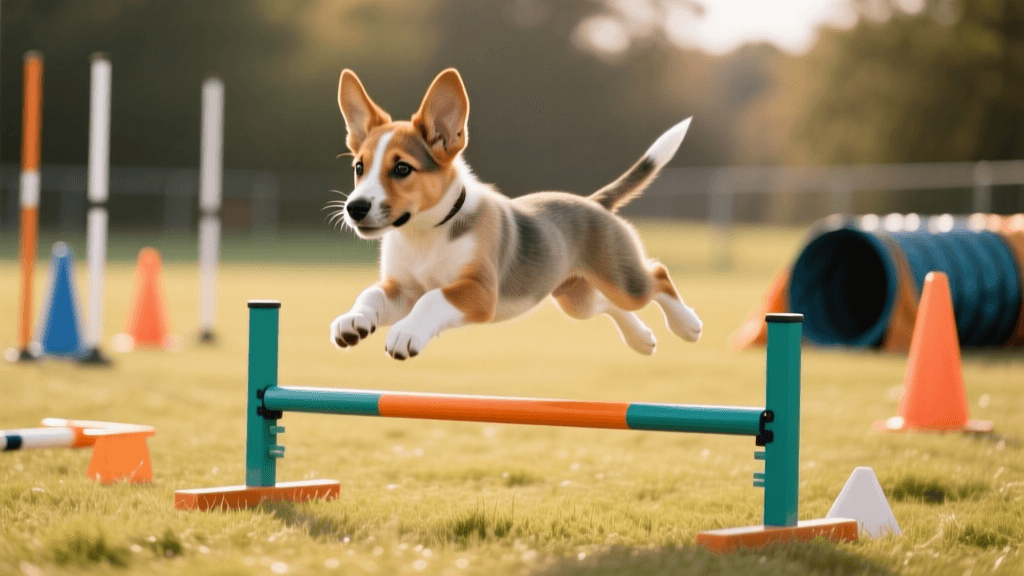
| Agility | Light, athletic build, strong pasterns | High prey drive, environmental confidence, quick recovery | Sound sensitivity, hesitation on novel surfaces, low toy drive |
| Obedience | Balanced structure, endurance | High biddability, focus, tolerance for repetition | High independence, easily distracted, low food/toy motivation |
| Scent Work | Good stamina, strong neck/shoulders | High hunt drive, independence, problem-solving persistence | Over-reliance on handler, easily frustrated, high visual distraction |
| Flyball | Explosive speed, sturdy joints | Extreme toy drive, high arousal tolerance, dog-friendly | Resource guarding, dog aggression, inability to settle in crates |
The 2026 Breeder Interview Checklist
When getting a dog for competition, your relationship with the breeder is paramount. A reputable sports breeder will be your first coach and lifelong mentor. According to the American Kennel Club (AKC) Dog Sports Directory, engaging with breeders who actively compete in their chosen sports is one of the best ways to ensure you are getting a puppy from proven working lines. When interviewing a breeder, ask these specific questions:
- What are the parents' competition titles? Look for advanced titles (e.g., MACH in agility, OTCH in obedience) rather than just novice qualifications.
- Can I see the OFA and DNA health clearances? Ensure both parents are cleared for hips, elbows, eyes, and breed-specific genetic markers.
- What is your early socialization protocol? Top breeders in 2026 utilize programs like Puppy Culture or Avidog, which introduce neurological stimulation, novel surfaces, and problem-solving games from day three.
- How do you evaluate drive and structure? A good breeder will stack the puppies on a table to assess angulation and will use toys to test prey drive and grip.
Expert Tip: Never buy a puppy from a litter where the breeder cannot confidently tell you which puppy is best suited for sports and which is best suited for a couch-potato home. A breeder who says "they are all great for anything" is not evaluating their litter properly.
Preparing Your Home for a Future Athlete
Once you have selected your puppy, the preparation phase begins. The environment you create in the first 30 days will shape your dog's confidence for years to come. The American Veterinary Society of Animal Behavior (AVSAB) strongly emphasizes that early socialization is critical and should begin before the puppy is fully vaccinated, provided it is done in safe, controlled environments.
First-Day Essentials for the Sports Puppy
- Multi-Surface Mats: Purchase interlocking foam mats or artificial turf to introduce your puppy to the feeling of "gripping" a surface, mimicking agility equipment.
- A High-Quality Crate System: Sports dogs travel extensively. Invest in a crash-tested crate (such as a Gunner or Ruff Land) to build positive crate associations from day one, ensuring your dog views the crate as a relaxing sanctuary amidst chaotic trial environments.
- Enrichment and Confidence Tools: Wobble boards, inflatable peanut pods, and snuffle mats are essential. These tools build core strength, proprioception (body awareness), and mental stamina without putting undue stress on developing growth plates.
- High-Value Reward Systems: Stock up on premium training treats, tug toys with real sheepskin, and flirt poles. Building a massive reward history is the cornerstone of all dog sports training.
Conclusion: Patience and Partnership
Getting a dog with the intention of competing in sports is a deeply rewarding journey that requires patience, research, and a commitment to ongoing education. By utilizing structured temperament tests like the Volhard PAT, asking the right questions, and preparing your home for an active learner, you set the stage for a fulfilling partnership. Remember that in 2026, the most successful sports handlers are those who prioritize their dog's mental well-being and confidence just as much as their physical speed. Choose wisely, train fairly, and enjoy the incredible bond that only a shared passion for dog sports can forge.
robin-maitland
All our authors care for dogs every day — read more of their work on the authors page.